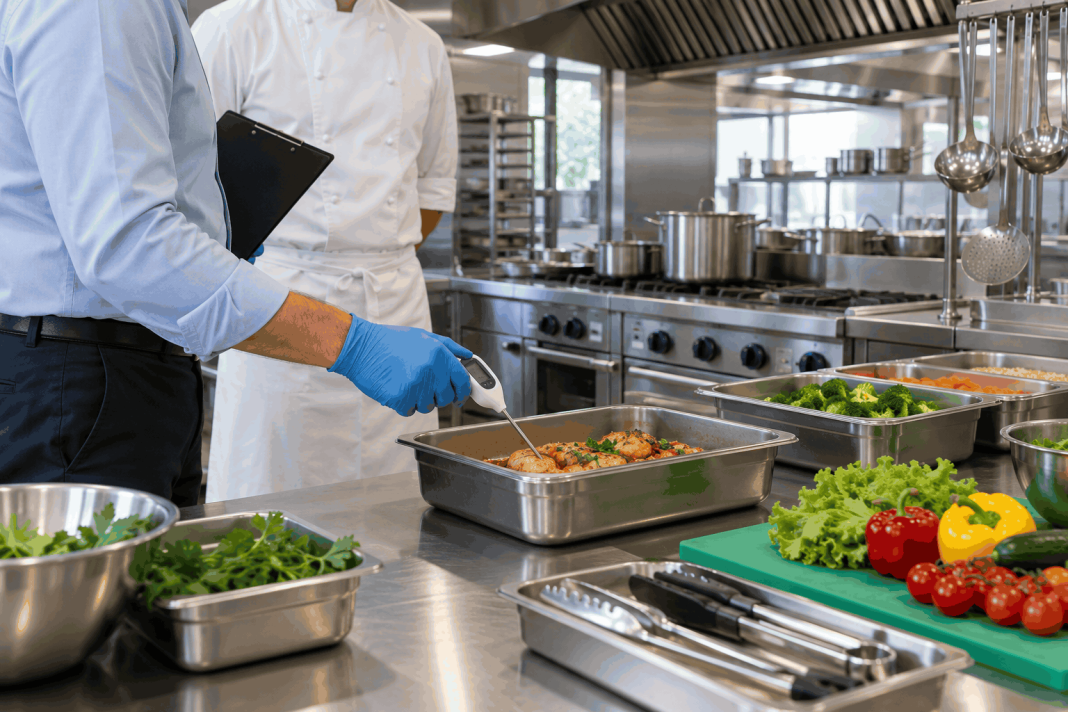
Food Hygiene Ratings: UK Safety Standards and Legal Action
Food Hygiene Ratings help people make informed choices before visiting restaurants, cafés, pubs, and takeaways. Customers expect clean kitchens, safe meals, and responsible food handling whenever they eat out. Understanding inspection results gives diners useful information while encouraging businesses to maintain better standards.
However, a welcoming dining room does not reveal everything happening behind kitchen doors. Safe storage, careful preparation, and proper cleaning matter just as much as friendly service. Local inspections examine these practices and help identify problems that customers might never see.
For restaurant owners, strong hygiene standards also support customer confidence. A good inspection result can reassure families choosing somewhere to eat. Meanwhile, poor standards can create extra costs, damage trust, and bring enforcement action.
Understanding Food Hygiene Ratings and Inspection Scores
First, the rating scheme used in England, Wales, and Northern Ireland runs from zero to five. Five means hygiene standards are very good, while zero means urgent improvement is necessary. Scotland uses a separate food hygiene information scheme.
The intermediate scores also carry clear meanings. Four means good, three means generally satisfactory, and two means some improvement is necessary. A score of one signals that major improvement is necessary.
These results describe hygiene standards found during an inspection. They do not judge how delicious a meal tastes or whether it offers good value. Therefore, diners should use inspection information alongside other details when choosing a restaurant.
Importantly, an inspection provides a snapshot of conditions on a particular day. Customers should check the inspection date as well as the number. An older result cannot describe every change that may have happened since that visit.
You can check a restaurant’s official inspection result by searching its name or location. Confirm the address carefully, especially when several branches share the same trading name. This simple step helps avoid confusing one restaurant with another.
For related reading, explore our guides for local businesses. Understanding daily operating responsibilities can help owners build stronger, more reliable services.
What Food Hygiene Ratings Reveal About Local Standards
Next, inspectors assess three main areas when visiting food businesses. These cover food handling, the condition of the premises, and food safety management. Together, they show whether a business has practical systems to keep meals safe.
Food handling includes preparation, cooking, reheating, cooling, and storage. Inspectors examine how staff manage these activities during normal service. Good routines should remain reliable during busy periods, when workers face greater pressure.
The premises assessment includes cleanliness, layout, ventilation, lighting, and pest control. A tidy customer area alone cannot demonstrate that the whole operation meets acceptable standards. Storage rooms, preparation spaces, and kitchen equipment also need proper attention.
Management arrangements form the third part of the inspection. Officers consider staff training, working procedures, and systems designed to maintain safe conditions. Written instructions only help when employees understand and follow them consistently.
Local comparisons also need care. A handful of poor results does not prove that every restaurant in a district performs badly. Equally, several excellent businesses cannot establish that an entire area has strong standards.
Meaningful comparisons require current records and a clear explanation of which businesses were included. Without that evidence, claims about regional performance can mislead readers. Checking individual establishments usually gives diners more useful information.
Business owners can review the official inspection guidance to understand what officers assess. Preparing throughout the year makes more sense than rushing to clean before an expected visit.
How Food Hygiene Ratings Connect With Enforcement
When officers identify problems, the response depends on the circumstances and seriousness of the risks. Businesses may receive advice, written instructions, or formal notices requiring improvements. Serious cases can lead to closure or prosecution.
However, a low score and a criminal conviction are different matters. Readers should avoid assuming that every poorly rated restaurant has faced court proceedings. Inspection results describe standards, while legal reports must explain the specific action taken.
Unsafe kitchens can create problems involving poor cleaning, inadequate storage, or pest control failures. However, reports about individual restaurants need reliable evidence. General concerns should never become unsupported accusations against a named business.
Likewise, reporting a court case requires accurate dates and a clear procedural status. An allegation, a guilty plea, and a conviction mean different things. An adjournment simply means proceedings will continue later; it does not establish the final outcome.
Owners should respond promptly when inspectors explain necessary improvements. Clear responsibilities, practical deadlines, and regular checks can help teams address problems. Managers should also make sure temporary staff understand the same routines as permanent employees.
For wider context, read our coverage of business compliance. Keeping track of operating responsibilities helps businesses plan training, maintenance, and daily supervision.
Checking Food Hygiene Ratings Before Dining Out
Finally, checking an official result takes only a few moments. Search the business name, confirm its address, and review the inspection date. Repeat this process when trying an unfamiliar takeaway or ordering from a different branch.
In Wales and Northern Ireland, businesses must display their rating sticker by law.

Hello there! I’m Online Media & PR Strategist at BusinessFits | Passionate Journalist, Blogger, and SEO Specialist