European Gas Prices Hit €100 as Winter Concerns Grow
European gas prices touched €100 per megawatt-hour on Wednesday, 28 October 2026, raising concerns ahead of winter. The benchmark reached this level for the first time since December 2022. Disrupted fuel shipments and limited reserves have increased pressure on an already strained market. Households and businesses now face renewed uncertainty over energy costs. live
Europe is approaching the heating season with less room to absorb unexpected supply problems. A prolonged cold spell could increase demand while making replacement deliveries more expensive. However, wholesale prices alone cannot determine how much each household will pay. Retail contracts, national policies and energy use will shape the final impact.
European Gas Prices Reach a Significant Milestone
First, the Dutch front-month TTF contract briefly traded at €100 per megawatt-hour, rising around 4% from the previous session. This benchmark helps buyers and sellers price natural gas across Europe. Its movement also influences expectations for future energy costs. Therefore, the milestone matters far beyond the trading floor.
The figure describes a wholesale contract for gas delivery, rather than a household tariff. It also represents an intraday trading level, rather than a guaranteed closing price. These differences matter when comparing market headlines with energy bills. A brief price spike does not automatically produce an immediate, matching increase for consumers.
Nevertheless, the rise sends a serious warning about winter affordability. Buyers must secure enough fuel while managing uncertain delivery schedules and changing weather forecasts. Meanwhile, suppliers must decide how much additional gas to purchase at elevated prices. Those decisions could influence costs long after the initial trading surge fades.
Why European Gas Prices Face Supply Pressure
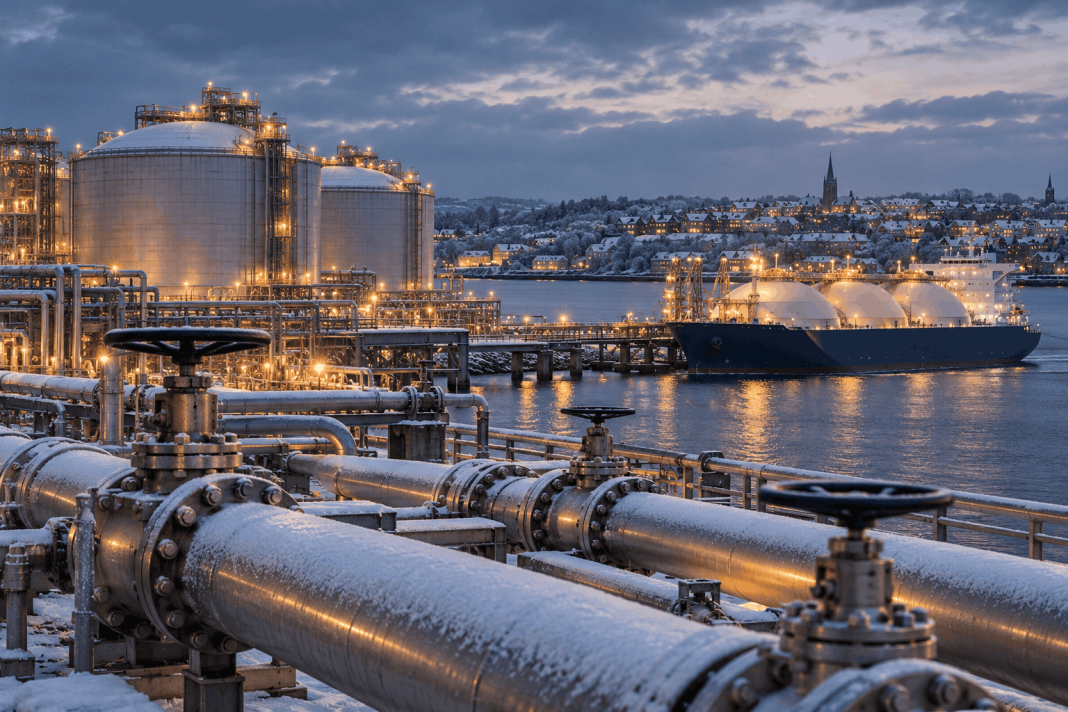
Next, disruptions to Middle Eastern LNG shipments have tightened the market. LNG is natural gas cooled into liquid form for transport by ship. Europe depends on these deliveries alongside pipeline supplies and stored fuel. Consequently, shipping problems can quickly affect the cost of securing replacement cargoes.
The latest gas market assessment shows that almost no Qatari LNG reached the EU during summer 2026. Total LNG imports fell by 14% during that period. Meanwhile, US LNG supplied around 30% of the bloc’s total gas needs. These changes underline Europe’s shifting dependence on overseas suppliers. www.acer.europa.eu
However, finding another seller does not remove every delivery constraint. Export terminals, shipping capacity and travel times all affect when replacement fuel can arrive. Buyers also face competition from other importing regions. Therefore, additional supplies may come with higher costs or less favourable delivery terms.
This pressure makes international coordination increasingly important. Reliable information about cargo arrivals can help buyers respond before shortages become more difficult to manage. Furthermore, diverse supply arrangements can reduce dependence on individual routes. They cannot eliminate global competition, but they can spread exposure across several suppliers.
European Gas Prices Highlight Storage Concerns
Furthermore, underground reserves provide an important buffer when winter demand rises. Yet EU storage stood at 75% on 21 October 2026, following a difficult refill season. Stocks had fallen to 28% at the end of the previous winter. That starting point left buyers with considerable ground to recover. www.acer.europa.eu
Storage percentages should still be read carefully. A site holding three quarters of its capacity does not cover three quarters of winter consumption. Europe continues receiving pipeline gas and LNG throughout the heating season. Stored supplies help bridge the gap when daily demand exceeds incoming deliveries.
Meanwhile, the severity and timing of cold weather will influence withdrawal rates. An early cold spell could increase consumption before winter reaches its hardest months. A later freeze could arrive when reserves are already lower. Both possibilities explain why traders closely watch weather forecasts alongside supply updates.
Lower stocks do not automatically mean households will lose access to gas. However, they reduce flexibility when several problems occur together. A delivery delay becomes more difficult to absorb during unusually high demand. Consequently, stable imports and careful monitoring remain essential throughout the season.
How European Gas Prices Affect Bills and Industry
Then comes the difficult question for consumers: when will higher costs reach their bills? The answer depends on their supplier and contract. Fixed tariffs may delay exposure until renewal, while variable arrangements can respond sooner. Taxes, network charges and support schemes also influence the amount customers ultimately pay.
Electricity costs can rise alongside gas, even where other technologies generate much of the power. Gas plants often provide the final electricity needed to meet demand. During those periods, their operating costs help determine wholesale electricity prices. This connection allows a gas supply shock to spread across the wider energy market. Economy and Finance
For businesses, the consequences depend on energy use and purchasing arrangements. A manufacturer renewing its contract may face different pressures from one with prices already secured. Higher operating costs can squeeze margins and delay investment. Companies may then consider price increases, efficiency improvements or changes to production schedules.
Readers can explore this connection through our [energy bills guide](/energy-bills/). Our [business energy costs coverage](/business-energy-costs/) also provides a useful place for related updates. These topics help explain why wholesale movements matter differently across households and industries.
European Gas Prices Keep the Winter Outlook Uncertain
Finally, winter conditions will determine how severely the current pressure develops. Milder weather could slow withdrawals and reduce urgent purchasing needs. Colder conditions could increase competition for available shipments. Neither outcome guarantees a steady price path, because delivery disruptions can change the balance quickly.
Europe also has some protection compared with earlier crisis conditions. Gas demand is around 20% lower than before the 2022 crisis. That reduction helps existing reserves stretch further, although competition with Asia for LNG remains a concern. These factors make the outlook serious without making shortages inevitable.
For now, European gas prices remain a warning about affordability and supply resilience. Governments and suppliers must manage immediate winter needs while strengthening longer-term flexibility. Households and businesses should follow contract updates carefully. The coming months will test whether Europe can maintain reliable supplies at manageable costs.

Nuwan Wackwella is a digital creator passionate about technology, creativity, and sharing inspiring moments from everyday life.