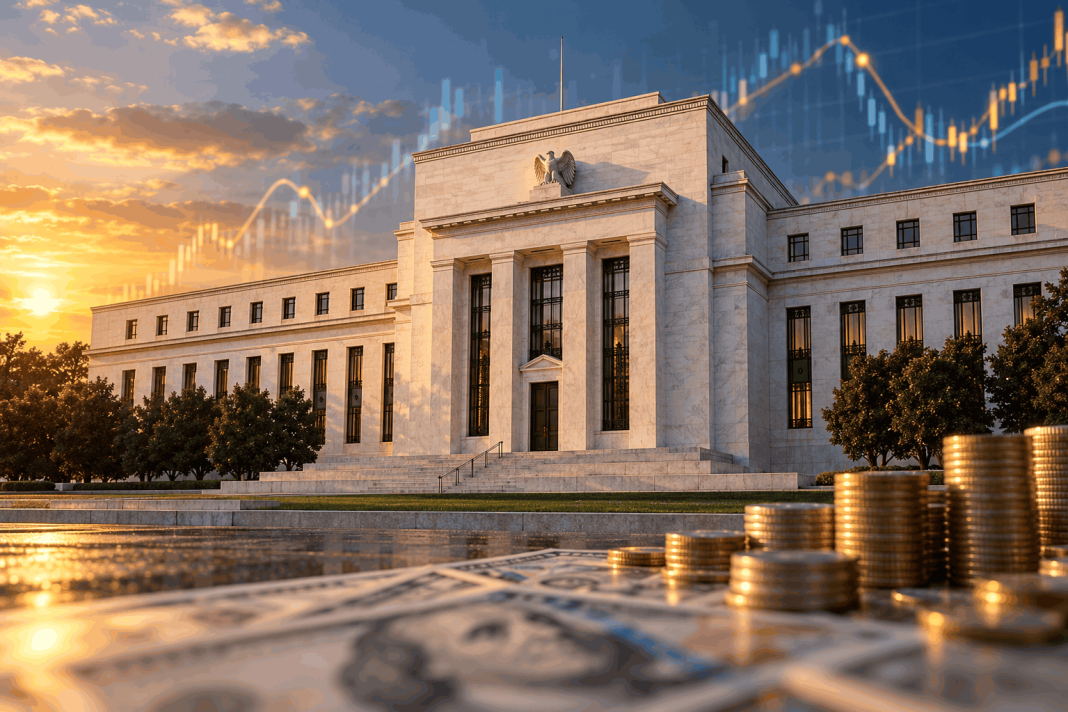
US Federal Reserve Holds Rates: What Borrowers Should Know
The US Federal Reserve held its benchmark interest rate at 3.75%–4% on 28 October 2026, keeping borrowing costs unchanged. Inflation remained elevated, while officials wanted more information before choosing their next move. The decision leaves households, businesses and investors watching closely for signs of what comes next. www.federalreserve.gov
For borrowers, the announcement offers no immediate reduction in the central bank’s policy rate. However, individual lenders can still change their prices. Meanwhile, savers should check their account terms because a steady benchmark does not guarantee unchanged returns.
Why the US Federal Reserve Held Rates
The committee described economic activity as strong. Domestic spending remained resilient, capital investment was robust, and unemployment had changed little. However, inflation continued to concern policymakers, who remain committed to returning it to their 2% target. www.federalreserve.gov
These conditions explain why the announcement deserves careful attention. Strong activity can support employment and business sales. Yet persistent price pressures make the path towards lower borrowing costs less straightforward.
Officials therefore chose to gather more information. Their statement did not promise that the next move would bring a cut. Equally, an unchanged rate should not automatically suggest that another increase is certain.
The important distinction is between a decision and a forecast. October’s announcement confirms the current policy setting. It does not settle the direction of every future meeting.
A Divided Vote Shows Continued Uncertainty
The committee approved the pause by a 10–2 vote. Lisa Cook and Beth Hammack opposed the decision because they preferred a quarter-point increase. Their votes show that some officials considered further tightening necessary. www.federalreserve.gov
However, disagreement does not mean the committee has already chosen its next action. Members can change their assessments as new evidence arrives. Readers should therefore distinguish confirmed decisions from predictions about future meetings.
The original claim that officials paused to avoid an election-related shock needs caution. The official statement explained the decision through economic conditions and inflation. It did not identify the approaching elections as the reason for holding rates. www.federalreserve.gov
What the Decision Means for Borrowers
A steady benchmark rate does not mean every loan carries the same cost. Lenders also consider credit history, repayment periods, funding costs and competition. Consequently, two borrowers can receive different offers even when the central bank leaves policy unchanged.
People with variable-rate borrowing should review how their contracts calculate interest. Some products follow a reference rate, while others depend on lender decisions. The timing of any adjustment also depends on the agreement.
Existing fixed-rate loans generally follow their agreed terms until the fixed period ends. However, refinancing introduces a new pricing decision. Borrowers approaching that point should compare the total cost of available offers.
Mortgages May Follow a Different Path
Mortgage pricing does not move in a simple, automatic relationship with one policy announcement. Expectations about future rates can influence offers before officials meet. Lenders also adjust their products according to their own costs and appetite for lending.
Therefore, a pause does not guarantee cheaper mortgages immediately. Nor does it mean every offer will remain unchanged. Comparing fees, repayment terms and interest charges provides a more useful picture than watching headline rates alone.
This distinction matters for readers outside the United States too. An American policy decision does not directly set mortgage rates elsewhere. Local economic conditions, central bank decisions and lender pricing remain important.
What Savers Should Watch
Savers should avoid assuming their account returns will stay fixed because policymakers paused. Easy-access providers may change variable rates according to their terms. Promotional offers can also expire independently of a central bank meeting.
First, check the interest rate your account currently pays. Next, review withdrawal restrictions, minimum balances and any introductory period. Finally, compare the practical terms alongside the advertised return.
Inflation also affects the purchasing power of savings. A higher account balance does not necessarily buy more goods if prices rise faster. Understanding that difference helps explain why both interest rates and inflation matter.
How Businesses Could Respond
For businesses, financing costs influence decisions about equipment, hiring and expansion. A company considering a loan needs to assess repayments against expected income. Leaving the benchmark unchanged does not remove those planning pressures.
Smaller firms may also face different borrowing conditions from larger companies. Their offers can depend heavily on cash flow, collateral and credit history. As a result, the headline decision tells only part of the financing story.
Businesses can use a pause to review existing borrowing arrangements and upcoming renewals. However, decisions should reflect their circumstances rather than an assumed future rate cut.
Add another internal link here: [Explore our coverage of business borrowing and inflation — insert your article URL].
What Comes Next for the US Federal Reserve?
The next decision remains open. Officials said additional information would help them determine the policy needed to restore price stability. Their statement provides a clear reason to follow incoming evidence rather than treat forecasts as settled outcomes. www.federalreserve.gov
Inflation, employment and spending figures provide useful context when assessing that evidence. Still, one release rarely explains every aspect of an economy. Trends across several indicators offer a broader picture.
Readers should also separate American policy from decisions in Britain or elsewhere. Central banks assess their own economies and responsibilities. A pause in Washington does not confirm an upcoming UK increase.
For the full announcement, read the official October policy statement. When reviewing subsequent coverage, check the meeting date, confirmed rate range and supporting evidence before drawing conclusions about future borrowing costs.

Nuwan Wackwella is a digital creator passionate about technology, creativity, and sharing inspiring moments from everyday life.