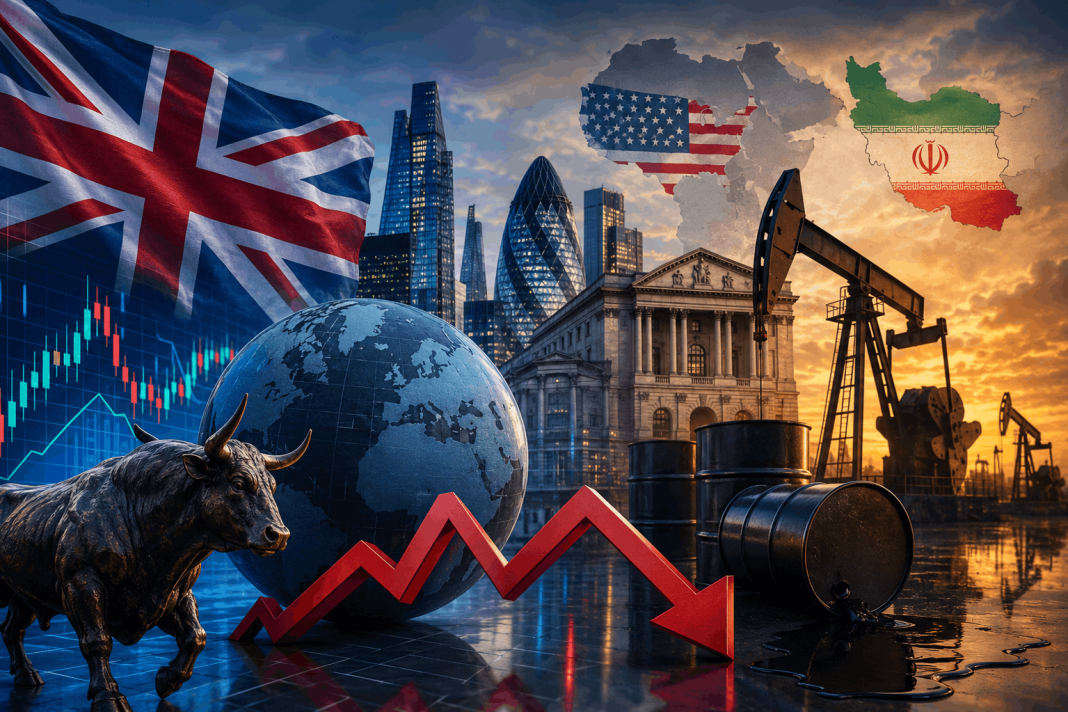
FTSE Market Reaction: Iran Ceasefire Sends Oil Lower and Reshapes UK Stocks
The FTSE Market Reaction to the latest Iran ceasefire announcement highlights how quickly global events can influence financial markets. Investors initially welcomed news of a ceasefire between the United States and Iran, pushing UK stocks higher at the opening bell. However, as trading continued, enthusiasm faded and markets settled into a more cautious tone. The biggest impact came from falling oil prices, which created both winners and losers across the London market.
For investors, the latest developments offer important insights into how geopolitical events affect sectors ranging from energy and travel to mining and construction. Understanding these market movements can help investors make more informed decisions during periods of uncertainty.
FTSE Market Reaction Begins with Strong Market Optimism
The initial FTSE Market Reaction was overwhelmingly positive. London’s benchmark index opened sharply higher after reports suggested that a ceasefire agreement could reduce tensions in the Middle East.
Investors viewed the development as a step toward restoring stability in one of the world’s most important energy-producing regions. As a result, risk appetite improved across global markets.
Asian markets also responded positively. Major indexes in Japan and South Korea recorded significant gains, while US futures pointed toward a stronger Wall Street opening. The widespread optimism reflected hopes that a reduction in geopolitical tensions would support global economic growth.
One key factor driving confidence was the potential reopening of shipping routes through the Strait of Hormuz. This narrow waterway handles a large portion of global oil exports, making it critical for international energy markets.
FTSE Market Reaction and the Sharp Fall in Oil Prices
A major element of the FTSE Market Reaction was the rapid decline in crude oil prices. Brent crude fell sharply as traders priced in lower risks to global energy supplies.
During recent tensions, oil prices surged due to fears of shipping disruptions and supply shortages. The ceasefire changed that outlook almost immediately. Investors began anticipating smoother transport flows and reduced risks for energy producers and importers alike.
While lower oil prices benefit many industries, they created challenges for major energy companies. Shares of oil producers came under pressure as investors adjusted earnings expectations.
Companies with significant exposure to energy markets saw some of the largest declines within the FTSE index. This shift demonstrates how quickly sentiment can change when geopolitical risks ease.
FTSE Market Reaction Creates Winners in Travel and Aviation
The positive side of the FTSE Market Reaction was visible in the travel and aviation sectors.
Airlines benefited from expectations of lower fuel costs and improved international travel conditions. Lower oil prices typically reduce operating expenses for carriers, improving profit margins and boosting investor confidence.
Travel-related businesses also gained momentum. Investors expect greater stability in international routes if tensions in the Middle East continue to ease. Increased travel demand could support airlines, airport operators, and tourism-focused companies in the months ahead.
Engine manufacturers and aviation service providers also attracted attention. Rising flight activity often creates stronger demand for maintenance services, replacement parts, and long-term support contracts.
These developments helped offset some of the weakness seen in energy stocks and contributed to broader market resilience.
FTSE Market Reaction Supports Mining Shares
Another important aspect of the FTSE Market Reaction involved the mining sector.
Several mining companies recorded gains as investors reassessed inflation expectations. Lower oil prices can reduce production and transportation costs across commodity markets. This often creates a more favorable environment for mining operations.
At the same time, precious metals continued attracting investor interest. Gold and silver remain popular defensive assets during uncertain periods. Although geopolitical tensions eased, investors remained cautious about broader economic conditions.
As a result, mining companies linked to precious metals benefited from renewed market attention. Their performance provided additional support for the wider FTSE index throughout the trading session.
FTSE Market Reaction Highlights Mixed Signals for Housebuilders
The latest FTSE Market Reaction also brought renewed focus to the UK’s housing sector.
Analysts continue to evaluate how interest rates, mortgage affordability, and construction costs will influence future housing demand. While some builders received positive recommendations from investment banks, others faced more cautious outlooks.
Investors are increasingly looking at company-specific strengths rather than treating the sector as a single investment theme. Pricing power, land availability, and operational efficiency remain important factors.
The housing market continues to face challenges from elevated borrowing costs. However, companies with strong balance sheets and efficient operations may be better positioned to navigate the current environment.
FTSE Market Reaction Loses Momentum During Trading
Despite the strong opening, the FTSE Market Reaction became more restrained as the day progressed.
Early gains gradually faded as investors sought additional details about the ceasefire agreement. Market participants remained cautious about whether the announcement would lead to lasting stability.
The FTSE 100 eventually traded only modestly higher compared to its opening levels. This reflects a common market pattern where initial excitement is followed by a more measured assessment of risks and opportunities.
Energy stocks continued to weigh on the index, while gains in travel, financial, and mining shares helped prevent a broader pullback.
The mixed performance showed that investors are balancing optimism with realism as they evaluate the long-term implications of recent developments.
FTSE Market Reaction and the Broader Investment Outlook
Looking beyond the immediate headlines, the FTSE Market Reaction illustrates the interconnected nature of modern financial markets.
Geopolitical developments can influence energy prices, inflation expectations, corporate earnings, and investor sentiment within hours. For UK investors, the latest market moves highlight the importance of diversification across multiple sectors.
Attention is now shifting toward central bank policy decisions and economic data releases. Interest rate expectations remain a major factor influencing equity markets worldwide.
Meanwhile, developments in technology, artificial intelligence, and global trade continue shaping long-term investment opportunities. While the ceasefire provided a short-term boost to market sentiment, broader economic factors will likely determine market direction in the weeks ahead.
What Investors Should Watch Next
The recent FTSE Market Reaction offers several lessons for investors.
First, geopolitical events can create sudden market volatility. Second, falling oil prices often produce very different outcomes across sectors. Finally, diversification remains one of the most effective ways to manage uncertainty.
Investors should continue monitoring developments in the Middle East, energy markets, and central bank policy decisions. The future direction of oil prices will remain particularly important for the FTSE 100.
While the ceasefire has improved sentiment, lasting stability will depend on continued diplomatic progress and secure global trade routes.
For now, UK markets remain cautiously optimistic. The balance between opportunity and risk continues to shape investment decisions as global events unfold.

Nuwan Wackwella is a digital creator passionate about technology, creativity, and sharing inspiring moments from everyday life.