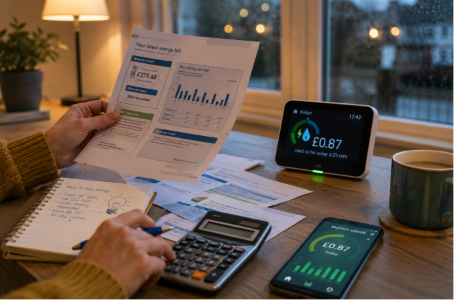
Millions of households across the UK are preparing for an Energy Price Cap increase from 1 July 2026. The latest change announced by Ofgem means many families will pay more for gas and electricity over the next three months. If you use a traditional meter instead of a smart meter, there is one important step you should take before the new rates begin. Submitting a meter reading before the deadline can help ensure you are only charged the lower June rates for the energy you have already used.
With living costs still putting pressure on household budgets, taking a few minutes to send an accurate reading could prevent unnecessary charges. It is also a good opportunity to review your current tariff and look for better-value deals.
UK Energy Bills Rise: Save Money Before July Price Cap
Why the Energy Price Cap Matters Before 1 July
The latest increase affects millions of homes that are on standard variable tariffs. While the cap limits the maximum price suppliers can charge per unit of gas and electricity, it does not set a fixed bill for everyone. Your final costs will still depend on how much energy you use.
If you have a traditional meter, your supplier may estimate your usage if it does not receive a reading before the new prices take effect. Those estimates could mean part of your June energy consumption is billed using the higher July rates.
To avoid this, submit your meter reading on 30 June or as early as possible on 1 July.
Energy Price Cap Means Higher Bills for Most Homes
From 1 July to 30 September 2026, the average household paying by direct debit is expected to see annual energy costs increase by around £221, bringing the typical yearly bill to approximately £1,862.
The updated unit prices include:
- Electricity increasing from 24.67p to 26.11p per kWh
- Gas increasing from 5.74p to 7.33p per kWh
- Standing charges remaining largely unchanged across most regions
Although these figures represent national averages, your actual bill will vary depending on where you live and how much energy your household consumes.
How the Energy Price Cap Is Calculated
Ofgem reviews the cap every three months using several market factors. The biggest influence is the wholesale price of gas and electricity purchased by suppliers.
Recent global events have pushed wholesale prices higher, including ongoing geopolitical tensions in the Middle East that affected international energy markets. Even though demand for heating usually falls during the summer, higher wholesale costs have still resulted in increased household prices.
Industry experts continue to monitor market conditions, and future adjustments will depend largely on wholesale energy trends over the coming months.
How to Submit Your Energy Price Cap Meter Reading
Sending your reading is quick and can usually be completed in just a few minutes.
Most suppliers allow customers to submit readings through:
- Their official website
- Mobile app
- Customer service phone line
- Online customer account portal
Before submitting your reading:
- Record the exact numbers displayed on your meter.
- Take a clear photograph for your own records.
- Note the date and time you submitted the reading.
If you already have a smart meter that automatically sends readings, you generally do not need to take any action unless your supplier has advised otherwise.
Compare Tariffs After the Energy Price Cap Update
The price cap is not the only option available. Many suppliers continue to offer fixed-rate tariffs that could work out cheaper than remaining on a standard variable tariff.
According to comparison experts at Uswitch, some fixed deals remain up to 15% below the new capped rates. Switching now may provide greater certainty if prices rise again later this year.
Before changing suppliers, consider:
- Exit fees on your current tariff
- Contract length
- Customer service ratings
- Whether the tariff includes renewable energy options
Comparing several offers can help you identify the best value for your household rather than focusing only on the headline price.
Missing the Deadline Could Cost More
If you forget to submit your meter reading before the new rates begin, your supplier will usually estimate your usage.
Estimated bills are not always accurate. In some cases, more of your June energy use could be charged at the higher July prices. While suppliers can adjust bills later if you provide a corrected reading, resolving these issues may take time and require additional communication.
Providing regular readings throughout the year also helps you monitor your own energy consumption more accurately and avoid unexpected bills.
Energy Bills Rise: Martin Lewis Shares Best Money-Saving Tips
Simple Ways to Reduce Your Energy Costs
Although rising prices are outside your control, there are several practical ways to lower your overall energy spending.
Consider these simple habits:
- Turn off lights when leaving a room.
- Use energy-efficient appliances whenever possible.
- Wash clothes at lower temperatures.
- Avoid leaving electronics on standby.
- Improve home insulation to reduce heat loss.
- Check whether you qualify for government or supplier support schemes.
Even small daily changes can make a noticeable difference over several months.
Looking Ahead After the Energy Price Cap Increase
Energy analysts believe market conditions could improve later in the year if wholesale gas prices ease. However, future changes will depend on international energy markets and supply conditions.
For now, households can reduce the immediate impact by submitting accurate meter readings, reviewing their tariff options, and managing energy use carefully.
Taking these simple steps before 1 July can help ensure your bill reflects your actual consumption rather than an estimated figure, giving you greater control over your household budget during another period of rising energy costs.

Hello there! I’m Online Media & PR Strategist at BusinessFits | Passionate Journalist, Blogger, and SEO Specialist