Table of Contents
ToggleThe oil price drops sharply after Iran announced the reopening of the Strait of Hormuz, easing global energy concerns. This unexpected move quickly shifted market sentiment, bringing relief to economies and consumers alike.
Energy markets reacted almost instantly. Oil prices fell below the $90 mark, signaling a significant shift after weeks of volatility. The reopening came during a temporary ceasefire period, creating optimism about improved global supply chains.
Impact Global Energy Markets
The oil price drops had a major effect on global benchmarks. Brent crude declined by over 10%, settling near $88.8 per barrel. This is a sharp fall compared to last month’s peak of $119, highlighting how sensitive markets are to geopolitical developments.
Natural gas markets also followed the downward trend. Europe’s main gas contract dropped by 6.4%, reaching approximately €39 per megawatt hour. Traders are now hopeful that stable supply routes will return if diplomatic progress continues.
For more context on global oil benchmarks, visit this guide EIA.
Boost Stock Markets Worldwide
Another immediate effect of the oil price drops was a surge in global stock markets. Investors responded positively to the easing energy crisis.
- Germany’s DAX rose around 2%
- France’s CAC 40 gained close to 2%
- The Dow Jones increased by 1.8%
- The S&P 500 climbed 1.2%
- The FTSE 100 in London ended 0.7% higher
Lower energy costs often translate into reduced operational expenses for companies, which boosts investor confidence and market performance.
Driven by Iran’s Ceasefire Move
The oil price drops were triggered by Iran’s announcement allowing ships to pass through the Strait during a 10-day ceasefire. The waterway had been blocked for seven weeks, disrupting one of the world’s most critical oil transit routes.
Iran’s foreign minister confirmed that vessels could safely navigate a designated route. However, the situation remains complex, with ongoing geopolitical tensions and partial naval restrictions still in place.
Learn more about Europe Jet Fuel Crisis: Supply Shortage Threatens Travel
Shipping Industry Uncertainty
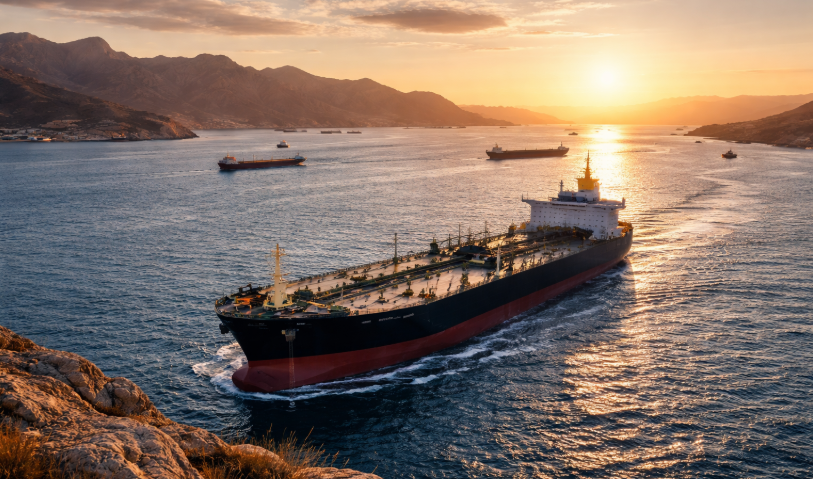
Despite the oil price drops, uncertainty still surrounds shipping operations. Around 800 tankers remain stranded in the Gulf, with nearly 300 carrying oil and gas.
Shipping companies now face key questions:
- Will they pay high transit fees reportedly reaching $2 million?
- Is the route truly secure for commercial passage?
- Will the ceasefire last long enough to resume normal traffic?
Industry experts emphasize that coordination between governments, naval forces, and shipping firms will be critical for safe navigation.
For shipping industry updates, check: ics-shipping.org
Highlight Strategic Importance of Hormuz
The oil price drops underline the massive importance of the Strait of Hormuz in global trade. Before the crisis, more than 130 vessels passed through daily, carrying a significant share of the world’s oil supply.
When the strait was blocked, it triggered what the International Energy Agency described as one of the most severe energy disruptions in history. The reopening, even temporarily, is a crucial step toward stabilizing global markets.
Reflect Political and Economic Signals
The oil price drops also reflect broader political developments. Statements from global leaders suggest that negotiations could progress quickly, although uncertainties remain.
While optimism is growing, partial military restrictions and unresolved diplomatic issues mean markets remain cautious. Investors are closely watching every update from the region.
Relief to Consumers and Businesses
For everyday consumers, the oil price drops could translate into lower fuel costs. This affects:
- Transportation expenses
- Airline ticket prices
- Manufacturing costs
- Household energy bills
Businesses, especially those reliant on logistics and fuel, may see improved profit margins if the trend continues.
Market Sensitivity to Geopolitics
The oil price drops demonstrate how quickly global markets respond to geopolitical events. A single announcement from Iran shifted oil prices within hours, proving the fragile balance of supply and demand.
Energy markets remain highly sensitive to developments in the Middle East. Any disruption or resolution can have immediate global consequences.
Oil Price Drops Outlook: What Happens Next?
Looking ahead, the future of the oil price drops depends on several factors:
- Whether the ceasefire extends beyond 10 days
- If shipping routes remain consistently open
- The outcome of ongoing diplomatic negotiations
- Stability in regional security conditions
If tanker movement resumes at scale, oil prices could decline further. However, any renewed tension could quickly reverse current gains.
Conclusion
The recent oil price drops offer a strong signal of hope for global markets. Lower prices, improved stock performance, and easing supply concerns are positive developments.
However, the situation remains fluid. The reopening of the Strait of Hormuz is temporary, and long-term stability depends on sustained diplomatic progress.
For now, the world watches closely as energy markets, governments, and industries adapt to rapidly changing conditions.

I’m an Online Media & PR Strategist at BusinessFits, passionate about digital storytelling and media impact. As a journalist, blogger, and SEO specialist, I create content that connects, informs, and ranks.