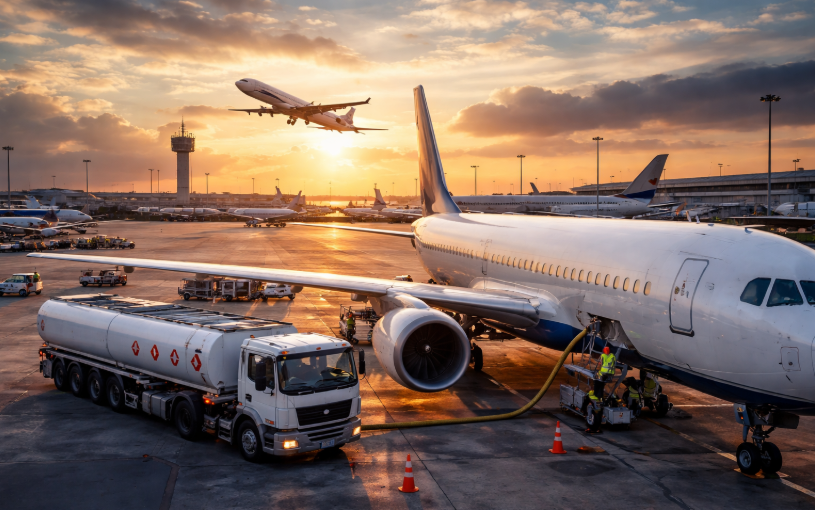
Europe is facing a serious Europe jet fuel crisis, with experts warning that the region may have only six weeks of supply left. This alarming development comes just as peak summer travel approaches, raising concerns about canceled flights, rising ticket prices, and major disruptions across the aviation sector.
The crisis stems from global geopolitical tensions and supply chain breakdowns. As fuel availability tightens, airlines, governments, and travelers are all feeling the pressure. Without quick solutions, the situation could escalate into a full-scale aviation disruption across the continent.
Strait of Hormuz Disruption
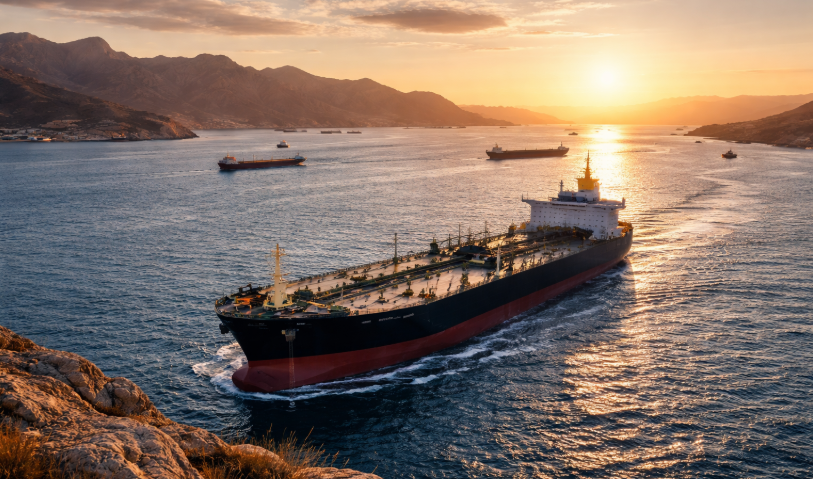
The root cause of the Europe jet fuel crisis lies in the closure of the Strait of Hormuz, one of the world’s most critical energy shipping routes. The shutdown followed escalating conflict involving Iran, the United States, and Israel.
Europe depends heavily on fuel imports from the Middle East, with nearly two-thirds of jet fuel supplies originating from the Gulf region. With refineries impacted and shipments halted, the supply gap has widened dramatically.
Efforts are underway to replace lost imports. Countries like the United States and Nigeria have increased exports, but current replacements cover only about half of Europe’s needs. According to the International Energy Agency, fuel reserves could hit critical levels by June, especially at smaller regional airports. Learn more from the International Energy Agency.
Driving Prices Higher
The Europe jet fuel crisis is already pushing prices to record levels. Jet fuel costs have surged to nearly $1,838 per tonne more than double pre-crisis levels.
Fuel typically accounts for 20–40% of airline operating costs, making this spike extremely difficult to absorb. Airlines are passing these costs onto passengers through higher ticket prices and reduced flight availability.
As a result, travelers across Europe are seeing fewer options and increased fares. If the crisis continues, demand could weaken, further impacting the aviation and tourism sectors.
Ireland’s Jet Fuel Crisis
Ireland faces unique challenges in the Europe jet fuel crisis due to its geographic position. As an island nation, it relies heavily on air travel for both tourism and trade.
Nearly 90% of visitors arrive by air, and about half of the country’s cargo depends on aviation. This makes Ireland particularly vulnerable compared to mainland European countries.
Airlines operating in Ireland are already adjusting routes, optimizing fuel efficiency, and preparing for potential shortages. However, prolonged disruptions could significantly affect the country’s economy.
Airlines adjust to Europe Jet Fuel Crisis
Airlines across Europe are taking urgent steps to manage the Europe jet fuel crisis. Several major carriers have already begun reducing operations:
- KLM has canceled around 160 European flights
- Lufthansa plans to ground 27 aircraft
- EasyJet reported £25 million in additional fuel costs in just one month
These actions represent early efforts to conserve fuel and manage rising expenses. Airlines are also deploying more fuel-efficient aircraft and restructuring flight schedules to stretch available resources.
Despite these measures, booking trends show weaker demand compared to last year, signaling growing consumer concern.
Government Response for The European Jet Fuel Crisis
European authorities are closely monitoring the Europe jet fuel crisis. The European Commission is holding weekly coordination meetings to assess fuel availability and refinery capacity.
So far, officials report no immediate widespread shortages, but contingency planning is underway. Governments are working with airlines and fuel suppliers to stabilize the situation.
Check EU energy updates from the European Commission.
In the UK, authorities are coordinating with industry stakeholders to ensure supply continuity. Industry groups are also pushing for temporary regulatory flexibility to help airlines navigate the crisis.
Travel Outlook for Summer in Europe
The future of the Europe jet fuel crisis depends largely on how quickly alternative supplies can be secured. Analysts suggest two possible scenarios:
- If only half the supply gap is filled, shortages could begin as early as June
- If up to 75% is replaced, disruptions may be delayed until August
Smaller airports are expected to feel the impact first, while major hubs like Heathrow may remain stable longer due to prioritized supply chains.
Even if the Strait of Hormuz reopens, it could take 5–6 weeks for supply chains to normalize, meaning short-term disruptions are likely unavoidable.
Energy dependence in Europe and the world
The Europe jet fuel crisis highlights the fragile nature of global energy systems. A single geopolitical event has triggered ripple effects across continents, impacting aviation, trade, and tourism.
Refineries in Asia are also feeling pressure due to crude shortages, further tightening global supply. This interconnectedness underscores the importance of diversified energy sources and stronger contingency planning.
Travelers’ Guide to Europe Jet Fuel Crisis
For travelers, the Europe jet fuel crisis means staying informed and flexible. Flight schedules may change quickly, and ticket prices could continue rising.
Here are a few practical tips:
- Check airline updates regularly
- Book flexible or refundable tickets
- Allow extra time for travel planning
Being proactive can help minimize disruptions and avoid last-minute surprises.
Conclusion for Europe Jet Fuel Crisis
The Europe jet fuel crisis is a developing situation with significant implications for airlines, governments, and passengers alike. With limited supply and rising demand, the coming weeks will be critical.
Quick action from global suppliers, policymakers, and the aviation industry could help stabilize the situation. However, if delays continue, Europe’s summer travel season may face serious challenges. Read more about global energy disruptions impacts on Green Energy Switch Drives UK Homes Amid Fuel Surge.

I’m an Online Media & PR Strategist at BusinessFits, passionate about digital storytelling and media impact. As a journalist, blogger, and SEO specialist, I create content that connects, informs, and ranks.