Introduction to the White Egg Switch
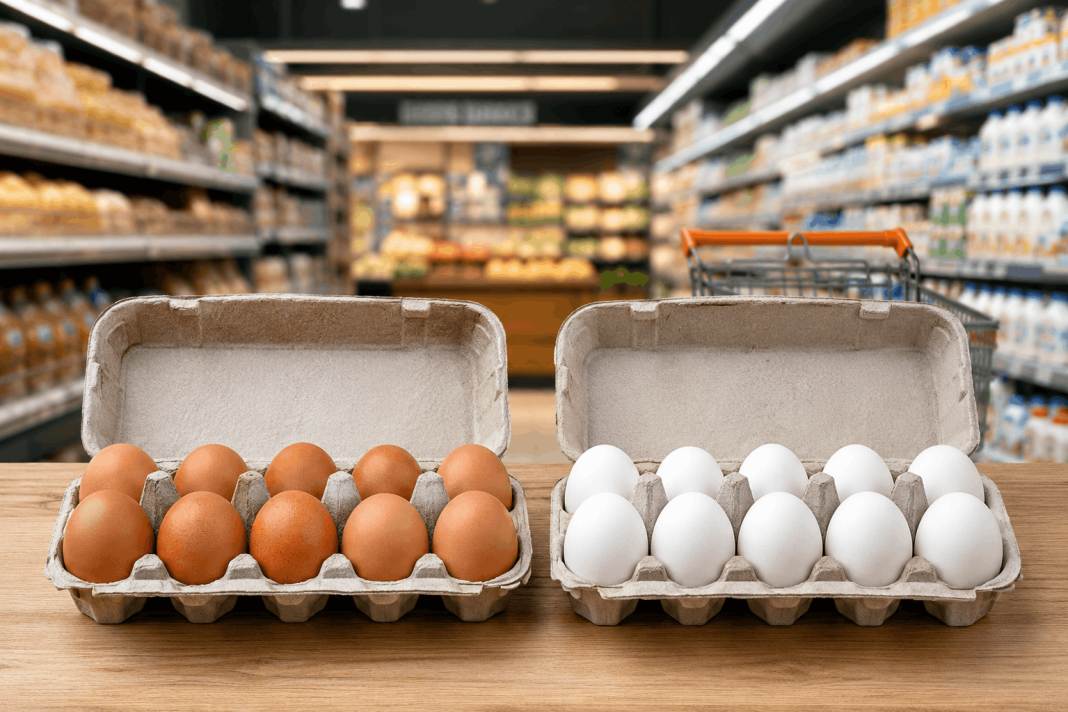
The White Egg Switch announced by Sainsbury’s has sparked debate among shoppers across the UK. The supermarket giant has decided to stop selling its own-brand brown eggs and move entirely to white eggs as part of its sustainability strategy.
For many customers, brown eggs have long been the preferred choice. However, Sainsbury’s believes this change can help reduce carbon emissions while maintaining the same quality, taste, and nutritional value consumers expect. As environmental concerns become increasingly important, supermarkets are looking for new ways to lower their impact on the planet. Net Zero Strategy: Build Back Greener
This move represents more than a simple packaging change. It reflects a growing trend in the food industry where sustainability is influencing purchasing decisions and product offerings.
Why the White Egg Switch Supports Sustainability Goals
The primary reason behind the White Egg Switch is environmental efficiency. Research shows that white-feathered hens are generally smaller than brown-feathered hens. As a result, they require less feed while producing a similar number of eggs.
Because feed production accounts for a significant portion of an egg’s carbon footprint, reducing feed consumption can create meaningful environmental benefits. Studies suggest that eggs from white hens can generate approximately 12.7% fewer carbon emissions compared to eggs from brown hens.
Sainsbury’s has committed to achieving net-zero emissions in its direct operations by 2035 and throughout its wider supply chain by 2050. The shift to white eggs aligns with these long-term objectives and forms part of a broader sustainability roadmap.
Moreover, lower feed requirements mean reduced demand for agricultural land, water resources, and transportation, helping to decrease overall environmental pressure.
The Science Behind the White Egg Switch
Many shoppers assume that shell color reflects nutritional differences, but science tells a different story.
The White Egg Switch is based on efficiency rather than changes in nutrition. Eggshell color depends entirely on the breed of hen. White-feathered breeds typically lay white eggs, while brown-feathered breeds produce brown eggs.
Inside the shell, however, the eggs are virtually identical. Nutrition experts confirm that protein content, vitamins, minerals, and taste remain the same regardless of shell color. You can explore more details from British Egg Industry Council.
The brown shell simply results from pigments applied during the final stages of egg formation. Therefore, choosing a white egg instead of a brown one does not mean sacrificing quality, flavor, or nutritional value.
Environmental Benefits of the White Egg Switch
One of the strongest arguments supporting the White Egg Switch is its potential environmental impact.
Smaller hens consume less feed throughout their lives. Consequently, farmers can produce the same number of eggs while using fewer resources. This efficiency translates into lower greenhouse gas emissions and reduced waste production.
Additionally, white hens often remain productive for longer periods, allowing farms to maximize output while minimizing environmental costs. Longer laying cycles can improve overall resource efficiency across egg production systems.
Although shell color alone does not determine sustainability, combining efficient breeds with responsible farming practices can significantly improve environmental outcomes.
As consumers become more conscious of climate issues, these small adjustments can collectively contribute to meaningful reductions in emissions.
How Other Retailers View the White Egg Switch
Not every supermarket is taking the same approach.
While Sainsbury’s is implementing the White Egg Switch, other major retailers have chosen to maintain broader selections. Waitrose has publicly stated that it will continue offering brown eggs alongside white varieties, emphasizing customer choice.
Similarly, Morrisons has indicated that brown eggs will remain available in its stores. These retailers believe consumers should decide which products best suit their preferences while sustainability improvements continue across the supply chain.
The differing approaches create an interesting market landscape. Some shoppers may embrace white eggs for environmental reasons, while others may continue purchasing brown eggs out of habit or preference.Tesco Meal Deal Price Hike Divides Shoppers Nationwide
Ultimately, competition among retailers may help educate consumers and encourage greater awareness of sustainable food production.
Common Myths About the White Egg Switch
The White Egg Switch has also revived several long-standing myths about egg production.
One common misconception is that brown eggs are healthier. In reality, nutrition experts consistently state that shell color has no effect on nutritional quality.
Another myth suggests that brown eggs are more natural. Historically, white eggs were extremely common in Britain before consumer preferences shifted during the late twentieth century. Marketing and public perception largely influenced the popularity of brown eggs.
Some shoppers also associate deeper-colored yolks with healthier eggs. However, yolk color depends mainly on a hen’s diet rather than shell color. Feed ingredients rich in carotenoids can produce darker yolks without significantly altering nutritional value.
Instead of focusing on shell color, consumers should pay attention to egg production codes. These codes provide valuable information about farming methods, including organic and free-range standards.
What the White Egg Switch Means for Shoppers
For consumers, the White Egg Switch should have little impact on everyday cooking and eating habits.
The eggs will continue to provide the same nutritional benefits and perform identically in recipes. Whether frying, boiling, poaching, or baking, white eggs deliver the same results as brown eggs.
Shoppers interested in animal welfare should continue examining egg labels carefully. Production methods and farming standards play a much larger role in welfare outcomes than shell color.
Meanwhile, environmentally conscious consumers may view the change positively. Choosing products with lower environmental footprints allows individuals to support sustainability goals through everyday purchases.
With Britain consuming approximately 14.5 billion eggs annually, even modest improvements in efficiency can create significant environmental benefits over time.
The Future of the White Egg Switch in the UK
The White Egg Switch may signal a broader transformation within the food industry. As retailers face increasing pressure to reduce emissions, similar changes could emerge across other product categories.
Consumers are becoming more aware of how food choices affect the environment. Consequently, supermarkets are searching for practical ways to balance sustainability objectives with customer expectations.
Sainsbury’s decision demonstrates how seemingly small changes can contribute to larger environmental goals. While some shoppers may initially resist the transition, education and transparency will likely play a key role in shaping public opinion.
As the industry evolves, sustainability considerations are expected to become an increasingly important factor in food production and retail strategies.
Conclusion: Understanding the White Egg Switch
The White Egg Switch is not about changing taste, nutrition, or quality. Instead, it represents an effort to reduce environmental impact through more efficient egg production.
Sainsbury’s believes white eggs can help lower emissions while supporting its net-zero ambitions. At the same time, competitors such as Waitrose and Morrisons continue to offer brown eggs, ensuring shoppers retain a variety of options.
Whether consumers embrace the change or remain loyal to brown eggs, the discussion highlights a growing reality: everyday food choices are becoming increasingly connected to sustainability. Understanding these changes can help shoppers make informed decisions that align with their values while still enjoying the foods they love.

Nuwan Wackwella is a digital creator passionate about technology, creativity, and sharing inspiring moments from everyday life.