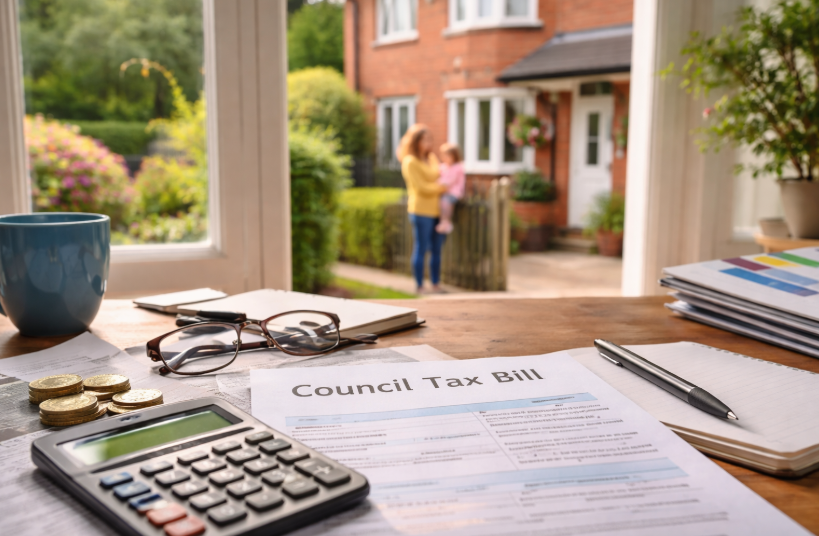
The council tax shake-up is set to transform how households across the UK deal with missed payments and debt collection. For years, a single missed instalment could trigger demands for the entire annual bill, leaving many families stressed and vulnerable. Now, sweeping reforms aim to create a fairer system that prioritizes support over punishment.
These long-awaited changes reflect growing concern about aggressive collection practices and the financial pressure faced by low-income households. With rising living costs, the timing of this reform could not be more critical.
Council Tax Shake-Up Changes to Payment Rules
One of the most important updates in the council tax shake-up is the extension of the repayment window. Councils must now give households 63 days to catch up on missed payments instead of issuing rapid demands for the full yearly amount.
Previously, some councils escalated debts within just weeks, often pushing families into deeper financial trouble. The new rule ensures people have time to recover and plan their finances without immediate fear of enforcement action.
Additionally, councils are now required to offer realistic repayment plans. This means households can negotiate manageable instalments rather than facing sudden, overwhelming bills.
Council Tax Shake-Up Makes Billing More Affordable
Another key feature of the council tax shake-up is the move to a 12-month billing cycle by default. This replaces the traditional 10-month structure, reducing monthly payments and easing pressure on tight budgets.
Families still have the option to pay over 10 months if they prefer, but spreading payments across the full year offers greater flexibility for most households.
The reforms also introduce a cap on administrative costs for liability orders, limiting them to £100. This prevents small debts from escalating due to excessive fees—one of the most criticized aspects of the old system.
For more details on council tax rules, visit the official UK government guide.
Council Tax Shake-Up Support for Vulnerable Groups
A major focus of the council tax shake-up is improving support for vulnerable individuals. Updates include changes to the discount system for people with severe mental impairment, including a new name designed to reduce stigma.
The introduction of a standardized application form will make it easier for eligible individuals to claim support. This change is being developed in collaboration with disability organizations to ensure accessibility and fairness.
These updates address long-standing issues in a system that has remained largely unchanged since 1993. By simplifying processes and removing barriers, the reforms aim to ensure that help reaches those who need it most.
Why the Council Tax Shake-Up Matters in 2026
The council tax shake-up arrives at a time when many UK households are already struggling. Council tax bills increased in April 2026, adding further strain to family budgets.
Consumer advocates, including financial expert Martin Lewis, have long criticized the previous system for its harsh enforcement methods. Campaigns led by organizations like MoneySavingExpert helped push these reforms forward after months of sustained pressure.
You can explore financial advice and updates here: Council Tax Reforms: Fair System for Every UK Homeowner.
The reforms mark a shift toward a more compassionate approach, ensuring that genuine hardship is treated with understanding rather than penalties.
What to Expect Next from the Council Tax Shake-Up
The council tax shake-up will roll out in stages, with major changes taking effect from April 2026 and further updates planned for 2027 and 2028.
Councils will receive guidance on implementing the new rules consistently. While enforcement will still apply to those who deliberately avoid payments, the system now distinguishes more clearly between unwillingness and inability to pay.
This balanced approach aims to protect vulnerable households while maintaining accountability.
Practical Steps During the Council Tax Shake-Up
If you fall behind on payments, early action is crucial. Contact your local council as soon as possible to discuss your situation and request a repayment plan.
Free, independent advice is available from trusted organizations such as: nationaldebtline.org and stepchange.org
These services can help you understand your options and avoid escalation. The new rules give you more time but taking initiative remains essential.
Council Tax Shake-Up and Mental Wellbeing
The emotional impact of council tax debt has often been overlooked. Under the old system, rapid escalation created panic and anxiety for many households.
The council tax shake-up helps reduce this stress by providing more time and clearer communication. Instead of immediate threats of legal action, families now have space to resolve issues calmly.
Research shows that council tax debt is one of the most common sources of financial worry in the UK. By addressing this, the reforms contribute not only to financial stability but also to improved mental wellbeing.
Looking Ahead After the Council Tax Shake-Up
The council tax shake-up represents a major step toward modernizing an outdated system. By focusing on fairness, transparency, and support, these reforms aim to create a more balanced relationship between councils and residents.
Future discussions may include additional improvements, such as expanded discounts for carers and apprentices, as well as clearer processes for challenging property tax bands.
For now, households should stay informed and take advantage of the new protections. These changes show that persistent advocacy can lead to meaningful reform.

I’m an Online Media & PR Strategist at BusinessFits, passionate about digital storytelling and media impact. As a journalist, blogger, and SEO specialist, I create content that connects, informs, and ranks.