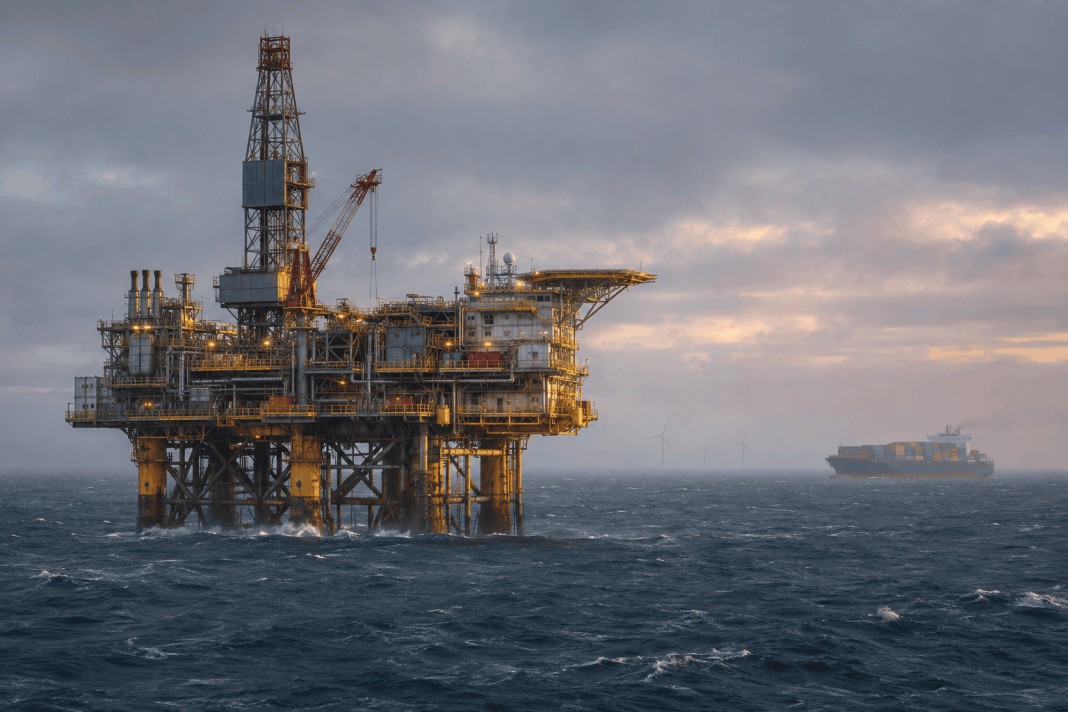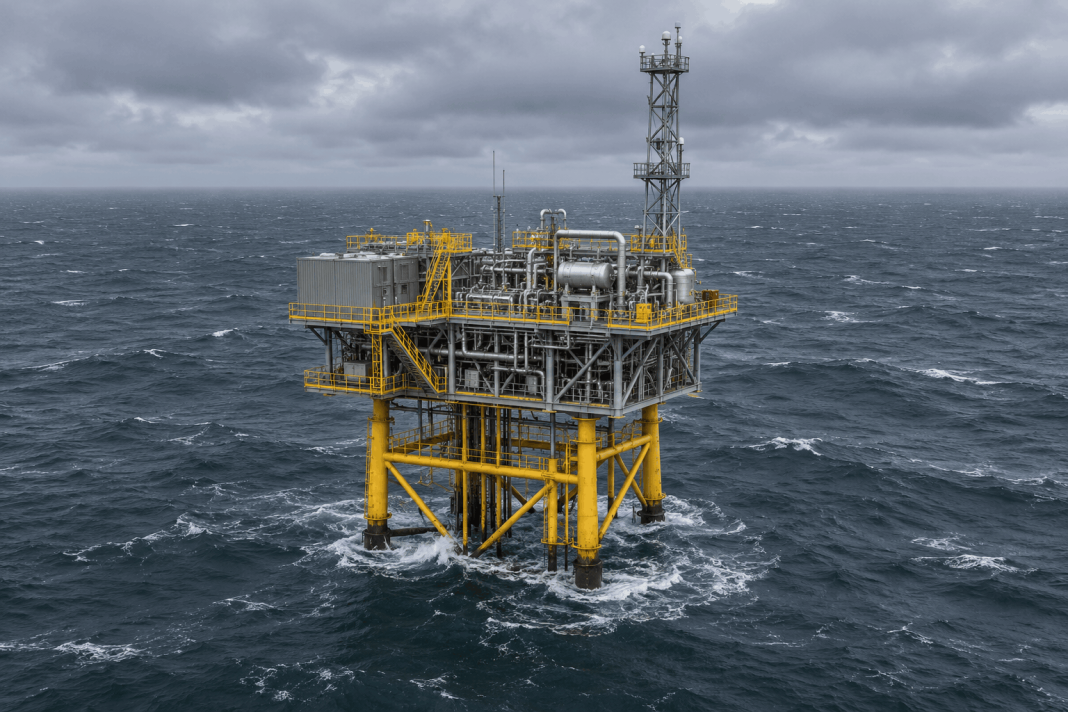
UK Energy Policy Faces Backlash as Jackdaw Starts Production
UK energy policy is under renewed scrutiny after the Jackdaw gas field began production in the North Sea. Ministers say the project will strengthen domestic supplies as Britain heads into winter. Some Labour MPs and climate campaigners argue that approving more fossil fuel production undermines the government’s climate commitments. The dispute raises an immediate question for households: can more British gas ease pressure on energy bills? Production update
The North Sea Transition Authority granted production consent on 21 October 2026 after the Energy Secretary agreed to the decision. The government expects Jackdaw to increase domestic gas production by around 6% at its peak. It estimates the field could operate for up to 11 years. Peak output will come later, so the headline figure describes the project’s potential contribution rather than an immediate boost. Parliamentary statement on production consent
How Jackdaw Fits Into UK Energy Policy
Jackdaw lies about 150 miles east of Aberdeen. Its gas adds to Britain’s domestic supply at a time when homes and businesses still rely on the fuel. Cold weather increases demand for heating, while gas-fired power stations can also help meet electricity demand. Ministers argue that bringing a domestic source online gives Britain more options when imports become expensive. Jackdaw production update
The government draws a distinction between licensing exploration in new fields and allowing production in fields that already hold a licence. Jackdaw already held one. The October decision gave the operator consent to produce gas, which matters because ministers have pledged to stop issuing new exploration licences. Critics argue that the climate impact depends on how much gas the project produces and how long it runs. Government decision on Jackdaw
What UK Energy Policy Means for Household Bills
More domestic gas can help Britain meet demand, especially when overseas supplies are under pressure. However, suppliers still buy gas in a market influenced by weather, demand across Europe and disruptions to global supplies. A field can make more fuel available without producing an immediate fall in wholesale prices. Any effect on household tariffs also depends on how market prices move over time.
The energy price cap takes wholesale costs into account alongside network charges, policy costs and supplier expenses. It limits unit rates and standing charges for households on covered tariffs. What a household pays also depends on how much energy it uses, so colder weather can raise a bill even if the unit rate stays the same. Our [guide to UK energy bills](/REPLACE-WITH-UK-ENERGY-BILLS-ARTICLE-SLUG/) explains how those charges show up on a bill. Energy price cap explained
Why UK Energy Policy Has Divided Labour MPs
The latest dispute began before the first gas reached the market. Labour backbenchers joined a cross-party letter urging ministers to reject Jackdaw and the separate Rosebank oil project. They argued that both developments would prolong reliance on fossil fuels and questioned the financial benefits. Labour MP Richard Burgon also disputed the idea that Jackdaw would ease household bills and called for more renewable investment. Backbench response to the approval
For ministers, the timing deepened the split. The approval came ahead of winter, when the case for securing supplies is easiest to make. For opponents, the decision sets a precedent for projects that could produce fuel long after the immediate pressures pass. Those different timelines help explain why both sides can point to the same project and reach very different conclusions.
Meanwhile, ministers say the development will protect hundreds of jobs and add an estimated £2.9 billion to the UK economy. For businesses serving the offshore sector, a producing field can support demand for maintenance, engineering and logistics. The political question is how ministers weigh that work against the need to create lasting jobs in cleaner industries. That choice matters in areas where offshore contracts support local employers and their supply chains. Government economic estimates
How Climate Commitments Shape UK Energy Policy
The 2024 Finch ruling changed how authorities assess the climate impact of fossil fuel projects. The case concerned an onshore oil development. The Supreme Court held that its environmental assessment had to cover emissions from burning the oil after extraction, as those emissions were an inevitable result of the project. The government says North Sea operators must now consider the impact of burning the fuels they extract in their environmental assessments. Finch judgment ·
The Energy Secretary concluded that Jackdaw would still allow Britain to stay within its legally binding carbon limits and reach net zero by 2050. Critics argue that opening another source of gas risks prolonging dependence on the fuel. Much depends on how quickly households and businesses can use less gas for heating and power. That will take investment in measures such as insulation, cleaner heating and low-carbon electricity. Government assessment of climate targets
What the North Sea Dispute Means for UK Energy Policy
The government has also announced an Energy Wealth Fund with an initial £2 billion commitment. It plans to use North Sea tax revenues to support renewable and low-carbon projects. The approach links today’s offshore activity to investment in cleaner energy, though receipts can vary as prices and production change. Our [coverage of North Sea tax receipts](/REPLACE-WITH-NORTH-SEA-TAX-ARTICLE-SLUG/) explains why those revenues can rise and fall sharply.
The fund also raises a question about timing. Offshore tax receipts can come in before new power projects are ready to generate electricity. Turning that money into new capacity depends on how quickly projects secure investment and connect to the grid. Businesses will be watching where the money goes and when work starts.
The next test for UK energy policy is how ministers handle other offshore projects while advancing plans to use less gas. Jackdaw’s actual output through winter will show how much the field contributes in its first months. Future decisions will show how much weight ministers give to domestic supply, local jobs and the emissions from burning the fuel. The pace of clean energy investment will help determine how long those choices keep coming up.

Nuwan Wackwella is a digital creator passionate about technology, creativity, and sharing inspiring moments from everyday life.