UK Economic Changes: North Sea Tax and EU Trade
UK economic changes are putting two pressures in focus. The latest fiscal forecast projects a rise in North Sea oil and gas tax receipts this year, followed by a sharp decline. Meanwhile, Britain and the European Union are working on agreements covering carbon pricing, food trade and youth mobility. Both issues will shape how the country manages its finances and trades with its largest neighbouring market.
The latest fiscal outlook puts offshore tax receipts at £5.1 billion in 2026–27, up 25% from the previous year. By 2028–29, the forecast drops to £1.9 billion. On trade, the next UK–EU summit is scheduled for 20 November in Brussels. The talks could clarify how each side plans to reduce barriers that have affected some businesses since Brexit. October fiscal forecast · UK–EU summit briefing
North Sea Tax Receipts and UK Economic Changes
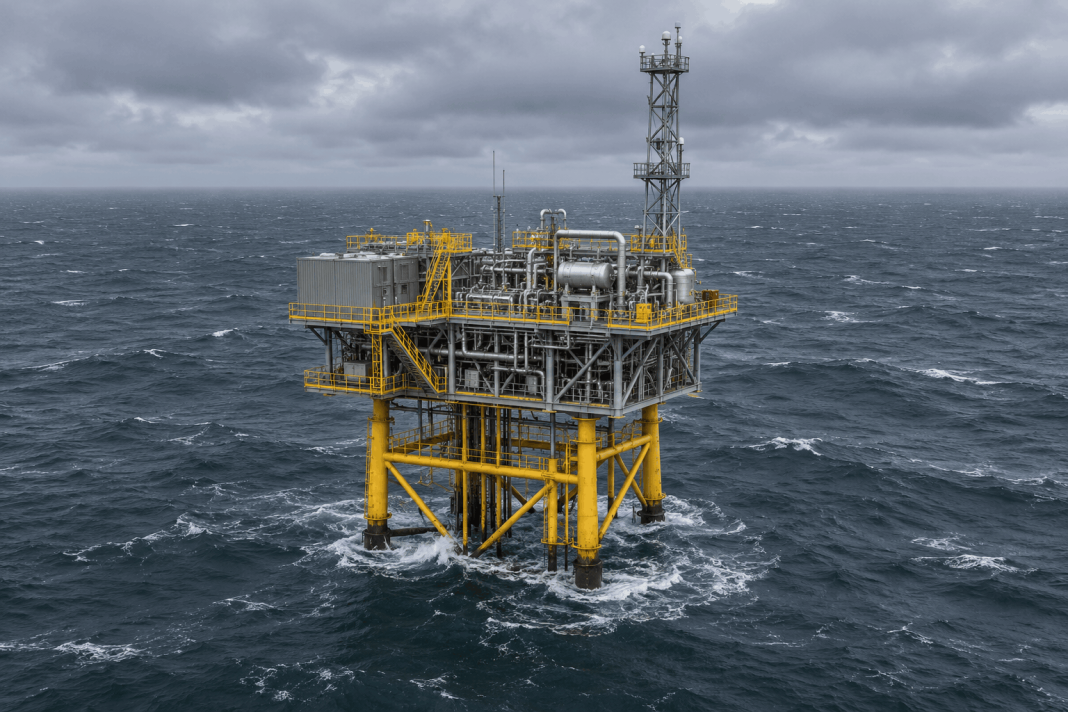
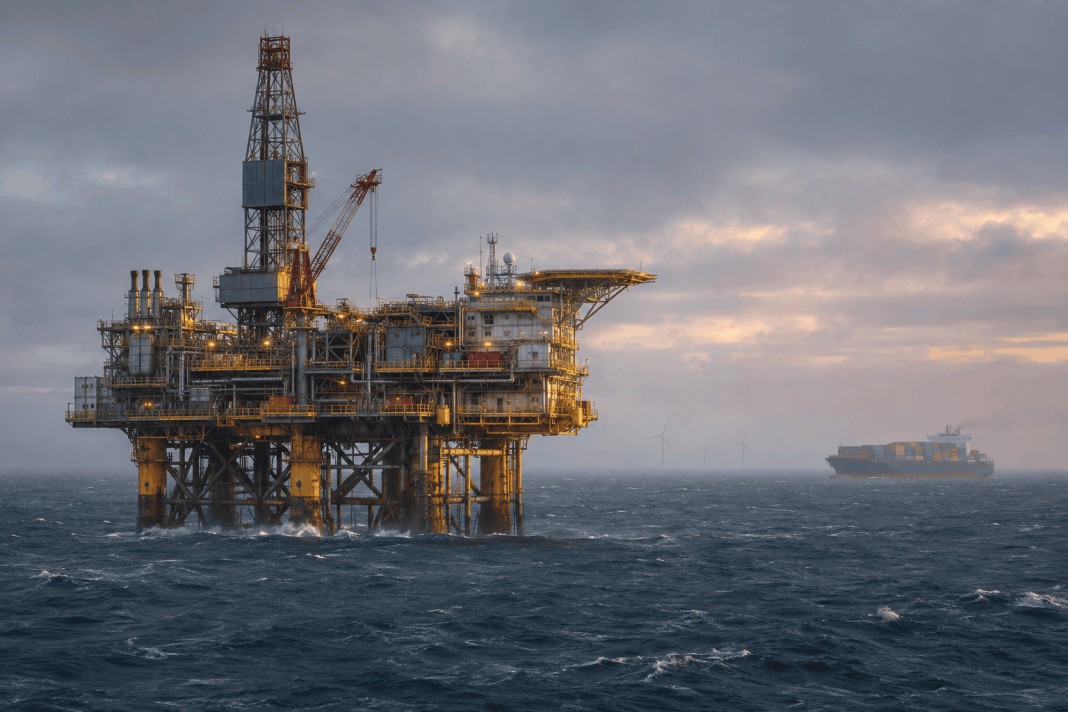
Higher oil and gas prices explain much of the forecast rise in receipts this financial year. When producers earn more from each barrel or unit of gas, their taxable profits can rise. The amount the Treasury collects also depends on how much companies produce and what they spend on operations, investment and closing old sites. These factors can move in different directions and make receipts hard to predict.
The longer-term outlook is weaker. The forecast points to £300 million in 2030–31 and close to zero in 2031–32. It assumes UK oil and gas production will keep declining and the Energy Profits Levy will expire in September 2029. As older fields produce less, higher prices would have to offset a smaller volume of oil and gas to support receipts. Oil and gas revenue forecast methodology
For the Treasury, the timing matters. A strong year for offshore receipts can help the current budget, while the expected fall limits how much future budgets can count on. Spending decisions often extend across several years, so a temporary increase offers little basis for a lasting commitment. The gap between this year’s forecast and the end of the decade shows how quickly this source of revenue could shrink.
The forecast also highlights how closely public finances can depend on conditions outside the government’s control. A shift in global energy prices can change the near-term outlook even when the trend in domestic production stays the same. Anyone following [North Sea oil and gas policy](/REPLACE-WITH-NORTH-SEA-ARTICLE-SLUG/) should therefore read each new forecast alongside its assumptions about prices, output and the tax rules.
UK Economic Changes and Europe’s Carbon Market
Alongside the pressure on offshore revenues, Britain is looking to link its emissions trading system with the EU’s. Both systems set a cap on covered emissions and require businesses to surrender allowances for the emissions they produce. Companies can buy and sell those allowances. The price gives businesses a reason to cut emissions when doing so costs less than buying more allowances.
Linking the markets would allow allowances to be recognised across the two systems under agreed rules. A wider market could give businesses more buyers and sellers when they trade allowances. It could also bring carbon prices closer together, which would matter to firms that plan investments years ahead. The final terms would determine how the link works and when companies can use it. UK emissions trading policy overview
Trade is another reason for the talks. The EU’s carbon border rules affect certain imports, including products tied to industries such as steel and aluminium. A linking agreement could help the two sides work towards exemptions from each other’s carbon border measures, subject to the terms they agree. Until those terms and dates are clear, affected exporters still need to plan around the rules that apply to their goods. UK–EU carbon pricing framework
How UK Economic Changes Could Affect Trade and Travel
The summit agenda also includes talks on food, animal and plant health rules. Exporters that send products such as meat, dairy or fresh produce across the Channel face checks and paperwork. An agreement on shared rules could reduce some of that work. For a small supplier, fewer forms or delays could make it easier to fill an order that depends on a tight delivery window.
Closer cooperation also raises questions about how Britain would keep its rules aligned with the EU in the areas covered. For businesses, predictable rules can make it easier to plan. For ministers and lawmakers, the question is how future rule changes would take effect and what say the UK would have. Those details will help determine how much practical relief a deal offers. Parliamentary review of UK–EU alignment
A proposed youth experience scheme is also on the agenda. It could open more opportunities for young people to spend time abroad for work, study or travel. The final eligibility rules and start date will matter to applicants, employers and education providers. The [UK–EU trade reset](/REPLACE-WITH-UK-EU-TRADE-ARTICLE-SLUG/) covers several policy areas, so each agreement could come into effect on a different timetable.
What Comes Next for UK Economic Changes
The summit will offer the next indication of how far Britain and the EU have come on carbon pricing, food trade and youth mobility. For businesses, the value of any deal will depend on which rules change, when they take effect and what firms need to do in the meantime. For the Treasury, the next fiscal forecasts will show whether energy prices have shifted the outlook for offshore tax receipts again.
The two developments operate on different timelines. Trade agreements could give exporters clearer rules once the terms take effect. North Sea revenues, meanwhile, will still depend on prices, production and the tax rules in force. The current forecast gives the government a short-term boost while pointing to a much smaller revenue stream by the end of the decade.

I’m an Online Media & PR Strategist at BusinessFits, passionate about digital storytelling and media impact. As a journalist, blogger, and SEO specialist, I create content that connects, informs, and ranks.