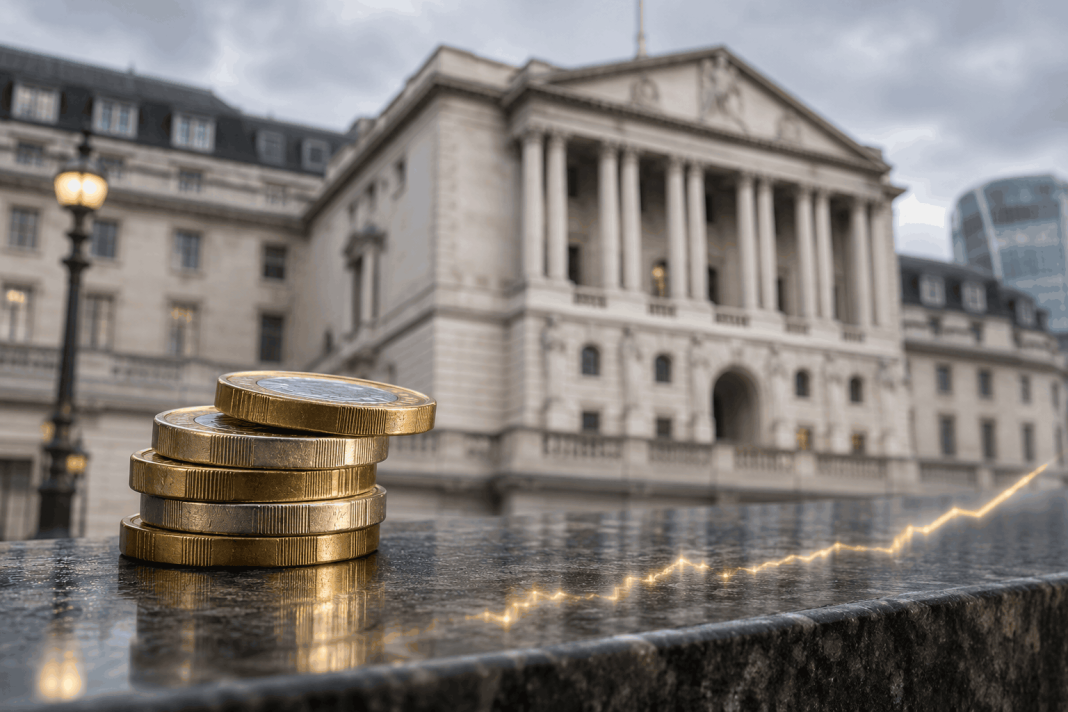
UK Interest Rates in Focus as Pound Hits a Seven-Week High
UK interest rates took centre stage on 5 November 2026 after sterling reached a seven-week high against the US dollar. The pound climbed to about $1.3503 on Wednesday, its strongest level since 15 September. A weaker dollar helped drive the move as traders prepared for a possible Bank of England rate rise.
Ahead of Thursday’s announcement, Bank Rate stood at 3.75%. Markets expected a quarter-point rise to 4% as policymakers faced renewed pressure from inflation. With traders already expecting a rise, the Bank’s guidance on future moves could have a bigger impact on sterling. Check the Bank of England’s decision page.
UK Interest Rates in Focus as the Dollar Weakens
First, the dollar came under pressure after Democrats secured control of Congress in the US midterm elections. US Treasury yields and oil prices fell as markets reacted to the result. The dollar slipped to its weakest level in more than a month against major currencies.
Sterling traded around $1.3487 early on Thursday, just below the previous day’s peak. It was slightly weaker against the euro in early trading. The difference matters because the pound can gain against the dollar while losing ground elsewhere. The seven-week high refers specifically to the pound-dollar exchange rate.
Why Traders Expected UK Interest Rates to Rise
Next, investors turned to inflation. UK consumer prices rose 3.5% in the year to September, up from 3.1% in August. Motor fuel helped drive the increase, while annual services inflation rose from 3.4% to 3.7%. Both figures gave traders a reason to expect tighter policy. Read the September inflation figures.
Higher energy prices can push up travel and heating costs. They can also raise bills for businesses that rely on fuel or electricity. If firms pass those costs on, the effect can spread to other goods and services. That makes the duration of an energy shock important for policymakers.
The Bank aims to bring inflation back to 2% over time. Higher borrowing costs can help by slowing spending and reducing pressure on prices. However, that process takes time, and households can feel the strain sooner through some types of borrowing.
How the Budget Fits Into UK Interest Rates
Meanwhile, the Autumn Budget set out measures to ease household energy costs. The government announced a £100 payment for households in Council Tax bands A to D in England. It also extended the cut in VAT on domestic electricity until July 2027. Read the Budget measures for energy bills.
Those measures can ease some immediate pressure on family budgets. The effect on household bills will vary with eligibility, energy use and the timing of the support. Wholesale energy costs can still change quickly, leaving families and businesses exposed to swings in global markets.
The government sets taxes and spending, while the Bank’s Monetary Policy Committee sets Bank Rate. Investors follow both because fiscal decisions can affect spending and inflation. See what a higher Bank Rate could mean for borrowers.
What UK Interest Rates Mean for Mortgages and Savings
For borrowers, the impact depends on the type of mortgage they hold. Tracker mortgages generally move with Bank Rate, so a rise can increase monthly payments. Existing fixed-rate borrowers usually keep the same rate until their current deal ends.
However, lenders can adjust new fixed deals before a Bank decision. Those offers reflect expectations for future rates, along with funding costs and competition. That means borrowers coming off a fixed deal may already see higher quotes before an official announcement.
Savings rates can also respond at different speeds. Some providers may raise rates on variable accounts, while others may keep them steady. The Bank’s decision can influence available offers, but each provider sets its own rates and terms. See how Bank Rate affects borrowing and saving.
Why UK Interest Rates May Offer Sterling Limited Support
Higher rates can make sterling assets more attractive when their expected returns rise relative to overseas alternatives. However, currency markets tend to react to surprises. If traders already expect a rise to 4%, the announcement itself may do little to lift the pound.
A divided vote could signal less support for further increases. Equally, a warning that inflation might remain high could encourage traders to expect tighter policy for longer. The difference between the Bank’s message and market expectations may matter more than the size of the move. See the next signals markets will watch.
US developments could also change the outlook quickly. If Treasury yields recover and the dollar strengthens, sterling could give back some gains. Conversely, renewed dollar weakness could support the pound even if the Bank signals a cautious approach.
<a id=”next-market-signals”></a>
What Markets Will Watch Next for UK Interest Rates
Finally, traders will study the vote, the Bank’s inflation forecast and its assessment of energy prices. The November report can help explain how policymakers see the balance between rising prices and weaker spending. Follow the November Monetary Policy Report.
The next UK inflation and wage figures will also matter. If price pressures ease, traders could scale back their expectations for further increases. If costs keep rising and wage growth remains firm, markets may see a stronger case for tighter policy.
For sterling, Thursday’s decision is one part of the picture. The pound’s next move also depends on whether US yields recover and whether energy prices hold their recent declines. Until those signals become clearer, the seven-week high may prove difficult to build on.

Nuwan Wackwella is a digital creator passionate about technology, creativity, and sharing inspiring moments from everyday life.