Global Airlines Liquidation Ends UK Startup’s A380 Ambitions
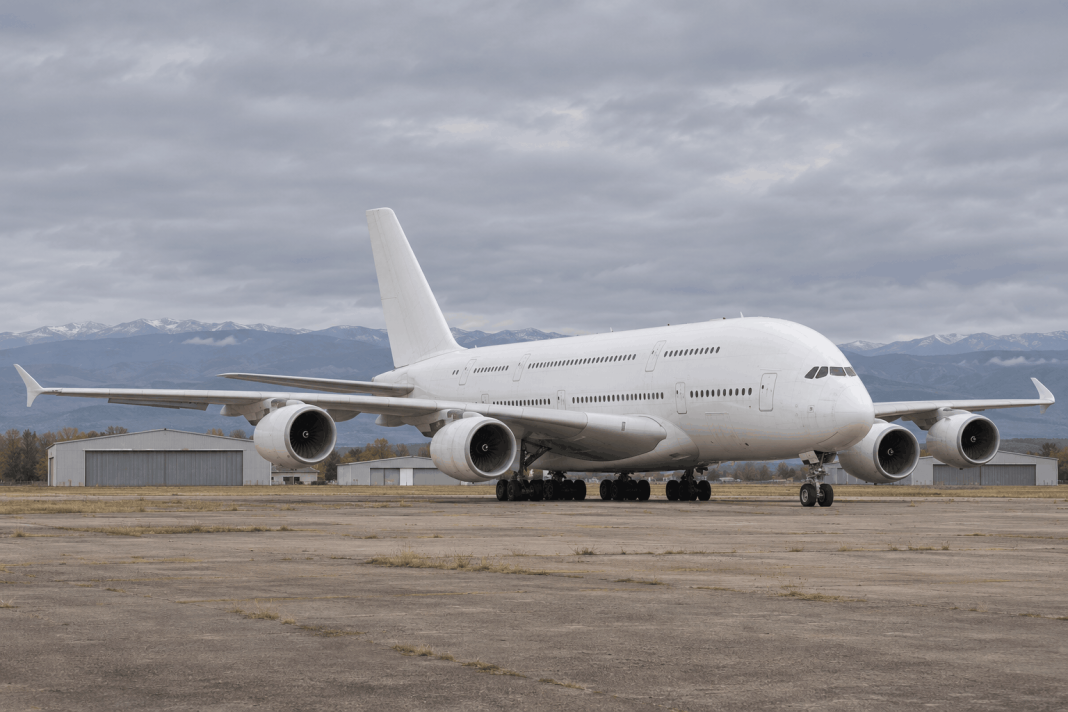
Global Airlines liquidation ends a British startup’s bid to build a transatlantic airline around the Airbus A380. The UK High Court of Justice ordered Global Airlines Ltd to wind up on 4 November 2026. The company had brought its double-decker aircraft into passenger service in May 2025, but it completed just four commercial flights. Its only A380 has been in storage in France since July 2025. Read the official winding-up notice.
The venture promised to bring some glamour back to long-haul flying. It secured a former China Southern Airlines jet and carried paying passengers across the Atlantic. Yet the startup never established the regular service it had envisioned. The distinction between its first passenger flights and that larger plan helps explain why the winding-up order closes such a short chapter in commercial aviation.
Global Airlines Liquidation and the High Court Order
First, a creditor filed a winding-up petition on 29 May 2026. The High Court granted the order on 4 November, and the public notice followed on 12 November. The notice identifies the company as Global Airlines Ltd, registration number 13508008. It also names the Official Receiver, V Prime, as liquidator from the date of the order. View the court notice.
A winding-up petition asks the court to put a company into liquidation. Once the court grants the order, the liquidator can identify and secure company assets, review its records and deal with creditors’ claims. Any proceeds available for distribution go to creditors according to the applicable rules. The court notice gives the dates and appointment details, while the amount creditors may recover remains unclear. Read how compulsory liquidation works.
Global Airlines Liquidation and the First A380 Flights
Founder James Asquith pitched the airline in 2021 with the aim of flying a fleet of A380s across the Atlantic. The double-decker jet was central to the idea. Its size gave the startup room to imagine distinctive cabins and a premium experience. The venture eventually secured one aircraft, a former China Southern Airlines A380 that would fly under the registration 9H-GLOBL. See the aircraft’s operating history.
Next came the first commercial flight, from Glasgow to New York’s JFK Airport on 15 May 2025. The aircraft flew back to Glasgow and later made a round trip between Manchester and New York. Those two round trips accounted for all four of the venture’s commercial flights. They gave passengers a taste of the service and showed how far the startup had come with a single aircraft.
How Global Airlines Liquidation Followed a Short-Lived Launch
Global Airlines marketed the flights, and Hi Fly Malta operated them. The startup never secured its own air operator certificate, so it relied on a partner for the charter services it sold. That setup explains why passengers could book a flight under the Global Airlines brand before the startup had the approvals to operate commercial flights itself. See the UK requirements for commercial air transport.
The arrangement got the A380 into passenger service, but a regular timetable would have brought a different set of demands. A single-aircraft operation has little room to absorb a long maintenance visit. If the jet comes out of service, the business needs a replacement aircraft or another way to carry passengers. Asquith previously cited limits on maintenance capacity as a barrier to restarting flights.What Global Airlines Liquidation Means for the Stored A380
The aircraft went to Dresden for further maintenance after the May flights. It then moved to Tarbes in southern France, where it has been stored since July 2025. The jet would need a major scheduled maintenance check before it could return to service, according to aviation reporting. That work would add time and expense for any operator considering putting the aircraft back in the air.
The Global Airlines liquidation leaves the future of 9H-GLOBL open. The liquidator’s duties include establishing what assets belong to the company and what value they might deliver to creditors. The published notice gives no sale date or disposal plan for the aircraft. Its condition, the cost of returning it to service and the interest of potential buyers will help determine what happens next. See the liquidator’s duties in a winding-up.
What Global Airlines Liquidation Shows About Airline Startups
Finally, the case shows how much work lies between launching a few flights and building a regular long-haul service. A large aircraft brings hundreds of seats to market at once. That capacity can help on a busy route, but the operator must fill enough seats year-round to cover costs. Fuel, crew, airport handling and maintenance all have to fit into the price passengers are willing to pay.
A startup also needs enough cash to keep going while its routes build demand. Fuel and staffing bills arrive from the first day of flying, while customer habits can take much longer to establish. Seasonal demand makes that balance harder. A route that fills up during summer can still struggle to cover its costs in quieter months.
Global Airlines managed to get its double-decker across the Atlantic with paying passengers on board. Getting the same aircraft back into the air week after week would have required dependable maintenance, operating capacity and funding. The startup’s four flights captured the appeal of the original idea. The months the jet spent in storage showed how quickly that momentum could fade when the aircraft was unavailable. Revisit what happened after the first A380 flights

Hello there! I’m Online Media & PR Strategist at BusinessFits | Passionate Journalist, Blogger, and SEO Specialist