DWP Driving Bans: New Rules for Unpaid Benefit Debts
DWP Driving Bans are now being introduced as part of the UK government’s latest effort to recover unpaid benefit debts. Thousands of former benefit claimants are receiving warning letters explaining the new enforcement measures. The changes are designed to recover public money from people who can afford to repay what they owe but have refused to do so.
The Department for Work and Pensions (DWP) has received stronger legal powers through the Public Authorities (Fraud, Error and Recovery) Act 2025. These powers allow the department to recover outstanding debts more effectively while protecting vulnerable people who genuinely cannot pay.
DWP Driving Bans Explained: What the New Rules Mean
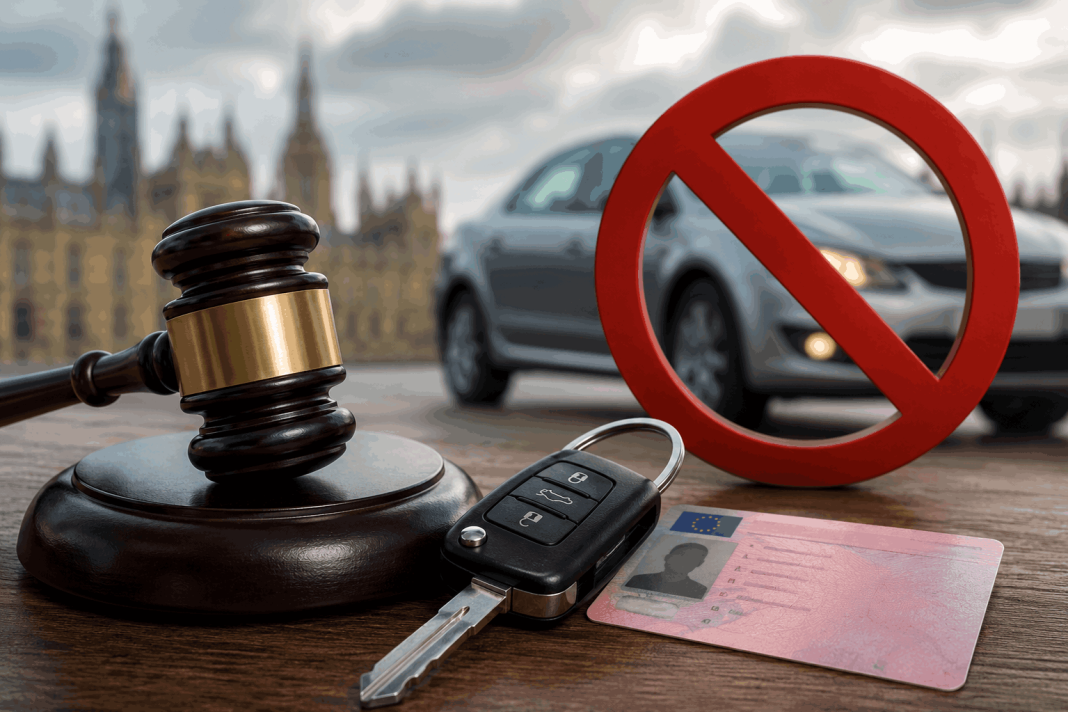
The new legislation gives the DWP several additional recovery powers. One of the biggest changes is the ability to seek court-approved driving disqualifications for people who repeatedly refuse to repay benefit debts.
These measures only apply to former claimants who are no longer receiving benefits and owe at least £1,000. Before any driving disqualification is considered, the DWP will attempt to recover the money through affordable repayment arrangements.
The department can also recover money directly from bank accounts in certain situations where legal conditions are met. These new powers are intended to close loopholes that previously allowed some debtors to avoid repayment.
Initially, any court order is expected to be suspended. This gives individuals another opportunity to follow an agreed repayment plan. If repayments continue as agreed, they can keep their driving licence. However, continued refusal to pay could result in a driving ban lasting up to two years.
Why DWP Driving Bans Were Introduced
The government says billions of pounds are lost every year through benefit fraud, official error, and unpaid debt. Ministers estimate that stronger recovery measures could save around £14.6 billion over the next five years.
Previously, recovering money from people who had stopped receiving benefits was often difficult. Many ignored repayment requests because the DWP had limited enforcement options.
The new legislation aims to improve debt recovery while ensuring fairness. Officials say honest taxpayers should not carry the financial burden created by people who deliberately refuse to repay public money.
Warning letters are already being issued, while wider enforcement measures are expected to expand from October 2026, giving affected individuals several months to arrange repayments.
Who Could Be Affected by DWP Driving Bans?
Not everyone with a benefit debt faces these new penalties.
The rules focus only on people who:
- Owe at least £1,000 in benefit debt.
- Are financially able to repay.
- Continue refusing to cooperate with repayment efforts.
- Have exhausted other recovery options.
Before requesting a driving disqualification, the DWP will assess affordability and personal circumstances. Officials will also consider whether someone depends on their driving licence for employment, medical treatment, or caring responsibilities.
People experiencing genuine financial hardship are encouraged to contact the DWP as early as possible. Affordable repayment plans remain the preferred solution.
DWP Driving Bans and Other Recovery Powers
Driving disqualifications are only one part of the government’s wider debt recovery strategy.
The department now has several additional enforcement options, including:
- Direct deductions from certain bank accounts.
- Court action against persistent debtors.
- Improved fraud detection through enhanced data-sharing.
- Stronger investigations into organised benefit fraud.
These measures are supported by a formal Code of Practice that sets out how the powers must be used fairly and proportionately.
Public consultation also helped shape the safeguards built into the legislation.
How to Avoid DWP Driving Bans
If you receive a repayment letter from the DWP, taking action quickly is the best way to avoid further enforcement.
You should:
- Read the letter carefully.
- Contact the DWP immediately.
- Confirm the amount owed.
- Discuss affordable repayment options.
- Keep copies of all correspondence and payment records.
Many people can avoid court action simply by agreeing to a realistic repayment plan.
The DWP also works alongside organisations that provide free debt advice and financial guidance for people struggling with repayments.
DWP Driving Bans and Their Impact on Taxpayers
The government says these reforms are designed to protect public finances while maintaining fairness.
Officials argue that stronger debt recovery helps ensure welfare funding remains available for those who genuinely need support. They also point to falling fraud and error rates, which recently reached around 3.2%, as evidence that wider reforms are improving the system.
Supporters believe the tougher powers will encourage voluntary repayments before court action becomes necessary.
Critics, however, have urged the government to ensure vulnerable people are not unfairly affected and that safeguards continue to be applied consistently.
What You Should Do If You Receive a DWP Letter
Anyone receiving a repayment notice should avoid ignoring it.
Instead:
- Check the debt details carefully.
- Contact the DWP before any deadlines.
- Explain your financial circumstances.
- Provide supporting evidence if needed.
- Agree to a repayment schedule you can realistically afford.
Early communication often prevents more serious enforcement measures later.
Ignoring repeated requests may eventually lead to bank recovery action or an application for a court-approved driving disqualification.
DWP Driving Bans Form Part of a Wider Welfare Reform
Alongside improved fraud investigations, enhanced data analysis, and stronger debt recovery methods, the government hopes to reduce losses while protecting support for genuine claimants.
Although the new powers are significant, ministers have repeatedly stated that they are intended for those who deliberately refuse to repay debts despite having the financial ability to do so.
For most people, cooperating with the DWP and arranging an affordable repayment plan remains the simplest and safest way to avoid further action.
Conclusion
The introduction of DWP Driving Bans marks one of the biggest changes to benefit debt recovery in recent years. The new rules are aimed at persistent debtors rather than people facing genuine hardship, with multiple safeguards built into the process.
Anyone who receives a repayment notice should respond promptly, discuss repayment options, and seek free debt advice if necessary. Acting early is the best way to avoid court proceedings, bank deductions, or the possibility of losing the right to drive.

Nuwan Wackwella is a digital creator passionate about technology, creativity, and sharing inspiring moments from everyday life.