Kent Hosepipe Ban: UK Heatwave Pushes Water Demand to Record Levels
The Kent Hosepipe Ban has been introduced as the UK faces one of its hottest summers in recent years. Record temperatures have driven water demand to unprecedented levels, prompting South East Water to impose temporary restrictions across parts of Kent. The move aims to protect essential water supplies while the region continues to experience extreme heat and exceptionally high consumption.
The restrictions come as the Met Office issues severe heat warnings across southern England. Alongside soaring temperatures, households are also dealing with rising utility bills and growing concerns about water security. While many residents understand the need to conserve water, others question why restrictions are necessary after months of investment in the water network.
Kent Hosepipe Ban Follows Record-Breaking UK Heatwave
The latest heatwave has brought exceptional temperatures across much of England. The Met Office issued a red warning covering London, Kent, and the South East as daytime temperatures climbed above 36°C in several locations.
Equally concerning were the unusually warm nights. Some areas recorded overnight temperatures above 23°C, preventing the ground and buildings from cooling properly. This prolonged heat significantly increased water use as people watered gardens, filled paddling pools, and tried to stay cool.
The extreme weather also caused travel disruption, school schedule changes, and health concerns. Medical experts urged older adults, young children, and people with existing health conditions to avoid prolonged exposure to the heat.
Kent Hosepipe Ban Introduced Across South East Water Network
South East Water supplies drinking water to approximately 850,000 customers across Kent. Following weeks of exceptionally high demand, the company confirmed that the restrictions will begin on 3 July.
Areas affected include Sevenoaks, Maidstone, Ashford, Canterbury, Tunbridge Wells, Tonbridge, Dover, Folkestone, Thanet, and several neighbouring communities.
Although reservoirs remain relatively healthy following a wet winter, the company says its treatment works cannot process water quickly enough to match current demand. Engineers have already increased production by around 100 million litres each day, but usage continues to exceed supply during peak periods.
The temporary restriction is intended to reduce unnecessary outdoor water use while maintaining reliable supplies for drinking, cooking, hygiene, and emergency services.
Kent Hosepipe Ban Rules Every Household Should Know
The restrictions mainly affect outdoor water use.
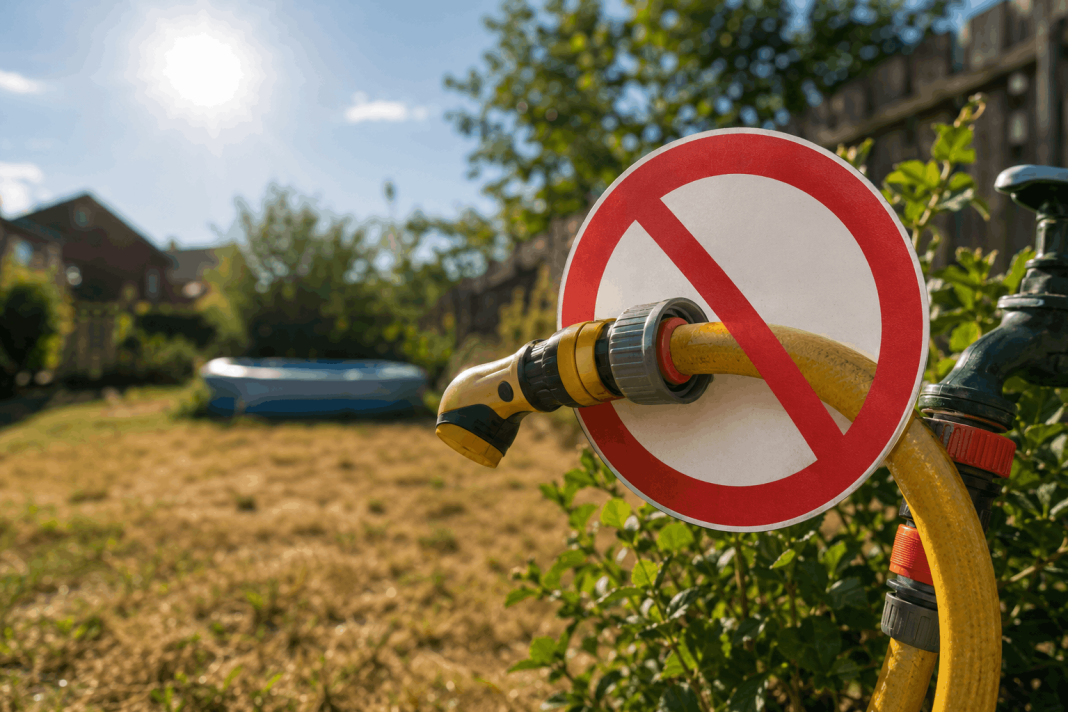
Residents cannot use a hosepipe to water gardens, clean patios, wash private vehicles, fill ornamental ponds, top up swimming pools, or clean driveways. These activities place significant pressure on the network during periods of exceptional demand.
People can still water plants using watering cans or buckets. Essential household water use remains unaffected, including drinking, cooking, bathing, and flushing toilets.
Businesses operating under specific exemptions, such as professional window cleaners and some commercial operators, may continue using water under existing guidelines.
Anyone who ignores the restrictions could face fines of up to £1,000 once enforcement begins.
Kent Hosepipe Ban Sparks Public Frustration
Many customers have reacted with disappointment after hearing about the restrictions.
Some argue that higher water bills should have resulted in stronger infrastructure capable of coping with increased demand. Earlier this year, average annual bills rose to around £324, adding to household costs during an already challenging economic period.
South East Water has also faced criticism over leakage rates. Millions of litres of treated water continue to be lost through ageing pipes every day, leading some residents to question whether customers are carrying too much responsibility.
Others, however, recognise that reducing water use is necessary during periods of exceptional weather. Community groups have encouraged neighbours to work together to protect essential supplies for hospitals, schools, and vulnerable residents.
Kent Hosepipe Ban Supports Reliable Water Supplies
Water companies say temporary restrictions help avoid more serious problems later.
Reducing outdoor water use allows treatment plants to maintain stable water pressure throughout the network. This is particularly important for homes located on higher ground or at the end of supply pipelines.
Lower demand also helps reduce the risk of emergency interruptions, ensuring that emergency services, healthcare facilities, and care homes continue receiving reliable supplies.
At the same time, South East Water continues investing in new reservoirs, upgraded treatment facilities, and improved distribution networks designed to strengthen long-term resilience against future heatwaves.
Kent Hosepipe Ban Raises Questions About Water Bills
The announcement has renewed debate about water pricing and infrastructure investment.
Customers continue to face increasing household bills while experiencing temporary restrictions during periods of extreme weather. Many believe more investment should have taken place before demand reached current levels.
Water companies argue that upgrading ageing infrastructure requires significant long-term funding. Projects aimed at reducing leakage, expanding storage capacity, and modernising treatment plants take several years to complete.
Industry experts say balancing affordable bills with future investment remains one of the biggest challenges facing the UK’s water sector.
Kent Hosepipe Ban Encourages Simple Water Saving
Every household can help reduce pressure on the network during hot weather.
Take shorter showers instead of baths whenever possible. Repair leaking taps quickly, as small leaks waste surprising amounts of water over time.
Use watering cans instead of hosepipes and water gardens during the evening to reduce evaporation. Reusing greywater for outdoor plants can also reduce demand without affecting essential household needs.
Small daily changes made by thousands of households can significantly reduce overall water consumption during periods of extreme heat.
Kent Hosepipe Ban Highlights Wider Heatwave Challenges
The ongoing heatwave has affected far more than water supplies.
Rail operators introduced speed restrictions as tracks expanded in the heat. Some schools adjusted opening hours to protect pupils from extreme temperatures. Health officials also warned people never to leave children or pets inside parked vehicles.
Meteorologists expect thunderstorms to follow the heatwave in some areas. While rainfall may provide temporary relief, heavy downpours could also increase the risk of flash flooding and local power outages.
These rapidly changing weather conditions highlight the growing impact of climate change on everyday life across the UK.
Kent Hosepipe Ban Shows Why Future Planning Matters
The current restrictions are expected to remain temporary. South East Water will continue monitoring reservoir levels, customer demand, and weather forecasts before deciding when they can be lifted.
Climate experts predict hotter summers and longer dry periods will become increasingly common. Population growth is also expected to place greater pressure on water supplies across southern England.
Continued investment in reservoirs, treatment facilities, and leak reduction programmes will play an important role in improving long-term water security. Until then, responsible water use remains one of the simplest ways households can help protect supplies during future heatwaves.

Nuwan Wackwella is a digital creator passionate about technology, creativity, and sharing inspiring moments from everyday life.