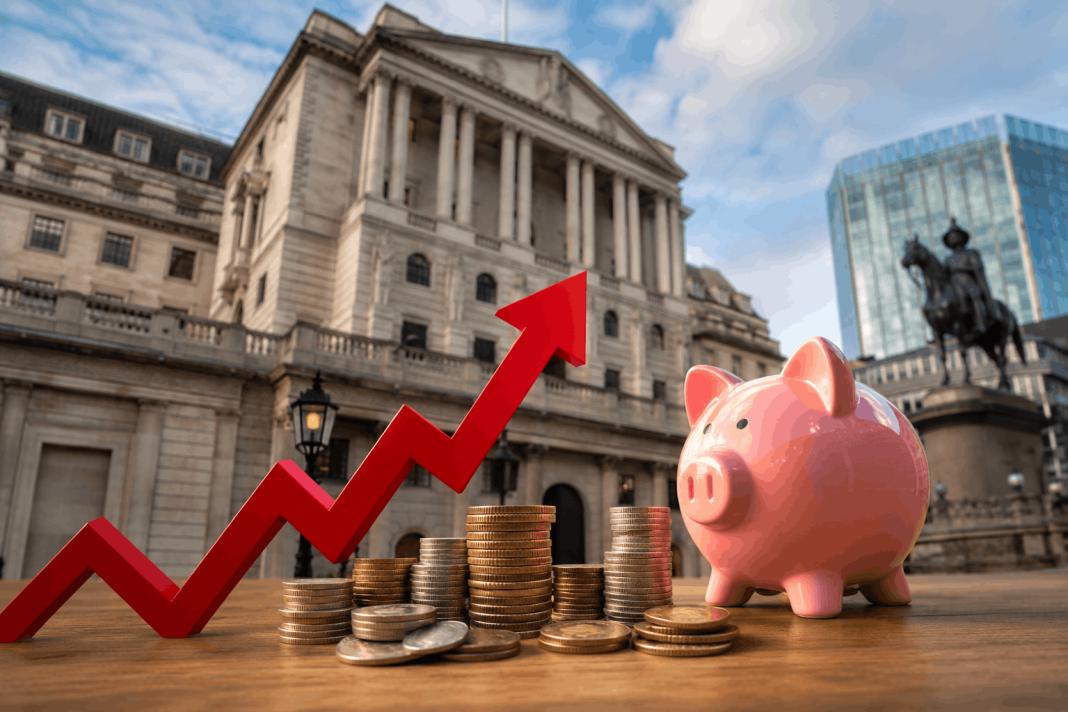
UK Interest Rates Hold Steady as Inflation Risks Persist
UK Interest Rates remain in the spotlight after the Bank of England decided to keep its base rate at 3.75%. The move comes as inflation remains above the central bank’s target and global economic uncertainty continues to influence financial markets. Millions of homeowners, borrowers, and savers will be watching closely to see what happens next.
The decision was widely expected by economists. However, policymakers stressed that inflation risks have not disappeared. As a result, the Bank is taking a cautious approach while monitoring economic conditions across the UK and abroad.
Why UK Interest Rates Remained Unchanged
First, the Bank of England’s Monetary Policy Committee voted 7-2 to leave borrowing costs unchanged. While most members supported holding rates steady, two policymakers preferred a further increase due to concerns about inflation.
Energy prices played a major role in the decision. Although oil prices have eased from recent highs, they remain above levels seen before tensions in the Middle East escalated. Policymakers believe these factors could still place upward pressure on prices across the economy.
The Bank also noted that inflation remains unpredictable. Therefore, officials want more evidence that price growth is moving sustainably toward the 2% target before making any major policy changes.
How Inflation Shapes UK Interest Rates
Next, inflation continues to be the biggest challenge facing policymakers. Recent data showed consumer prices rising at a faster pace than the Bank would like.
Higher costs for services, food, and energy continue to affect households across the country. While some inflation pressures have eased, others remain stubbornly high.
Bank of England Governor Andrew Bailey said inflation is moving in the right direction but warned that risks remain. Consequently, the central bank believes patience is necessary before considering any future rate cuts.
What UK Interest Rates Mean for Mortgage Holders
For homeowners, the latest decision provides some short-term certainty. Borrowers on tracker mortgages will see no immediate changes to their monthly repayments because the base rate has not moved.
However, mortgage costs remain significantly higher than they were several years ago. Many households coming off fixed-rate deals are still facing increased monthly payments.
Lenders have become more cautious due to economic uncertainty. As a result, mortgage rates may remain relatively stable until markets gain greater confidence about the direction of future monetary policy.
How UK Interest Rates Affect Savers
Meanwhile, savers continue to benefit from higher borrowing costs. Banks and building societies have generally offered better returns on savings accounts since rates increased.
Keeping rates at 3.75% means many savings products are likely to remain attractive in the near term. This is welcome news for people looking to grow their savings while inflation gradually cools.
Financial experts still recommend comparing accounts regularly. Doing so can help consumers secure the best available returns and protect the value of their money.
Labour Market Trends and UK Interest Rates
The employment market is also influencing future policy decisions. Recent figures suggest that hiring activity has slowed, while job vacancies have fallen to their lowest level in several years.
A softer labour market can help reduce inflation because wage growth may ease over time. However, weaker hiring also raises concerns about economic growth and business confidence.
The Bank of England must balance these competing factors carefully. Policymakers want inflation under control without causing unnecessary harm to the wider economy.
Global Factors Driving UK Interest Rates
International developments remain an important consideration. Energy markets, geopolitical tensions, and global trade conditions all influence inflation and economic growth.
The recent easing of tensions in the Middle East has helped reduce some pressure on oil prices. Nevertheless, policymakers remain cautious because energy markets can change quickly.
Central banks around the world are facing similar challenges. Some have maintained current borrowing costs, while others continue to adjust policy in response to inflation data and economic performance.
Future Outlook for UK Interest Rates
Looking ahead, economists remain divided about the next move. Some analysts expect borrowing costs to stay unchanged for several months if inflation continues to moderate.
Others believe another increase could still be possible if price pressures remain stronger than expected. Much will depend on future inflation reports, wage growth figures, and broader economic trends.
The Bank has repeatedly stated that decisions will be guided by incoming data. Therefore, households and businesses should expect policymakers to remain flexible as conditions evolve.
Economic Impact of UK Interest Rates
The decision affects more than mortgages and savings accounts. Businesses also rely on borrowing to invest, hire staff, and expand operations.
Higher financing costs can reduce investment activity. At the same time, maintaining stable borrowing costs helps provide certainty during periods of economic uncertainty.
Consumers, businesses, and investors will all be watching closely for signals about future policy changes. Every rate decision has a ripple effect across the wider economy.
Conclusion: The Road Ahead for UK Interest Rates
Finally, the latest decision highlights the difficult balancing act facing the Bank of England. Inflation remains above target, but economic growth continues to show signs of slowing.
By keeping rates at 3.75%, policymakers have chosen stability while they assess incoming economic data. The decision offers short-term certainty for borrowers and savers alike.
The outlook remains uncertain. However, future UK Interest Rates decisions will continue to shape borrowing costs, savings returns, business investment, and the overall health of the UK economy.

Nuwan Wackwella is a digital creator passionate about technology, creativity, and sharing inspiring moments from everyday life.