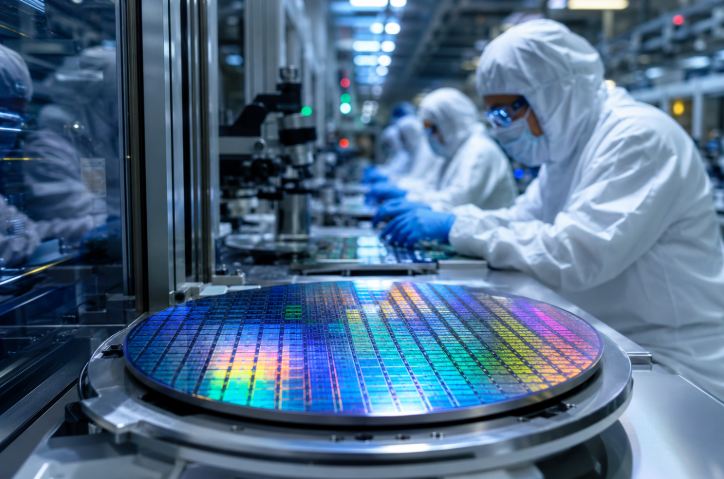
Samsung AI bonuses are making headlines across the global technology industry. Employees in the semiconductor division of Samsung Electronics could receive bonuses worth up to £310,000 after a new AI-focused profit-sharing agreement.
The move comes as demand for AI memory chips continues to surge worldwide. The agreement not only rewards workers but also helps Samsung avoid damaging strike action during one of the most profitable periods in semiconductor history.
Industry experts believe this could become a major turning point for how large technology firms reward employees during the ongoing AI boom.
Why Samsung AI Bonuses Matter to Workers
The newly approved deal allocates 10.5% of semiconductor operating profits toward employee rewards. Most of these payments will arrive as company stock, giving workers a direct stake in Samsung’s future performance.
The agreement followed months of negotiations between Samsung management and labor unions. Around 74% of voting union members approved the proposal, helping end fears of production disruptions.
For many workers, the scale of the bonuses is extraordinary. Employees earning average salaries could receive payouts far beyond their yearly income. This reflects how profitable the AI memory chip market has become.
The agreement also demonstrates how competitive the semiconductor labor market is becoming. Skilled engineers and chip specialists are now some of the most valuable workers in the global technology economy.
For more semiconductor industry coverage, you can gothrough with AMD Data Center Growth Powers Strong AI Revenue Surge.
Samsung AI Bonuses Highlight the AI Chip Boom
The rapid rise of AI applications has transformed the semiconductor market. Modern AI systems require advanced memory chips capable of processing enormous amounts of data at high speed.
This demand has pushed memory chip prices sharply higher over the past year. As a result, companies involved in semiconductor manufacturing are seeing record profits.
SK Hynix and Micron Technology also benefited from the trend. Investor confidence surged as AI adoption accelerated across industries.
The market is no longer focused only on graphics processors. Memory chips now play a critical role in supporting AI workloads inside cloud platforms, data centers, and enterprise AI systems.
How Samsung AI Bonuses Prevented Major Disruption
The timing of the agreement is especially important. Samsung had faced growing labor tensions for months. Workers demanded better compensation after seeing semiconductor profits rise sharply because of AI demand.
Without an agreement, strikes could have interrupted global chip production. That would have created serious supply chain issues for technology companies worldwide.
Instead, Samsung secured operational stability while improving employee morale. The South Korean government reportedly helped mediate discussions between both sides.
This outcome matters because semiconductor production remains highly sensitive. Even short disruptions can affect global electronics manufacturing, cloud infrastructure projects, and AI hardware deployments.
The deal therefore protects not only Samsung’s production capacity but also its relationships with major international customers.
Samsung AI Bonuses Reflect Industry-Wide Competition
The semiconductor industry is entering a new era of competition fueled by AI expansion. Companies are now fighting for:
- Advanced manufacturing capacity
- Skilled engineering talent
- AI infrastructure contracts
- Memory chip dominance
Because of this, employee retention has become increasingly important.
Large bonus packages can help companies keep highly trained workers from moving to competitors. They also encourage employees to remain focused during periods of intense market demand.
Nvidia Quarterly Results Reveal Massive AI Growth and Future
At the same time, the agreement could create pressure inside Samsung itself. Employees in other divisions may question why semiconductor workers receive much larger rewards than teams in consumer electronics or mobile devices.
Still, Samsung appears willing to accept that risk in order to protect its most profitable business segment. AI Market Rally Drives Stocks Despite Economic Fears.
Samsung AI Bonuses Could Influence Other Tech Firms
Many analysts believe Samsung’s approach may inspire similar profit-sharing models elsewhere.
Technology companies are under pressure to show employees they benefit from AI-driven growth. Workers increasingly expect compensation that reflects the enormous profits generated by artificial intelligence.
This trend could expand beyond semiconductors into:
- Cloud computing
- Enterprise AI platforms
- Robotics
- Cybersecurity
- AI software development
Companies that fail to reward employees competitively could face hiring challenges or labor disputes in the future.
Meanwhile, workers who receive stock-based rewards gain stronger incentives to help companies succeed long term. This creates closer alignment between staff performance and corporate growth.
Samsung AI Bonuses Show the Human Side of AI Growth
Much of the public discussion around artificial intelligence focuses on technology itself. However, stories like this reveal the human impact behind the AI revolution.
The people designing, manufacturing, and supporting semiconductor technology are now benefiting directly from AI-driven demand.
For younger workers especially, these rewards could provide long-term financial security. Stock-based compensation may also help employees build wealth if Samsung’s semiconductor business continues expanding.
At the same time, the story highlights broader economic changes happening around the world. AI is not only transforming software and automation. It is also reshaping labor markets, manufacturing strategies, and corporate compensation models.
The semiconductor sector now sits at the center of the global AI economy.
The Future of Samsung AI Bonuses and Chip Markets
The memory chip market continues growing as businesses invest heavily in artificial intelligence infrastructure.
New AI applications require faster and more efficient chips. This demand is expected to continue for years as companies build larger AI systems and cloud platforms.
Samsung’s profit-sharing agreement may therefore become a blueprint for balancing corporate profits with employee satisfaction.
The company avoided operational disruption, strengthened worker morale, and reinforced its position in the global semiconductor race.
In the end, Samsung AI bonuses represent more than large payouts. They reflect the massive economic transformation created by artificial intelligence and the growing importance of the workers powering this new digital era.

I’m an Online Media & PR Strategist at BusinessFits, passionate about digital storytelling and media impact. As a journalist, blogger, and SEO specialist, I create content that connects, informs, and ranks.