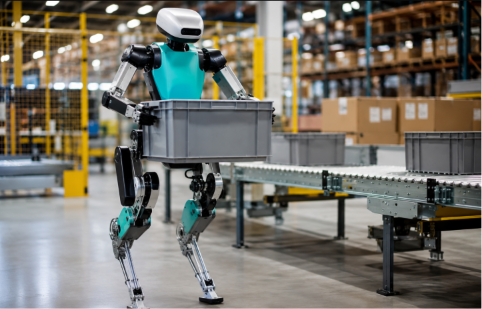
AI Stock Sell-Off Sparks Global Market Turbulence
The AI Stock Sell-Off has become one of the biggest market stories of 2026. Investors across the world watched as major technology stocks lost billions in value within days. The sudden decline spread from Wall Street to Asia, raising fresh concerns about artificial intelligence valuations, corporate debt, and future growth prospects.
For much of the year, AI-related companies fueled stock market gains. However, recent events have reminded investors that rapid growth can quickly reverse. The latest market downturn has triggered questions about whether the AI boom is entering a correction phase or facing deeper challenges. AI Boom Stocks Slide as Global Markets React to Tech Fears.
AI Stock Sell-Off Sends Shockwaves Through Wall Street
The market decline began in the United States, where technology stocks faced heavy selling pressure. The Nasdaq opened sharply lower, falling around 2% as investors rushed to reduce exposure to high-growth technology companies.
Several major firms led the downturn. Alphabet, the parent company of Google, suffered a notable decline after reports emerged that several important AI researchers had left the company. Investor confidence weakened as concerns grew over maintaining leadership in the highly competitive AI sector.
At the same time, SpaceX experienced a dramatic drop in value. The company’s shares fell sharply despite strong investor interest following its public market debut. Concerns surrounding fundraising plans and increasing debt obligations contributed to the negative sentiment. SpaceX Stock Listing Makes Musk Near Trillionaire Status.
The concentration of technology companies within major stock indexes also amplified the impact. Today, a handful of AI-focused firms account for a significant portion of the S&P 500’s total value, making the broader market highly sensitive to movements in the tech sector.
Why AI Stock Sell-Off Concerns Are Growing
Several factors contributed to the recent market decline.
First, investors reacted to signals from the Federal Reserve regarding possible future interest rate increases. Higher interest rates typically make borrowing more expensive and reduce the attractiveness of growth stocks. Federal Reserve Official Updates
Next, concerns about corporate spending intensified. Many AI companies continue investing heavily in data centers, cloud infrastructure, and advanced semiconductor technology. While these investments support future growth, they also increase financial risk if expected returns fail to materialize.
Analysts estimate that AI-related borrowing could exceed hundreds of billions of dollars this year. Such large-scale spending has led some investors to question whether companies can generate sufficient profits to justify current valuations.
Market observers have also started comparing today’s environment to previous technology booms. While most experts do not believe conditions exactly mirror the dot-com bubble, concerns about excessive optimism have become more common.
AI Stock Sell-Off Hits Asian Markets Hard
The impact quickly spread beyond the United States.
Following Wall Street’s decline, major Asian stock markets recorded significant losses. Technology-heavy sectors experienced some of the largest drops as investors responded to growing uncertainty surrounding global AI investments.
AI Stock Sell-Off Pressures South Korean Technology Firms
South Korea experienced one of the sharpest market reactions. The country’s benchmark stock index fell substantially as investors sold semiconductor and technology shares.
Major chip manufacturers including Samsung Electronics and SK Hynix recorded double-digit declines. These companies play critical roles in supplying memory chips and hardware used in AI systems worldwide.
Their losses reflected broader concerns that slower AI investment growth could reduce future demand for advanced semiconductor products.
AI Stock Sell-Off Weighs on Japanese Markets
Japan also felt the effects of the technology downturn. The benchmark Nikkei 225 closed significantly lower as investors reduced exposure to technology-related holdings.
The rapid spread of losses highlighted how interconnected modern financial markets have become. Developments in the United States can now influence trading activity across Asia within hours.
AI Stock Sell-Off Raises Questions About Future Growth
The recent downturn has shifted investor focus from AI excitement to financial sustainability.
For much of the past two years, artificial intelligence has been viewed as the primary driver of future economic growth. Companies announced ambitious expansion plans, invested heavily in infrastructure, and attracted massive amounts of investor capital.
However, many investors now want clearer evidence that these investments will generate meaningful profits.
Businesses spending billions on AI development face growing pressure to demonstrate measurable returns. Analysts are increasingly scrutinizing revenue growth, operating costs, and long-term profitability rather than simply rewarding companies for announcing new AI initiatives.
This shift in investor expectations has contributed significantly to recent market volatility.
How the AI Stock Sell-Off Affects Everyday Investors
The market correction has not only impacted large institutions.
Millions of individual investors hold retirement accounts, pension funds, and exchange-traded funds that contain significant technology exposure. As major AI-related stocks declined, many diversified investment portfolios also experienced losses.
Technology-focused funds were particularly affected because many hold substantial positions in leading AI companies. Investors who concentrated heavily in a small number of technology stocks experienced even greater volatility.
Financial advisors continue emphasizing diversification as a way to manage risk during uncertain market conditions. While technology remains an important long-term investment theme, recent events demonstrate the importance of balancing exposure across different sectors.
What Comes Next After the AI Stock Sell-Off?
Investors are now closely monitoring several developments that could determine market direction.
First, upcoming Federal Reserve decisions will influence borrowing costs and investor sentiment. Any indication of additional rate increases could place further pressure on high-growth companies.
Next, quarterly earnings reports will provide valuable insight into how effectively businesses are converting AI investments into profits. Strong results could help restore confidence and stabilize markets.
Finally, future AI breakthroughs may play an important role in shaping investor expectations. New technological advances that demonstrate real commercial value could support renewed optimism across the sector.
AI Stock Sell-Off Highlights Market Risks and Opportunities
The AI Stock Sell-Off serves as a reminder that even the most popular investment themes can face sudden setbacks. While artificial intelligence continues to transform industries worldwide, investors are becoming more focused on profitability, debt levels, and sustainable growth.
Market volatility is likely to remain elevated in the coming months. However, periods of uncertainty often create opportunities for disciplined investors willing to focus on long-term fundamentals.
As companies continue building the next generation of AI technologies, the balance between innovation and financial performance will remain one of the most important stories shaping global markets throughout 2026.

Hello there! I’m Online Media & PR Strategist at BusinessFits | Passionate Journalist, Blogger, and SEO Specialist