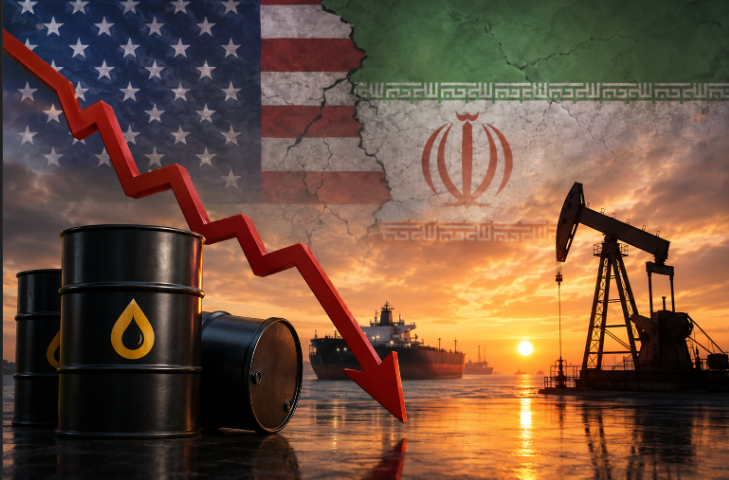
Global energy markets reacted positively after reports suggested progress toward a possible US-Iran peace agreement. Oil Prices Dip became one of the biggest financial stories of the week as Brent crude fell below $100 a barrel for the first time in two weeks.
The sudden price drop brought relief to investors, businesses, and households already struggling with high fuel and transport costs. Stock markets climbed while inflation fears eased slightly. However, analysts continue to warn that geopolitical risks remain high, especially around the Strait of Hormuz.
For now, the decline signals a shift in market mood after weeks of tension in the Middle East.
Why Oil Prices Dip After Iran Deal Signals
Brent crude futures dropped by more than 5%, sliding below the key $100 mark. Traders reacted quickly after reports indicated that Washington and Tehran may be moving closer to a temporary peace arrangement.
The market had previously feared a prolonged disruption to global oil supply. Missile strikes, military threats, and shipping disruptions pushed energy prices sharply higher throughout recent weeks.
Now, optimism around negotiations is changing investor expectations.
A successful agreement could reduce tensions in the Gulf region and reopen shipping routes that were affected during the conflict. That possibility alone was enough to trigger a major selloff in crude prices.
Financial analysts say markets are highly sensitive to any developments involving Iran because the country remains a major influence in global energy supply.
How Oil Prices Dip Affects the Strait of Hormuz
The Strait of Hormuz remains one of the world’s most important oil transit routes. Nearly one-fifth of global oil shipments pass through the narrow waterway every day.
During the recent conflict, Iran restricted tanker movements in the area. That disruption caused panic in commodity markets and increased fears of supply shortages.
Now that diplomatic talks appear to be improving, traders believe the pressure on shipping routes could ease.
The Strait of Hormuz handles a major share of global crude shipments based on global oil transit data.
If the blockade is removed, oil exports from the Gulf region may normalize again. That would help stabilize fuel supplies worldwide and reduce pressure on energy markets.
Still, experts warn the situation remains fragile. Any breakdown in talks could quickly reverse the recent decline in prices.
Expert Analysis on Why Oil Prices Dip
Market strategists remain cautious despite the positive reaction from investors.
According to analysts at ING, previous negotiations between the US and Iran have collapsed several times before reaching final approval. Investors therefore remain alert for sudden changes in direction.
Independent market strategist Stephen Innes explained that falling oil prices are helping reduce fears around global inflation. Lower energy costs often improve confidence across financial markets because they reduce pressure on businesses and consumers.
Gold prices also climbed slightly as investors balanced optimism with caution. Treasury futures strengthened as traders increased bets that central banks may eventually lower interest rates if inflation cools.
The broader market reaction shows how deeply connected energy prices are to the global economy.
Oil Prices Dip and the Global Economy
High energy prices have been a major driver of inflation over the last year. Rising transport and manufacturing costs pushed food prices, airline tickets, and household bills higher across many countries.
Central banks including the Bank of England and the Federal Reserve delayed interest-rate cuts partly because of energy-related inflation risks. High energy prices have been a major driver of inflation over the last year. You can read more about the UK’s UK Inflation Outlook Slows as Costs Keep Rising in our latest analysis.
Now, falling crude prices may slightly improve the outlook.
Lower oil costs could reduce pressure on transport companies, logistics firms, and manufacturers. Businesses that rely heavily on fuel may eventually pass savings on to customers.
Consumers could also benefit if petrol prices begin to decline in the coming weeks.
However, economists warn that one day of falling prices does not guarantee long-term stability. Global markets remain extremely sensitive to political developments in the Middle East.
What Oil Prices Dip Means for Consumers
Drivers may be the first to notice changes if crude prices continue falling. Petrol stations often adjust prices after wholesale fuel costs decline.
Airlines could also benefit from lower jet fuel expenses. Some travel companies may eventually reduce fuel surcharges if oil remains below recent highs.
Shipping and delivery firms may experience lower operating costs as well. That could ease pressure on online retailers and supermarkets dealing with higher transport expenses.
Still, experts caution that the effects will not happen immediately. Many households are still facing serious Cost Support Pressure Grows as Unions Demand Bolder Action despite the recent drop in oil prices.
Fuel contracts, supply agreements, and refinery costs all influence retail prices. Consumers may therefore need to wait several weeks before seeing noticeable savings.
Despite that delay, the latest market movement offers some optimism after months of economic uncertainty.
Background Behind the Oil Prices Dip Story
The recent conflict began after military strikes involving the US, Israel, and Iran escalated tensions across the region earlier this year.
Fears of wider conflict caused oil prices to surge rapidly. Investors worried that supply disruptions could spread beyond Iran and affect multiple Gulf producers.
The closure of shipping routes intensified those concerns. Global supply chains faced delays while energy traders anticipated potential shortages.
Recent diplomatic signals have changed market expectations. Statements from both American and Iranian officials suggest that negotiations are progressing, although no final agreement has yet been confirmed.
Analysts say traders will continue reacting strongly to every update from negotiators.
Looking Ahead After Oil Prices Dip
The next few weeks will likely determine whether the current market optimism continues.
If negotiators secure a formal agreement, oil prices could decline further. That would improve sentiment across stock markets and ease inflation concerns worldwide.
On the other hand, renewed tensions or failed talks could quickly push prices higher again.
Energy markets remain extremely volatile because geopolitical developments can shift expectations within hours. Investors, businesses, and consumers will therefore continue watching the situation closely.
For now, the fact that Oil Prices Dip below the $100 level provides temporary relief for global markets and households facing rising living costs.

Hello there! I’m Online Media & PR Strategist at BusinessFits | Passionate Journalist, Blogger, and SEO Specialist