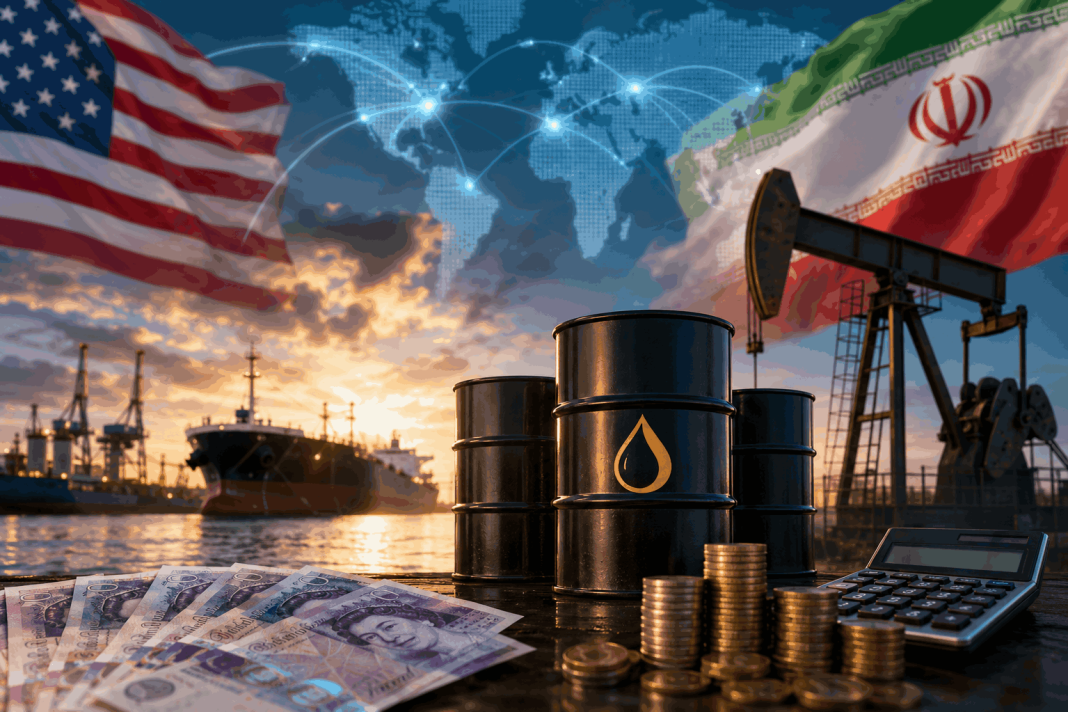
US-Iran Peace Deal Lowers Oil Prices and Household Costs
The US-Iran Peace Deal is already influencing global energy markets and household budgets. Oil prices fell sharply after diplomatic progress reduced fears of supply disruptions in the Middle East. As markets react positively, consumers could benefit from lower fuel costs, easing inflation, and potentially cheaper energy bills in the months ahead.
Recent negotiations between Washington and Tehran have helped calm concerns about the security of key oil shipping routes. Investors responded quickly, sending crude prices lower and increasing expectations of stable global energy supplies. While challenges remain, the agreement has created optimism across financial and commodity markets.
US-Iran Peace Deal Drives Oil Market Recovery
Oil traders closely monitor geopolitical developments because supply disruptions can quickly push prices higher. Earlier this year, concerns intensified when Iran threatened activity around the Strait of Hormuz, one of the world’s most important oil transit routes.The US-Iran Peace Deal changed market sentiment almost immediately. Following diplomatic talks in Switzerland, both sides agreed to continue technical discussions and work toward a broader framework aimed at reducing tensions.
As confidence improved, Brent crude prices fell below $80 per barrel, while West Texas Intermediate (WTI) crude also recorded significant declines. Investors began pricing in a lower risk of supply shortages and a return to more balanced market conditions.
US-Iran Peace Deal and the Return of Oil Supply Confidence
One of the biggest impacts of the agreement is renewed confidence in global supply chains. Energy companies, shipping operators, and commodity traders view reduced tensions as a positive sign for future oil flows.
The reopening of critical shipping lanes has strengthened expectations that crude exports from the region can move without major disruptions. This development reduces uncertainty and helps stabilize global energy markets.
Analysts note that inventories remain healthy in many regions. Combined with stronger supply expectations, this has contributed to the recent decline in crude prices. Some market observers now believe the risk of an oil glut has increased if demand growth slows later this year.
US-Iran Peace Deal Benefits UK Drivers
For consumers, the most visible impact of falling oil prices is at the fuel pump. Petrol and diesel prices often respond relatively quickly when wholesale energy costs decline.
UK motorists have already seen fuel prices ease in recent weeks. Lower crude costs reduce expenses for refiners and fuel distributors, creating opportunities for savings across the transport sector.
The US-Iran Peace Deal could support further reductions if oil markets remain stable. Families that rely heavily on personal vehicles may notice meaningful savings over time, especially during holiday travel periods.
Transport businesses could also benefit from lower operating costs. These savings sometimes flow through to consumers in the form of lower delivery and logistics expenses.
US-Iran Peace Deal Supports Inflation Relief
Lower energy costs affect much more than fuel prices. Transportation expenses influence the price of many everyday goods, including food, household products, and consumer services.
When fuel becomes cheaper, businesses often experience lower operating costs. This can help slow inflation and reduce pressure on consumers already facing higher living expenses.
Retailers have expressed cautious optimism that declining transport and energy costs could contribute to more stable pricing throughout the year. While inflation remains a concern, lower oil prices offer some relief for businesses and households alike.
Consumers may eventually see benefits through slower price increases at supermarkets and retail stores. This would provide additional support to family budgets already stretched by recent economic challenges.
US-Iran Peace Deal and Household Energy Bills
Energy bills remain a major concern for households across the UK and Europe. Although seasonal factors and regulatory price caps continue to influence costs, wholesale energy prices play a significant role in determining future bills.
The US-Iran Peace Deal has helped reduce concerns about disruptions to global energy supplies. As wholesale oil and gas prices stabilize, energy providers may face less upward pressure on pricing.
Immediate reductions in household bills are unlikely. However, sustained market stability could contribute to lower costs during future pricing periods, particularly during winter when energy demand typically rises.
Many analysts believe that continued diplomatic progress would provide greater certainty for energy markets and support longer-term affordability.
US-Iran Peace Deal Helps Financial Markets
Financial markets also responded positively to the diplomatic breakthrough. Falling oil prices often improve economic outlooks by reducing inflationary pressure and lowering business costs.
Bond markets reacted favorably, and swap rates eased in several regions. These developments have encouraged some lenders to introduce more competitive mortgage products.
Homebuyers and homeowners approaching remortgaging periods may find improved borrowing options if market conditions remain stable. Although interest rates depend on many factors, reduced energy-driven inflation is generally viewed as supportive for financial stability.
Risks Facing the US-Iran Peace Deal
Despite encouraging progress, risks remain. Diplomatic agreements often require months of negotiation and implementation before lasting results become visible.
Political disagreements could still emerge during future discussions. Any disruption to negotiations could quickly change market expectations and trigger renewed volatility in oil prices.
Investors continue to monitor developments closely. While the current outlook appears positive, energy markets remain sensitive to geopolitical events across the Middle East.
The success of the US-Iran Peace Deal ultimately depends on continued cooperation, transparent communication, and long-term commitments from all parties involved.
US-Iran Peace Deal Outlook for Consumers
For households, the agreement offers cautious optimism. Lower fuel prices, reduced inflation pressure, and potential energy savings represent meaningful economic benefits if current trends continue.
Consumers can take practical steps by monitoring fuel prices, reviewing energy tariffs, and comparing mortgage options as market conditions evolve. Small financial decisions today may help maximize future savings.
The US-Iran Peace Deal demonstrates how international diplomacy can directly affect everyday life. From petrol stations to energy bills and mortgage rates, global events often shape household finances in unexpected ways.
If negotiations continue successfully and critical shipping routes remain open, consumers could enjoy longer-term benefits from more stable energy markets and lower living costs. For now, markets are responding positively, and many households have reason to welcome the early signs of relief.

Nuwan Wackwella is a digital creator passionate about technology, creativity, and sharing inspiring moments from everyday life.