Crude Oil Prices Fall as Middle East Tensions Ease
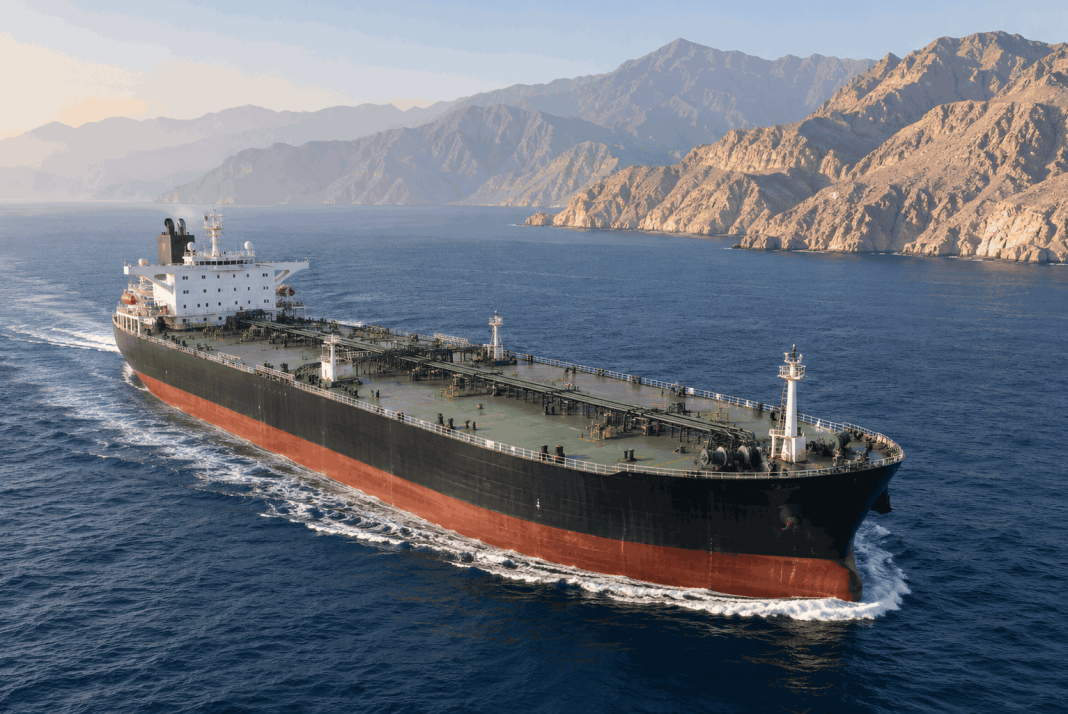
Crude oil prices fell on Tuesday, 10 November, after US President Donald Trump said he would hold off on further strikes against Iran for now. The comments eased fears that a wider conflict would disrupt oil supplies from the Middle East. Brent extended Monday’s sharp losses, while the US benchmark also moved lower. Shipping through the Strait of Hormuz remained at risk.
At 07:59 GMT on Tuesday, Brent futures were down 1.7% at $90.99 a barrel. West Texas Intermediate, the US benchmark, fell 1.8% to $85.20. The move followed a 5.85% drop in Brent on Monday, when it touched its lowest level since 31 August. Those figures capture early trading on Tuesday, and the benchmarks can move again before the session closes.
The drop could ease pressure on fuel costs if it lasts. For drivers, the most relevant figures will be the prices charged at local filling stations over the coming days. For transport firms, the bigger question is whether wholesale diesel stays cheaper long enough to affect their next round of fuel purchases.
Why Crude Oil Prices Fell After Trump’s Remarks
Trump said on Monday that he would pause plans for fresh strikes after appeals from countries in the region. Qatar’s prime minister was among the officials involved in the talks. For traders, the decision reduced the immediate chance that a new round of attacks would interrupt production or delay more shipments. That change in expectations was enough to push futures lower.
Oil traders often pay more when they expect supply to become harder to secure. That extra cost is known as a risk premium. When the threat of an immediate disruption eases, buyers may be less willing to pay it. The price can therefore fall before any extra barrels reach the market.
Brent had reached a six-month high of $118 a barrel on 30 October as concerns about an escalation grew. Its retreat since then shows how quickly expectations have shifted. Still, the US plans to maintain its naval blockade in the Strait of Hormuz, and attacks on ships have continued. A fresh disruption could put some of that risk premium back into the market.
For context on the earlier swings, see our coverage of Middle East peace talks and oil markets.
How OPEC Output Is Shaping Crude Oil Prices
The supply picture also put downward pressure on the market. A survey found that the Organisation of the Petroleum Exporting Countries, or OPEC, produced slightly more oil in October. Saudi Arabia, Kuwait and Iraq led the increase. The gains came despite ongoing limits on exports.
Production figures show how much oil producers pump. Export figures show how much they can send to buyers abroad. When ports or shipping routes face delays, those two figures can move in different directions. Refiners that need a cargo on a particular date care as much about its arrival as they do about monthly production totals.
That distinction matters in the Strait of Hormuz, a narrow route that links Persian Gulf producers to global customers. Even when cargoes keep moving, a higher risk of attack can raise insurance and freight costs. Buyers may also look for alternative suppliers if they expect deliveries to arrive late. Those extra costs can soften the benefit of lower benchmark prices.
What Lower Crude Oil Prices Mean for Fuel Bills
A sustained fall in oil prices can lower the cost of making petrol and diesel. However, the amount drivers pay also reflects refining, distribution, taxes and retail margins. Filling stations may still be selling fuel bought when wholesale costs were higher. That helps explain why a drop in Brent can show up at the pump gradually. See how retail fuel prices are calculated.
Exchange rates matter too, especially for buyers outside the United States. Oil typically trades in dollars, so a weaker pound can offset part of a fall in the dollar price for UK buyers. Petrol and diesel can also move at different speeds because each has its own wholesale market. A driver who fills up with diesel may therefore see a different change from someone buying petrol.
For hauliers and delivery firms, the timing depends partly on how they buy fuel. Companies paying current wholesale rates may feel a sustained decline sooner. Others buy under contracts that reset on a fixed schedule. They may have to wait until the next pricing period before lower costs show up on their invoices.
Read more about how fuel costs affect UK drivers and businesses.
What Could Move Crude Oil Prices Next
The next test is whether diplomacy leads to safer shipping. Traders will watch for further US and Iranian statements, reports from the Strait of Hormuz and signs that more cargoes are reaching buyers. A run of safer crossings would help ease supply concerns. Further attacks or a change in US policy could quickly reverse the move.
Demand will also influence how long the decline lasts. As winter approaches in the Northern Hemisphere, colder weather can lift demand for some heating fuels. Refinery outages or strong diesel demand could also keep some fuel prices firm even if crude stays cheaper. Meanwhile, rising output and steady shipments would give buyers more room to meet their needs.
For now, the market has priced in a lower chance of immediate escalation. The next few trading sessions will show whether the decline holds as more information about shipping and exports comes in. For households and businesses, the effect will be clearer once those moves filter through to local fuel prices.

Nuwan Wackwella is a digital creator passionate about technology, creativity, and sharing inspiring moments from everyday life.