Crude Oil Prices Swing as Middle East Peace Hopes Face Tests
Crude oil prices are swinging sharply as Middle East peace hopes collide with fresh military tensions. Both major benchmarks fell more than 7% on Monday, November 2, before recovering ground on Tuesday. The reversal shows how quickly diplomatic optimism can fade when shipping routes remain under threat.
These movements matter far beyond energy trading desks. They influence fuel budgets, transport costs and business confidence around the world. However, changes in wholesale markets do not always reach petrol stations immediately.
For consumers and companies, the key question is whether negotiations can deliver lasting improvements in supply. Until then, headline-driven trading could keep energy markets unsettled.
First: Why Crude Oil Prices Fell on Peace Hopes
First, talks involving Iranian officials and Qatari mediators raised hopes that the conflict could move towards a settlement. Traders responded by reducing the extra amount they pay for possible supply disruptions. This added cost is often called a geopolitical risk premium.
Yet a sharp market fall does not confirm that an agreement is close. Traders often adjust positions before physical conditions improve. As a result, optimistic headlines can lower futures prices while tanker operators still face serious risks.
The distinction matters because negotiations and deliveries follow different timelines. Even successful talks would require practical steps before trade could return to normal. Shipping companies would need confidence that vessels, crews and cargoes could travel safely.
Next: How Crude Oil Prices Rebounded After Strikes
Next, reports of a US strike on Iran’s Qeshm Island weakened confidence in a quick diplomatic breakthrough. US officials described the operation as defensive and linked it to protecting commercial shipping. Meanwhile, an Iranian official indicated that the sides remained far from an agreement.
By 07:44 GMT on Tuesday, Brent had recovered to $106.61 a barrel. WTI stood at $98.06, with both benchmarks gaining more than 1.6%. These were intraday figures, rather than closing prices.
The rebound restored only part of Monday’s losses. Nevertheless, it showed that traders remained sensitive to further escalation. Military action near a vital export route can quickly change expectations about future deliveries.
This creates a difficult environment for businesses planning purchases. A company may see cheaper wholesale fuel one day and higher replacement costs the next. Consequently, short-term price movements offer limited certainty about longer-term energy expenses.
Then: Why Crude Oil Prices Depend on Shipping Routes
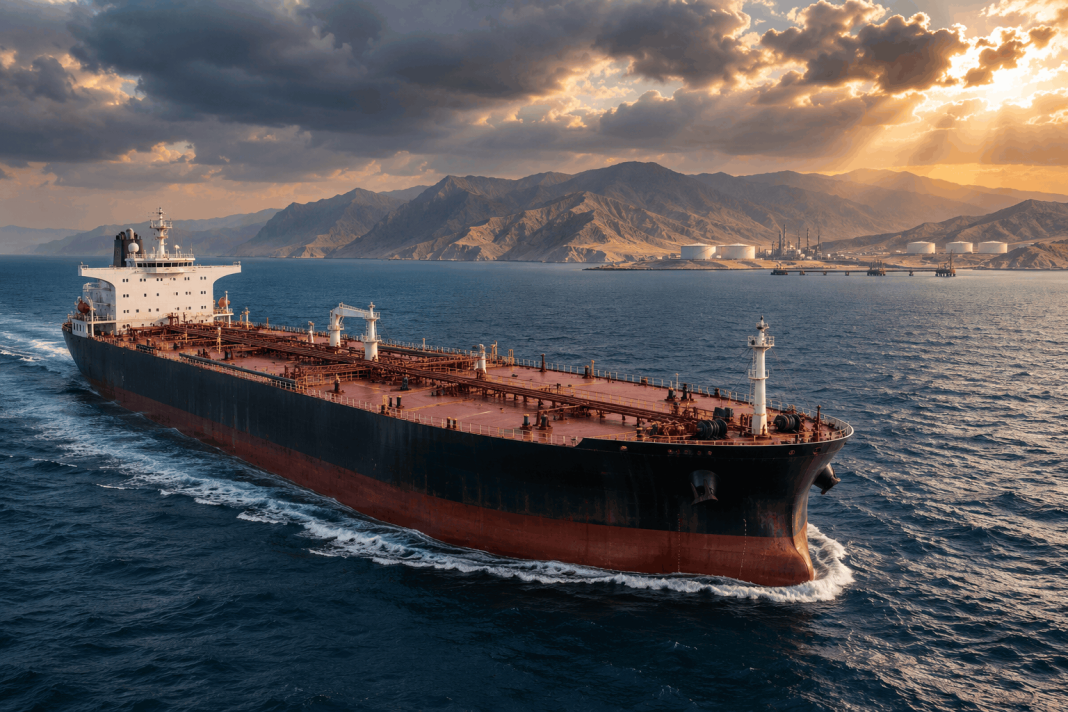
Then, attention turns to the Strait of Hormuz, a narrow passage connecting the Persian Gulf with wider markets. Many regional oil exports depend on this route. Threats to tanker movements can therefore affect buyers thousands of miles away.
The importance of maritime oil chokepoints helps explain this sensitivity. Narrow waterways concentrate trade into small areas, making disruptions especially costly. Delays can also complicate delivery schedules and refinery planning.
However, blocked Gulf exports cannot simply sail around another coastline. Much of the oil must first pass through Hormuz to leave the region. This makes the problem different from disruptions where ships can choose a longer ocean journey. U.S. Energy Information Administration (EIA)
Some pipeline alternatives exist through Saudi Arabia and the United Arab Emirates. Still, available routes cannot automatically replace every disrupted shipment. The limits of alternative export capacity remain central to understanding regional supply risks.
Meanwhile: How Crude Oil Prices Affect Households and Firms
Meanwhile, consumers often wonder why falling market benchmarks do not produce immediate savings at petrol stations. Crude is only one part of the final price. Refining, transport, taxes and retail costs also influence what drivers pay.
Retailers may also be selling fuel purchased before the latest market movement. Therefore, a sudden wholesale decline can take time to appear locally. Exchange rates can further strengthen or weaken the effect for countries buying dollar-priced oil.
Businesses face similar challenges through delivery charges, freight contracts and operating expenses. Airlines, manufacturers and logistics firms may experience different effects depending on their purchasing arrangements. Some companies secure prices in advance, while others remain more exposed to daily changes.
For related domestic context, see our [latest UK energy updates](/?s=UK+energy+bills). Energy markets are connected, although petrol, electricity and household gas prices follow different pricing systems. A movement in one market does not guarantee an identical change elsewhere.
Finally: What Could Shape Crude Oil Prices Next?
Finally, the outlook depends on more than diplomatic statements alone. Traders will watch whether negotiations produce clear agreements and safer commercial shipping. Evidence of reliable deliveries would provide stronger reassurance than hopeful comments without practical progress.
Further military action could push the market in the opposite direction. Damage to export facilities, threats against tankers or tighter shipping restrictions could increase supply concerns. However, the scale and duration of any disruption would influence the eventual price response.
Global demand also matters alongside regional security. Slower economic activity can reduce fuel consumption, while stronger industrial output can support demand. Production decisions, refinery needs and inventory changes add further moving parts.
Readers can explore our [oil market coverage](/?s=oil+prices) for broader context. Comparing developments over several sessions can be more useful than focusing on one dramatic headline. It also helps separate temporary trading reactions from sustained changes in supply.
For now, crude oil prices reflect a fragile balance between diplomatic hope and physical supply risk. Lasting relief would require credible progress on security and trade. Until that happens, consumers and businesses should expect continued uncertainty rather than assume one sharp fall marks a permanent turning point.

Nuwan Wackwella is a digital creator passionate about technology, creativity, and sharing inspiring moments from everyday life.