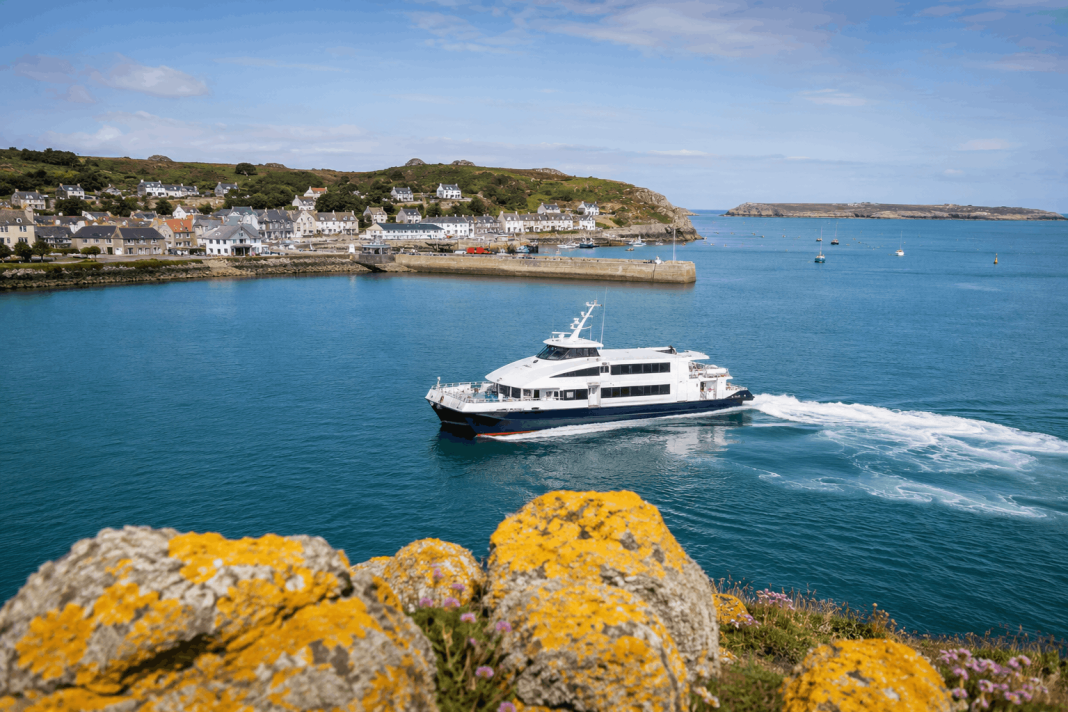
Alderney Ferry Service Plans Scrapped After Tender Failure
The future of the Alderney Ferry Service has taken an unexpected turn after plans for a publicly supported route between Alderney and Guernsey were abandoned. The decision follows a failed tender process that left officials unable to find a suitable operator capable of meeting the required standards.
For residents, businesses, and visitors, the outcome means higher travel costs and uncertainty about future transport links. While independent ferry operators will continue to serve the route, the withdrawal of subsidy support highlights the ongoing challenges of maintaining reliable connections between smaller Channel Islands.
Why the Alderney Ferry Service Tender Failed
The proposed Alderney Ferry Service subsidy was designed to support a seasonal route between Alderney and Guernsey. Officials hoped public funding would help secure a dependable operator capable of delivering consistent schedules, high safety standards, and quality passenger experiences.
However, after reviewing applications, Alderney’s Economic Development Committee concluded that none of the submitted bids met the necessary requirements. As a result, the tender process was terminated without a contract award.
Committee Chair Stuart Clark explained that while the decision was disappointing, public funds must only be allocated when there is clear evidence of value for money and long-term sustainability. Given current financial pressures, authorities felt unable to justify spending taxpayer money on proposals that did not fully satisfy expectations.
Alderney Ferry Service and Rising Travel Costs
One of the most immediate consequences of the decision is an increase in ticket prices. The operator currently serving the route, Alderney Ferry Services, had previously benefited from financial support that helped keep fares lower.
Without that assistance, the company announced fare increases across its ticket structure. Adult passengers now face one-way fares of up to £85, while children aged 14 and under will pay £67.50. Infant fares have also increased to £25.
For families travelling between the islands, these changes could significantly increase transport costs during the busy summer season. Business travellers and regular commuters may also feel the impact as travel expenses continue to rise.
Despite the increase, the operator stated that maintaining the route remains a priority and that the adjustments are necessary to ensure the service remains financially viable.
How the Alderney Ferry Service Supports the Local Economy
Reliable maritime transport plays a crucial role in island communities. Strong Island Transport Connectivity is essential for residents, businesses, and visitors. The Alderney Ferry Service provides more than just passenger transport; it supports tourism, local commerce, and community connections.
Tourism remains one of Alderney’s most important economic sectors. Visitors rely on ferry services to access accommodation, restaurants, attractions, and local businesses. Any disruption to transport links can affect visitor numbers and overall economic activity.
In addition, many residents depend on ferry connections for personal travel, medical appointments, family visits, and business commitments. Consistent transport services are therefore essential to everyday life on the island.
Local business groups have frequently emphasized the importance of affordable and dependable travel links to support economic growth and encourage investment.
Alternative Travel Options for Passengers
Although subsidy plans have been abandoned, travelers still have several transportation options available.
Independent operators continue to provide connections between the islands. One notable example is WaterTaxi CI, which has expanded services linking Jersey and Alderney. The operator currently offers multiple weekly sailings during the peak travel season.
These alternative services help strengthen regional connectivity and provide passengers with greater flexibility when planning trips. However, prices, schedules, and availability may differ from traditional ferry routes.
Passengers are advised to compare operators carefully, check sailing schedules regularly, and book early during peak periods to secure preferred travel times.
Challenges Facing Small-Island Transport Networks
The collapse of the subsidy initiative reflects broader challenges affecting transportation in smaller island communities worldwide.
Operating ferry routes involves significant expenses, including fuel costs, vessel maintenance, staffing requirements, insurance, and regulatory compliance. These costs continue to rise, placing pressure on operators and governments alike.
At the same time, passenger demand can fluctuate significantly throughout the year. Seasonal tourism often creates periods of high demand followed by quieter months, making it difficult for operators to maintain profitability.
The failed tender demonstrates how difficult it can be to balance affordability, reliability, and financial sustainability. Public authorities must carefully evaluate whether subsidies provide long-term value while ensuring services remain safe and dependable.
Future Plans for the Alderney Ferry Service
While the subsidy proposal has been shelved, officials have made it clear that discussions regarding future transport improvements will continue.
The Economic Development Committee intends to explore alternative approaches to strengthening island connectivity. Potential solutions could include revised funding models, new partnership opportunities, or innovative service structures that better align with market conditions.
Authorities also acknowledge the importance of maintaining competition within the transport sector. Increased competition could encourage service improvements, enhance customer experiences, and create more travel options for residents and visitors.
Any future initiative will likely place strong emphasis on operational reliability, passenger safety, and financial accountability.
What Residents and Visitors Should Expect
In the short term, travelers should prepare for higher ticket prices and monitor ferry schedules closely. Demand is expected to remain strong, particularly during the summer tourism season.
For residents, the continuation of existing services provides some reassurance that essential connectivity remains intact. However, affordability concerns may continue to generate debate among island communities.
Visitors planning trips to Alderney should book transport as early as possible and factor increased ferry costs into their travel budgets. Early planning can help avoid disappointment during busy periods.
Although the subsidy proposal did not succeed, independent operators continue to demonstrate their commitment to maintaining crucial maritime links.
Conclusion
The cancellation of the Alderney Ferry Service subsidy programme marks a significant moment for transportation in the Channel Islands. After a failed tender process, authorities concluded that no applicant could meet the required standards for public funding.
As a result, passengers now face higher fares while operators adapt to a subsidy-free environment. Nevertheless, ferry connections remain operational, and alternative providers continue to offer valuable travel options.
Looking ahead, policymakers will continue exploring ways to improve connectivity while balancing cost, reliability, and long-term sustainability. For now, residents and visitors alike must adjust to a changing transport landscape while keeping a close eye on future developments.

Nuwan Wackwella is a digital creator passionate about technology, creativity, and sharing inspiring moments from everyday life.