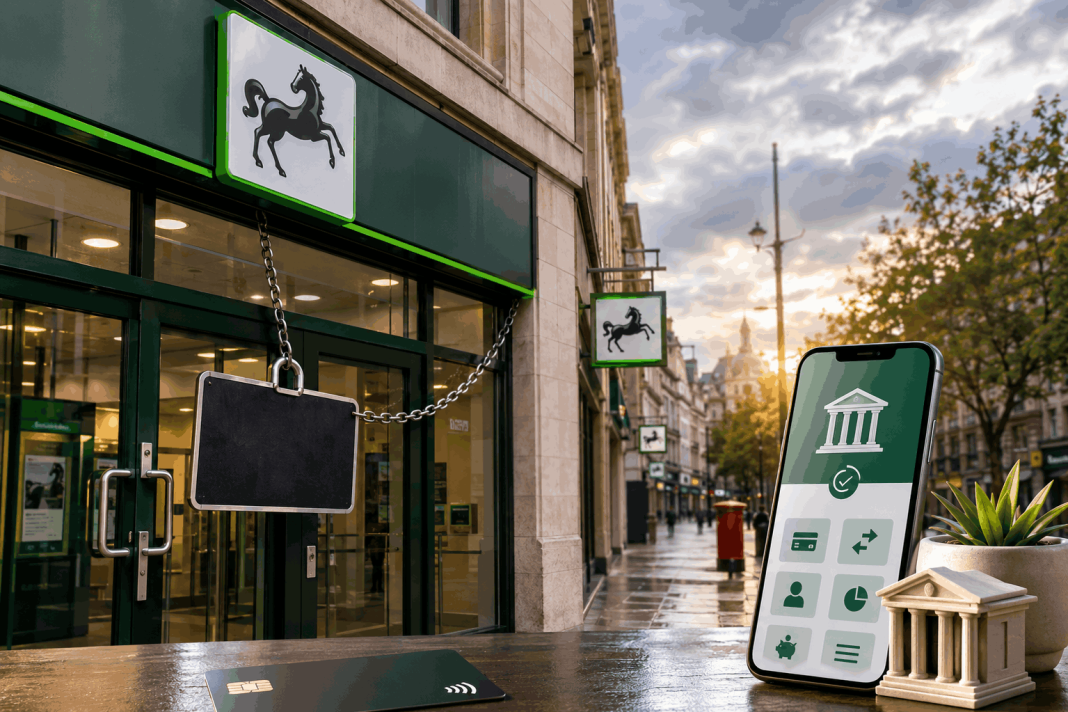
Lloyds Branch Closures: Full List, Reasons, and Customer Impact in 2026
The latest Lloyds Branch Closures announcement marks another major shift in UK high street banking. Lloyds Banking Group has confirmed that 233 branches will close during 2026, with a further 12 closures planned for early 2027. The changes affect Lloyds Bank, Halifax, and Bank of Scotland locations across the country.
As more customers choose mobile apps and online services, traditional branches are seeing fewer visitors. While banks argue these changes reflect modern banking habits, many customers remain concerned about access to face-to-face services. This guide explains why the closures are happening, which communities are affected, and what alternatives are available.
Why Lloyds Branch Closures Are Happening
The main reason behind the latest Lloyds Branch Closures is the continued rise of digital banking. Millions of customers now use mobile apps to check balances, transfer money, pay bills, and manage accounts without visiting a branch.
According to Lloyds Banking Group, branch usage has fallen significantly over the past decade. Many locations now serve only a small number of customers each day. The bank reviews customer behavior, transaction data, and local banking needs before making closure decisions.
The shift is not unique to Lloyds. Across the UK, banks have reduced physical networks as digital services become more popular. The industry believes customers increasingly prefer convenience and 24-hour access through online channels.
Lloyds Branch Closures Continue a Long-Term Trend
The current round of Lloyds Branch Closures follows years of branch reductions across the banking sector. Since 2015, Lloyds Banking Group has closed nearly 1,600 branches, more than any other major UK banking network.
The latest announcements include 31 additional Lloyds Bank branches and 48 Halifax locations. Together, they form part of a wider strategy to reshape banking services around customer demand.
Industry experts say branch closures are likely to continue as technology adoption grows. However, concerns remain about the impact on vulnerable customers and rural communities.
How Lloyds Branch Closures Affect Local Communities
Many towns and cities will feel the effects of these banking changes. One notable example is the Wellgate branch in Rotherham, which is scheduled to close in October 2026.
For some communities, a branch closure means losing a nearby cash machine and access to in-person support. Customers who rely on face-to-face banking may need to travel further for services.
Older residents often face the biggest challenges. In several branches scheduled for closure, customers aged 55 and above account for a significant share of regular users. These individuals may require additional support when moving to digital banking platforms.
Local businesses can also be affected, especially those that regularly handle cash deposits and withdrawals.
Alternatives Available After Lloyds Branch Closures
Although branches are closing, customers still have several banking options available.
Lloyds Branch Closures and Post Office Services
The Post Office network offers many everyday banking services. Customers can withdraw cash, check balances, deposit money, and perform other basic transactions at thousands of locations across the UK.
This partnership helps ensure banking services remain accessible even when local branches close.
Lloyds Branch Closures and Banking Hubs
Banking hubs have become an important alternative in many communities. These shared facilities allow customers from different banks to access counter services and speak with community bankers.
The UK continues to expand banking hubs to support areas affected by branch closures.
Lloyds Branch Closures and Digital Banking
Mobile banking apps and online platforms provide convenient access to financial services around the clock. Customers can transfer funds, pay bills, monitor spending, and manage accounts without leaving home.
Telephone banking also remains available for customers who prefer speaking with an adviser.
Regions Affected by Lloyds Branch Closures
The closure programme covers locations throughout England, Scotland, and Wales. Branches in both large cities and smaller towns appear on the list.
Examples of affected Lloyds Bank branches include locations in Alfreton, Bideford, Camborne, Horsforth, Thornbury, and Peterlee. Halifax customers will also see closures in towns such as Buxton, Deal, and Hastings.
Bank of Scotland branches are similarly affected, particularly in Scottish communities where customer footfall has declined.
Customers should regularly check official closure announcements for the latest updates affecting their local area.
Benefits Behind Lloyds Branch Closures
While closures create challenges, Lloyds Banking Group argues there are benefits to the strategy.
Reducing physical branch costs allows the bank to invest more heavily in technology, cybersecurity, customer support, and digital innovation. Customers gain access to improved mobile apps and online tools that can simplify everyday banking.
The group has also expanded its network of community bankers. More than 170 community banking specialists now provide support in areas affected by closures.
For many customers, digital banking offers greater flexibility than traditional branch visits.
Challenges Created by Lloyds Branch Closures
Despite the benefits, concerns remain. Not everyone has access to reliable internet services or feels comfortable using digital technology.
Elderly customers may struggle with online banking systems. People with disabilities can also face accessibility barriers when physical branches disappear.
Travel costs may increase for customers who need to visit alternative branches located further away. Rural communities are often particularly vulnerable because transport links can be limited.
Consumer groups continue to call for stronger protections and improved banking access in affected areas.
What Customers Should Do Before Their Branch Closes
Customers should take proactive steps before closure dates arrive.
First, confirm whether your branch appears on the official closure list. Lloyds Banking Group provides detailed information through its websites and customer communications.
Next, explore alternative banking options available in your area. This may include another Lloyds, Halifax, or Bank of Scotland branch, a banking hub, or a nearby Post Office.
Customers unfamiliar with online banking should consider setting up digital access now. Lloyds provides guidance and support to help users become comfortable with mobile and online services.
Finally, review any important services linked to your local branch and update your banking arrangements if necessary.
The Future of Lloyds Branch Closures and UK Banking
The latest Lloyds Branch Closures reflect a broader transformation across the UK banking industry. Digital services continue to reshape how customers manage their finances, reducing reliance on traditional branch networks.
While technology brings convenience and efficiency, maintaining access for vulnerable customers remains a critical challenge. Banking hubs, Post Office partnerships, and community banking initiatives will play an increasingly important role in bridging the gap.
For customers, staying informed and preparing early can make the transition much smoother. As the banking landscape continues to evolve, adaptability will be key to ensuring uninterrupted access to essential financial services.

Nuwan Wackwella is a digital creator passionate about technology, creativity, and sharing inspiring moments from everyday life.