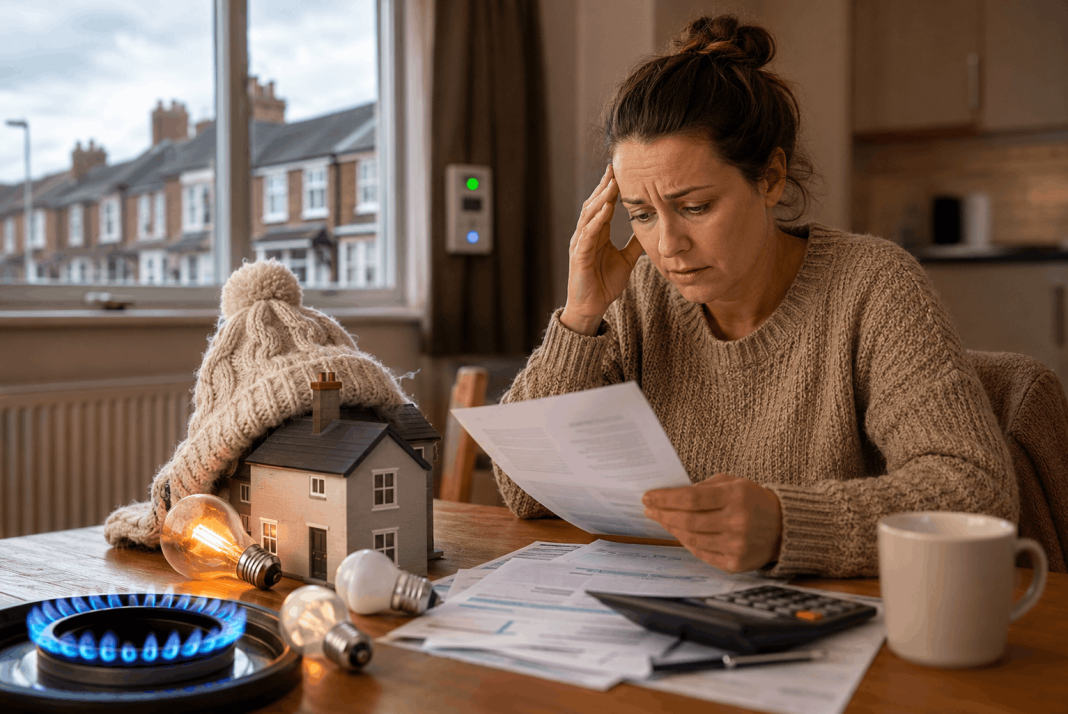
Energy Price Rise Pushes More UK Households Toward Fuel Poverty
The Energy Price Rise is putting fresh pressure on millions of households across Great Britain. From this week, many customers on standard variable tariffs will pay more for gas and electricity as the latest energy price cap takes effect. While warmer weather may reduce immediate heating demand, experts warn that higher bills now could leave families struggling when colder months arrive. Understanding what has changed and acting early can help reduce the financial impact.
Recent increases in wholesale gas prices continue to influence domestic energy costs. Although government support remains available for some households, many people will still notice higher monthly bills. Knowing how the new rates work, checking your energy usage, and exploring available support could make a significant difference over the coming months.
What the Energy Price Rise Means for Households
The latest Energy Price Rise follows Ofgem’s updated energy price cap, which limits the maximum unit rates suppliers can charge customers on standard variable tariffs. It does not cap total bills, meaning households that use more energy will naturally pay more.
Typical annual energy costs have increased compared with the previous cap period. Under the latest calculations, an average household now pays around £1,663 per year, although actual bills depend entirely on individual energy consumption.
Gas prices have increased from approximately 5.74p to 7.33p per kilowatt-hour, while electricity has risen from 24.67p to 26.11p per kilowatt-hour. Standing charges also continue to form part of household bills.
Customers paying by direct debit remain on the lowest available standard rates, while those paying by cash or cheque often face slightly higher costs.
How the Energy Price Rise Affects Fuel Poverty
Many charities believe the Energy Price Rise will increase the number of households experiencing fuel poverty across the UK. Fuel poverty generally occurs when a family spends a significant share of its income on keeping the home adequately warm and powered.
Current estimates suggest that as many as 13.5 million households could now fall into fuel poverty. Around 5.5 million homes may spend approximately one-fifth of their income on energy costs, placing severe pressure on everyday finances.
For low-income families, pensioners, and vulnerable residents, rising utility bills often mean making difficult choices between heating, food, and other essential expenses. Even during summer, higher standing charges and electricity use continue to affect household budgets.
Why the Energy Price Rise Is Happening
Several global and domestic factors are driving the current Energy Price Rise. Wholesale natural gas prices remain higher than normal due to ongoing international market uncertainty and fluctuating demand.
The UK continues to rely heavily on gas for electricity generation and home heating. As wholesale prices increase, suppliers eventually pass these additional costs to consumers through the regulated price cap.
Seasonal demand also plays a role. Analysts expect gas consumption to increase as autumn and winter approach, creating continued pressure on wholesale markets. While some forecasts suggest prices may ease slightly later in the year, experts caution that markets remain unpredictable.
Long-term investment in renewable energy and improvements to the UK’s energy infrastructure could help reduce dependence on volatile gas markets in future years.
Government Response to the Energy Price Rise
The latest Energy Price Rise has renewed calls for stronger government intervention to protect consumers. Consumer groups, charities, and campaign organisations argue that additional financial support will be necessary before winter.
Several proposals continue to receive attention, including:
- Expanding the Warm Home Discount scheme.
- Introducing a permanent social energy tariff for vulnerable households.
- Reducing energy debt through targeted assistance.
- Reforming electricity pricing to reduce its dependence on wholesale gas costs.
The government has already expanded support for around six million households through existing assistance programmes while continuing to monitor market conditions.
Industry regulators also encourage customers experiencing financial difficulties to contact their energy suppliers early, as many companies offer payment plans and hardship support.
How to Manage the Energy Price Rise at Home
Although households cannot control market prices, there are several practical ways to reduce the impact of the Energy Price Rise on monthly bills.
Start by submitting an up-to-date meter reading before your supplier calculates your next bill. Accurate readings help ensure you only pay for the energy you actually use.
If you remain on a standard tariff, compare available fixed-rate offers carefully. In some cases, locking into a competitive fixed tariff may provide greater certainty if wholesale prices continue to fluctuate.
Simple energy-saving habits can also lower overall consumption, including:
- Switching off unused lights and appliances.
- Using washing machines on eco settings.
- Improving loft and wall insulation.
- Lowering heating temperatures slightly during colder months.
- Replacing older bulbs with LED lighting.
Small daily changes often produce noticeable savings over an entire year.
Looking Ahead After the Energy Price Rise
The current Energy Price Rise highlights the ongoing challenges facing UK households as energy markets remain uncertain. While some analysts expect modest price improvements later in the year, no significant reductions are guaranteed.
Consumers should stay informed about future Ofgem announcements and regularly review available government support schemes. Households concerned about paying their bills should contact their supplier as soon as possible, rather than waiting until debt builds up.
Longer-term reforms aimed at improving energy efficiency, expanding renewable generation, and modernising the UK’s electricity market may eventually provide greater price stability. Until then, careful budgeting and efficient energy use remain the best ways to manage rising costs.
By understanding the latest changes and taking practical action, households can reduce the financial impact of higher energy prices while preparing more effectively for the colder months ahead.

Nuwan Wackwella is a digital creator passionate about technology, creativity, and sharing inspiring moments from everyday life.