Polestar US Ban: What It Means for Buyers and the EV Market
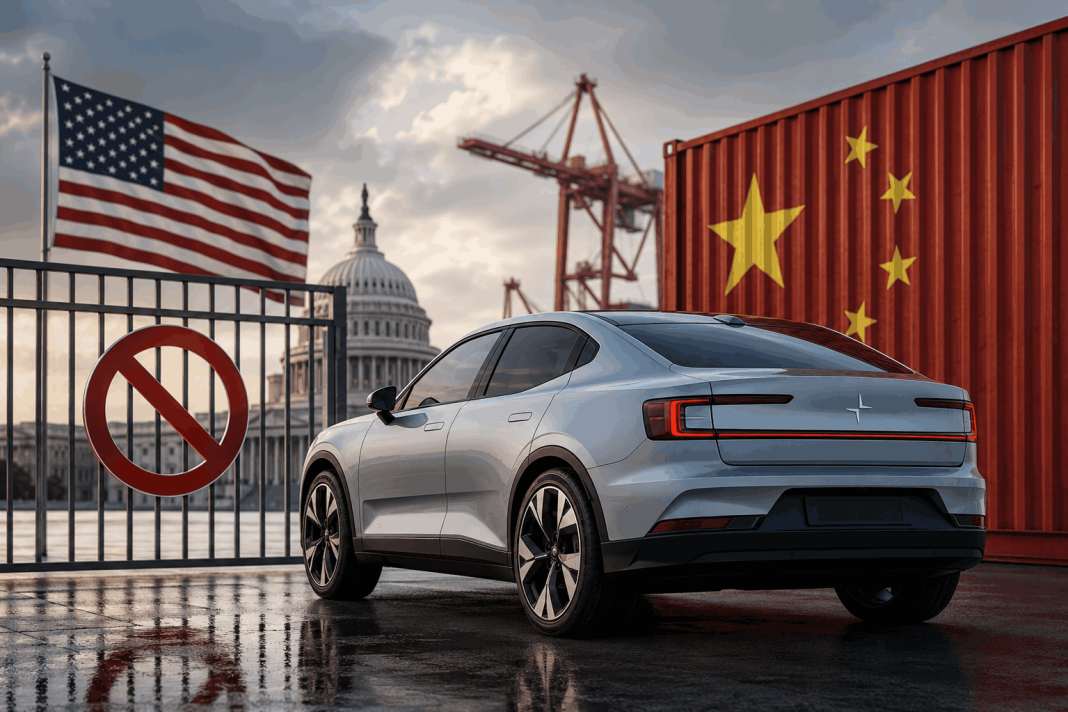
The Polestar US Ban marks one of the biggest changes in the American electric vehicle market in recent years. Beginning in 2027, Polestar will no longer be able to introduce new vehicles in the United States because of government restrictions on connected vehicle technology linked to Chinese ownership. The decision reflects growing national security concerns while creating new challenges for consumers, investors, and the wider EV industry.
Although Polestar has built a reputation for premium electric vehicles with Scandinavian styling and advanced technology, the new rules force the company to shift its focus away from the US market. Existing owners will continue receiving service and warranty support, but future American buyers will lose access to new Polestar models.
Why Polestar US Ban Was Introduced
The Polestar US Ban stems from the US government’s Connected Vehicle Rule, which aims to reduce security risks involving connected cars. Modern electric vehicles constantly collect and transmit data through cameras, sensors, GPS systems, internet connections, and onboard software.
Officials argue that vehicles with technology connected to companies controlled by China or Russia could potentially expose sensitive information about American drivers and infrastructure. Because Polestar remains majority-owned by China’s Geely Holding Group, regulators determined the company falls within the scope of these restrictions.
Even though Polestar manufactures some vehicles outside China, including production in the United States and South Korea, ownership and technology governance became the deciding factors during the review process.
How Polestar US Ban Affects Future Vehicle Sales
The Polestar US Ban means the company cannot introduce new vehicle models in the United States after the 2026 model year. Current inventory, including the Polestar 3 and Polestar 4, can still be sold until dealerships exhaust their remaining stock.
Customers purchasing these vehicles will continue receiving:
- Factory warranty coverage
- Authorized servicing
- Software updates where permitted
- Replacement parts and maintenance support
However, once existing inventory disappears, American buyers will no longer have access to new Polestar vehicles unless government policies change or the company receives future approval.
This creates uncertainty for the brand’s long-term presence in one of the world’s largest EV markets.
Polestar US Ban Highlights Different Treatment for Automakers
One of the most discussed aspects of the Polestar US Ban is that not every Geely-owned company received the same outcome.
Volvo Cars, which is also connected to Geely, obtained regulatory approval through a waiver after presenting governance structures and data protection measures that satisfied US regulators.
Polestar, however, was unable to secure similar approval.
The differing outcomes demonstrate that regulators evaluate manufacturers individually rather than applying identical decisions across every company with Chinese ownership. Corporate governance, software architecture, cybersecurity practices, and data management all influence the final decision.
Market Reaction to Polestar US Ban
Investors reacted quickly after news of the Polestar US Ban became public. Polestar shares fell by more than 13%, reflecting concerns about future growth opportunities.
Although the United States represents an important market, Europe currently accounts for roughly 80% of Polestar’s global vehicle sales. As a result, company executives are expected to increase investment across European countries while expanding into additional international markets.
The company may also accelerate growth in regions where connected vehicle regulations remain more favorable.
Polestar US Ban Could Change Consumer Choice
American EV buyers now face one fewer premium electric vehicle option.
Polestar built its reputation by combining minimalist Scandinavian design with strong performance, long driving ranges, and advanced digital technology. Many buyers viewed the brand as an attractive alternative to Tesla, BMW, Mercedes-Benz, and Audi.
With Polestar leaving future US sales, shoppers may increasingly compare alternatives from established automakers or emerging domestic EV manufacturers.
The decision also illustrates how geopolitical policies increasingly influence consumer purchasing options beyond traditional trade tariffs.
How Polestar US Ban Could Affect EV Prices
The Polestar US Ban may influence pricing in several ways over the coming months.
First, dealers could introduce attractive discounts on remaining inventory to clear stock before the 2027 deadline.
Next, limited availability could eventually increase demand for well-maintained used Polestar vehicles if enthusiasts continue seeking the brand after new sales end.
Finally, reduced competition among premium EV manufacturers could indirectly affect pricing across the broader electric vehicle segment. Fewer competitors sometimes reduce pressure for aggressive discounts or promotional offers.
Consumers interested in purchasing a new Polestar should monitor dealership inventory carefully while vehicles remain available.
What Current Polestar Owners Should Expect After Polestar US Ban
Current owners should experience very few immediate changes.
Polestar has confirmed that customer support, warranty coverage, dealership servicing, and maintenance operations will continue. Existing vehicles will remain fully legal to own and operate throughout the United States.
Owners should also continue receiving available software updates and technical support, although future feature development may depend on evolving regulations.
For most drivers, daily ownership will remain largely unchanged despite the company’s future sales restrictions.
Future Outlook for Polestar US Ban
The Polestar US Ban represents more than a challenge for one automaker. It signals a broader shift in how governments evaluate connected vehicle technology, cybersecurity, and international supply chains.
Many global manufacturers are now reviewing software partnerships, semiconductor sourcing, cloud infrastructure, and ownership structures to ensure compliance with evolving regulations.
Polestar is expected to strengthen its position in Europe while pursuing opportunities in markets with fewer regulatory barriers. Meanwhile, US consumers may see additional policy changes affecting other international automakers in the coming years.
The situation remains fluid, and future waivers or regulatory revisions could alter the competitive landscape. Until then, the decision serves as another reminder that politics, technology, and the automotive industry have become more closely connected than ever before.

Nuwan Wackwella is a digital creator passionate about technology, creativity, and sharing inspiring moments from everyday life.