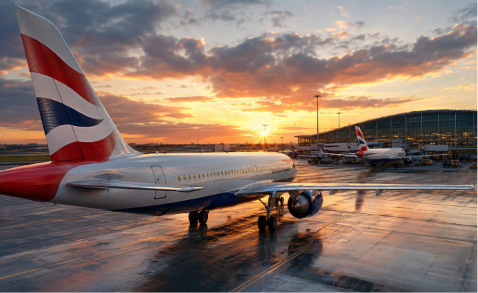
British Airways ticket prices are becoming a major concern for travellers after the airline’s parent company warned of a massive rise in fuel expenses. Passengers booking flights in 2026 may soon notice higher fares as airlines attempt to offset the impact of rising jet fuel prices linked to Middle East tensions.
The latest warning came from International Airlines Group (IAG), the owner of British Airways, which revealed that soaring oil prices could add nearly £1.7 billion to its fuel bill this year. The company now plans to respond through fare increases, tighter cost controls, and adjustments to some routes.
As global energy markets remain unstable, the aviation industry faces renewed pressure. The decision surrounding British Airways ticket prices highlights how geopolitical events can quickly affect holidaymakers and business travellers worldwide.
Why British Airways Ticket Prices Are Rising
The biggest reason behind higher British Airways ticket prices is the sharp rise in oil and jet fuel costs. Tensions involving Iran pushed crude oil prices above $100 per barrel at one point after months of trading closer to $72.
Jet fuel prices rose alongside crude oil, placing airlines under severe financial pressure. IAG now expects its annual fuel bill to reach around €9 billion, significantly above its earlier €7.1 billion estimate. That increase equals nearly €2 billion in additional costs.
Although IAG hedged around 70% of its fuel requirements in advance, the remaining exposure still creates a major financial challenge. Fuel is one of the airline industry’s largest operating expenses, meaning even small price jumps can heavily affect profits.
This situation explains why British Airways ticket prices are likely to climb across many routes over the coming months.
How IAG Plans to Handle British Airways Ticket Prices
IAG says it intends to recover roughly 60% of the higher fuel costs through stronger revenues and improved efficiency. Raising British Airways ticket prices forms a central part of that strategy.
Luis Gallego, chief executive of IAG, stated that the company is actively responding to uncertainty by managing yields, costs, and route capacity carefully. He warned that elevated fuel prices will reduce profits compared with earlier expectations.
The airline group also plans to review capacity in regions where travel demand has weakened. While most destinations continue seeing strong bookings, demand in parts of the eastern Mediterranean has softened due to regional instability.
These changes could mean fewer flights on certain routes while more profitable destinations receive additional focus.
For official company updates, travellers can visit British Airways and International Airlines Group (IAG).
British Airways Ticket Prices and Summer Travel Demand
The rise in British Airways ticket prices comes during one of the busiest travel periods of the year. Families planning summer holidays could face noticeably higher fares, especially on long-haul and premium cabin routes.
Industry analysts suggest that business-class tickets may experience some of the largest increases because airlines often rely on premium passengers to protect profits during periods of high operating costs.
Despite the pressure, IAG remains confident about fuel supply availability throughout the summer travel season. The company says it continues working closely with suppliers and governments to avoid disruptions.
Still, airlines across Europe have already reduced millions of available seats in upcoming schedules. So far, London Heathrow has avoided major disruption, with only limited cancellations reported.
Passengers are encouraged to monitor booking updates regularly and consider flexible travel dates to reduce costs as British Airways ticket prices continue changing.
Strong Financial Results Despite British Airways Ticket Prices Warning
Even with the fuel warning, IAG delivered relatively strong first-quarter financial results. The group reported a pre-tax profit of €422 million, marking a 77% increase compared with the same period last year.
Revenue also climbed 1.9% to €7.2 billion, showing that demand for air travel remains resilient despite economic uncertainty.
Last year, IAG achieved a record operating profit of €5 billion. Analysts had previously expected profits to improve further in 2026 before fuel costs surged. Those forecasts are now being revised downward.
Investors reacted cautiously to the announcement. Shares in IAG dropped by as much as 5% after the company revealed the scale of the expected fuel expense increase.
The financial outlook demonstrates how quickly airline profitability can shift when energy markets become unstable.
Wider Industry Impact Beyond British Airways Ticket Prices
The issue affecting British Airways ticket prices is not limited to one airline group. Carriers across Europe and North America face similar challenges as fuel prices rise sharply.
Some industry experts warn that prolonged instability in the Middle East could create jet fuel shortages in parts of Europe. The UK may be especially vulnerable because it imports a significant amount of aviation fuel.
Airlines must also continue complying with strict passenger compensation rules under UK and EU regulations when cancellations occur. This adds further financial strain during periods of higher operating costs.
Major carriers are now balancing several competing pressures at once:
- Rising fuel expenses
- High airport and staffing costs
- Ongoing supply chain challenges
- Demand uncertainty in some regions
As a result, consumers are likely to see fare increases spread across the aviation sector rather than affecting only British Airways.
For broader aviation industry insights, readers can check updates from International Air Transport Association (IATA) and Heathrow Airport.
Tips for Managing Higher British Airways Ticket Prices
Travellers looking to avoid the full impact of rising British Airways ticket prices may benefit from adjusting their booking strategies.
Booking earlier often provides access to lower fare classes before airlines increase prices closer to departure dates. Comparing prices across multiple airlines can also help identify better deals.
Frequent flyer members may find additional value by redeeming loyalty points or using companion vouchers to offset higher ticket costs.
Flexible travel dates are becoming increasingly important as airlines continue adjusting fares based on fuel prices and demand trends.
Passengers should also watch for route-specific promotions, especially during quieter travel periods later in the year.
British Airways Ticket Prices Reflect a Changing Airline Market
The rise in British Airways ticket prices reflects how closely the airline industry depends on global economic and political stability. Events far from airports can rapidly increase costs for airlines and eventually affect travellers worldwide.
While IAG hopes to manage much of the financial impact through efficiency improvements and pricing strategies, passengers will likely absorb part of the burden through higher ticket prices.
The coming months will test how effectively airlines balance profitability with customer demand. If oil prices stabilize, fare pressure could ease later in the year. However, continued geopolitical tensions may keep travel costs elevated well into 2027.
Travellers planning future holidays or business trips should stay informed, compare options carefully, and book strategically as the aviation market continues adapting to changing fuel costs. Victoria Line Suspension Disrupts London Rush Hour Travel.

I’m an Online Media & PR Strategist at BusinessFits, passionate about digital storytelling and media impact. As a journalist, blogger, and SEO specialist, I create content that connects, informs, and ranks.