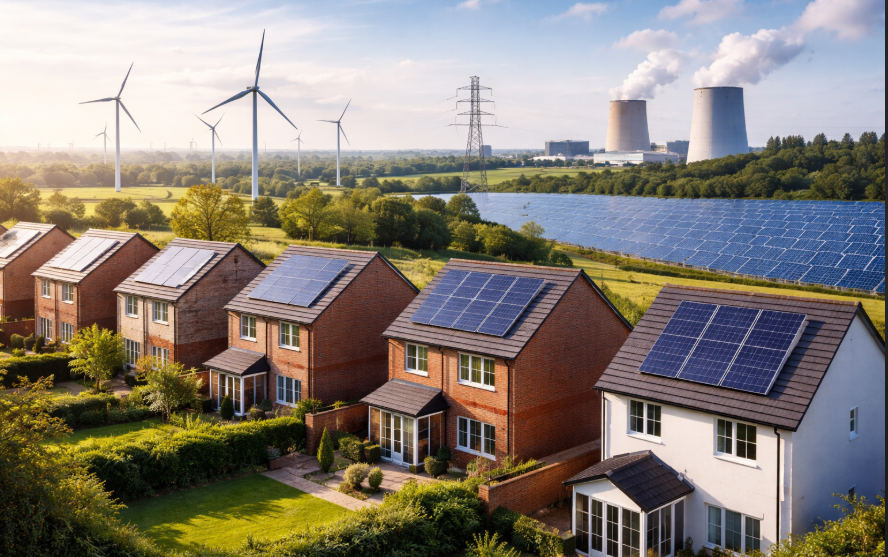
The UK is pushing ahead with major energy plans, yet key climate rules are facing delays. This mixed approach is raising concerns about long-term goals. While leaders promise stronger energy security, changes to housing policy tell a different story.
The debate now centers on whether progress is moving fast enough. Many believe the balance between energy independence and climate action is at risk. This article explains what is happening and why it matters.
What UK energy security and low-carbon housing policy delays Mean
The government has announced plans to strengthen national energy supply. The focus is on reducing reliance on imported fuels. This includes boosting domestic energy production and investing in new technologies.
At the same time, new rules for low-carbon housing in England have been delayed. These rules aimed to make homes more energy efficient. They were expected to cut emissions and reduce energy bills.
This contrast highlights a growing tension. On one side, energy security is moving forward. On the other, housing reforms are slowing down.
Next: Why Energy Security Is a Priority
Energy security has become a key concern in recent years. Global events have shown how fragile supply chains can be. As a result, the UK wants to produce more of its own energy.
Plans include expanding renewable energy and supporting nuclear projects. There is also a push for new infrastructure. These steps aim to provide stable and affordable energy.
You can read more about these plans on gov.uk
This approach is seen as essential for economic stability. It also helps protect households from rising energy costs.
Latest energy news, Energy Price Cap Set to Rise £332 in July UK Bills
The Impact of Low-Carbon Housing Delays
The delay in housing rules has raised serious concerns. These rules were designed to improve energy efficiency in new homes. They would have reduced carbon emissions significantly.
Without these changes, new homes may not meet future climate standards. This could lead to higher energy use and costs over time. It may also slow progress toward national climate targets.
Experts warn that delays could create long-term challenges. Retrofitting homes later is often more expensive than building them right from the start.
Public and Expert Reactions
Public reaction has been mixed. Some support the focus on energy security. They believe it is necessary for national resilience.
Others argue that delaying housing reforms sends the wrong message. Climate experts say both goals should move forward together.
There is also concern about policy consistency. Frequent changes can create uncertainty for builders and investors. This may slow down progress even further.
The Bigger Climate Picture
The UK has set ambitious climate targets. These include reducing emissions and reaching net zero. Housing plays a major role in achieving these goals.
Energy-efficient homes reduce demand and lower emissions. They also help households save money. Delays in this area could weaken overall progress.
Balancing energy security with climate action remains a complex challenge. Both are essential for a sustainable future.
What Happens Next?
The government says it will continue working on both priorities. Energy security plans are expected to move forward quickly. However, the timeline for housing reforms remains unclear.
Future decisions will be critical. Strong coordination is needed to meet both energy and climate goals. Without it, progress could fall short.
The key issue is clear. The UK must align its policies to avoid conflicting outcomes. Only then can it achieve lasting results.

I’m an Online Media & PR Strategist at BusinessFits, passionate about digital storytelling and media impact. As a journalist, blogger, and SEO specialist, I create content that connects, informs, and ranks.