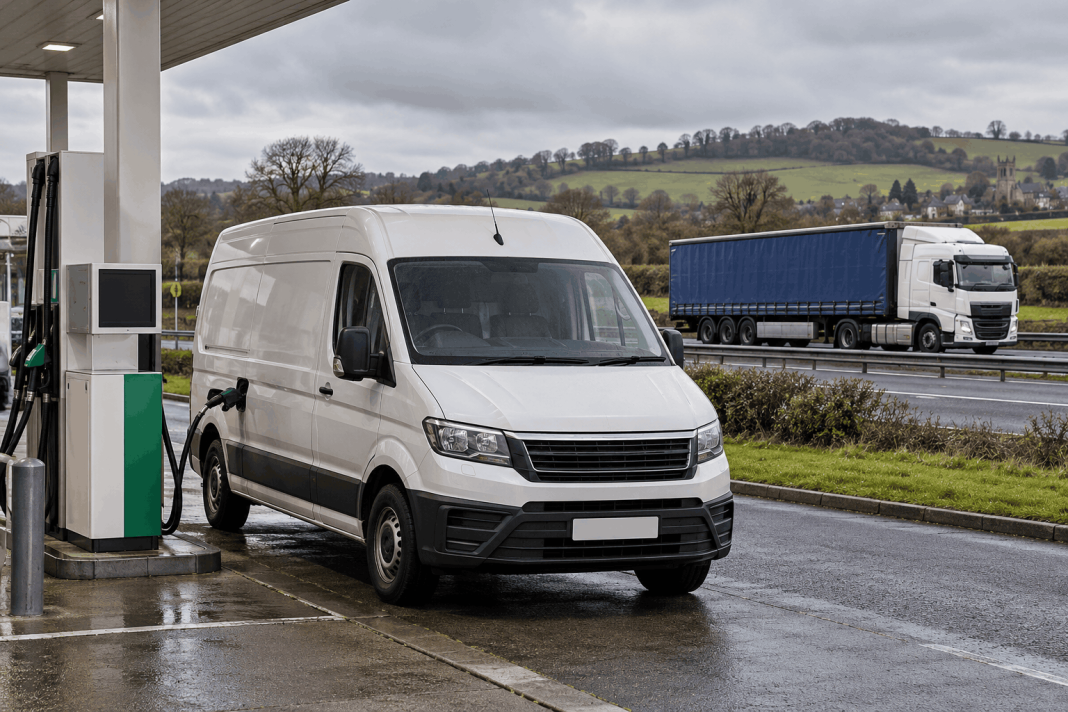
UK Fuel Costs Put Pressure on Deliveries and Small Businesses
UK Fuel Costs are putting pressure on businesses that depend on vans, lorries and regular deliveries. Fuel bills, road charges and vehicle running expenses can squeeze already narrow profit margins. For consumers, these pressures can eventually affect delivery fees, service charges and shop prices.
However, the impact varies between businesses. Fleet size, vehicle efficiency, delivery routes and local charging rules all influence the final bill. A small plumbing business faces different challenges from a national supermarket supplier.
Understanding these differences matters. Fuel duty support can offer relief, but it cannot remove every transport expense. Meanwhile, businesses need reliable information before changing prices, replacing vehicles or accepting long-term contracts.
Why UK Fuel Costs Matter for Small Businesses
For independent traders, transport is often essential to earning a living. Electricians carry equipment between appointments, while bakeries deliver fresh products before shops open. These journeys leave limited room for reducing mileage without affecting customers.
When diesel or petrol becomes more expensive, each job costs more to complete. Businesses must then decide whether to absorb the increase, raise prices or change their delivery arrangements.
Consider an illustrative example. A van using 200 litres each month would cost £20 more to fuel after a 10p-per-litre increase. Across five vehicles, that becomes £100 monthly, before other running expenses.
Although these figures may appear manageable, small firms face several bills together. Insurance, maintenance, wages and finance payments also compete for cash. Consequently, modest increases can become significant when customers take weeks to settle invoices.
Businesses should therefore review transport spending alongside their wider cash flow. Readers can explore the connection in your [small business cash flow guide — insert internal article URL].
What Fuel Duty Means for UK Fuel Costs
Fuel duty forms part of the price motorists pay for petrol and diesel. However, a freeze in duty does not guarantee stable pump prices. Wholesale fuel costs and other commercial factors can still change.
The government’s amended guidance extends the temporary 5p-per-litre duty cut until 31 December 2026. It lists the petrol and diesel duty rate as 52.95p per litre through that date. Final future rates remain subject to confirmation at Budget 2026. GOV.UK
Businesses can check the official fuel duty announcement before preparing budgets.
Crucially, operators should distinguish confirmed rules from possible future decisions. A delivery contract signed today may continue beyond the current relief period. Building several fuel-price scenarios into that contract can help protect margins.
For example, firms can model stable prices, a moderate increase and a sharper rise. This approach provides a clearer view of potential exposure than assuming current conditions will continue.
How Road Charges Add to UK Fuel Costs
Road charges create another layer of transport spending. However, different schemes have different purposes, boundaries and vehicle requirements. Businesses should check each route rather than assume one national rule applies.
In several English cities, clean air zone charges may apply when vehicles fail to meet emissions standards. The government provides a clean air zone vehicle checker, while London and Scotland use separate services. GOV.UK
London’s Ultra Low Emission Zone charges £12.50 daily for covered vehicles that fail its standards and lack an exemption. This includes relevant vans up to 3.5 tonnes. Heavier vehicles fall under separate Low Emission Zone requirements. Transport for London
Operators can review Transport for London’s ULEZ guidance before scheduling deliveries.
These distinctions matter when choosing vehicles for particular jobs. Sending a suitable compliant van could avoid a charge that another vehicle attracts. Equally, taking a lengthy diversion may cost more in fuel and working time than the fee itself.
How UK Fuel Costs Affect Supply Chains and Prices
Transport expenses can move through several stages before reaching consumers. A manufacturer pays for incoming materials, a wholesaler arranges distribution, and a retailer receives the finished goods.
If delivery costs increase at each stage, businesses may face pressure to adjust their prices. However, the effect is rarely immediate or uniform. Existing contracts, competition and profit margins influence how much companies pass on.
Some firms absorb higher costs temporarily to retain customers. Others introduce delivery surcharges, minimum order values or fewer delivery days. These decisions can protect revenue while changing the service customers receive.
Smaller orders may become particularly difficult to serve profitably. As a result, shops and hospitality businesses might consolidate purchases, provided they have enough storage space.
Households can also feel the effects through higher service callout charges or online delivery fees. Your [guide to rising living costs — insert internal article URL] can explain how these expenses affect monthly budgets.
Nevertheless, higher transport spending alone does not prove that every retail price increase is justified. Businesses should explain specific changes clearly and avoid vague claims about unavoidable costs.
Practical Ways to Manage UK Fuel Costs
Businesses can start by measuring fuel use, mileage and delivery profitability. Reviewing spending by vehicle and route helps identify problems that a single monthly total may hide.
Next, operators can combine nearby appointments and reduce unnecessary return journeys. Accurate delivery instructions also help prevent failed visits, wasted mileage and additional labour.
Regular maintenance supports reliable operation. Checking tyres, servicing vehicles and addressing faults promptly can help control avoidable running costs. Drivers should also follow safe, efficient driving practices.
Vehicle replacement needs a broader calculation. Compare purchase or lease costs, maintenance, charging access, insurance and likely route requirements. A lower fuel bill alone does not establish that a replacement offers better overall value.
Finally, review customer agreements regularly. Clear pricing terms and agreed review dates help businesses discuss changing expenses before margins become unsustainable.
Managing UK Fuel Costs requires careful planning across fuel purchases, vehicle use and delivery commitments. Better records and accurate charging information give firms a stronger basis for decisions. That can help protect dependable services while keeping customer prices competitive.

Nuwan Wackwella is a digital creator passionate about technology, creativity, and sharing inspiring moments from everyday life.