Angel Station Closure: Escalator Plans and Travel Advice Now
An Angel Station Closure could disrupt London journeys for around a year as Transport for London considers replacing ageing escalators. However, a full shutdown remains a possible option rather than a confirmed timetable. Meanwhile, TfL lists the station as exit-only on 20 October 2026 because of a faulty escalator. Passengers should check current restrictions before travelling.
For commuters, the immediate question is whether they can enter the station for their next journey. For residents and businesses, the bigger concern is how future engineering work could affect access to the area.
Here is what the latest information means, which proposals remain under consideration, and how travellers can prepare.
Why Angel Station Closure Is Under Consideration
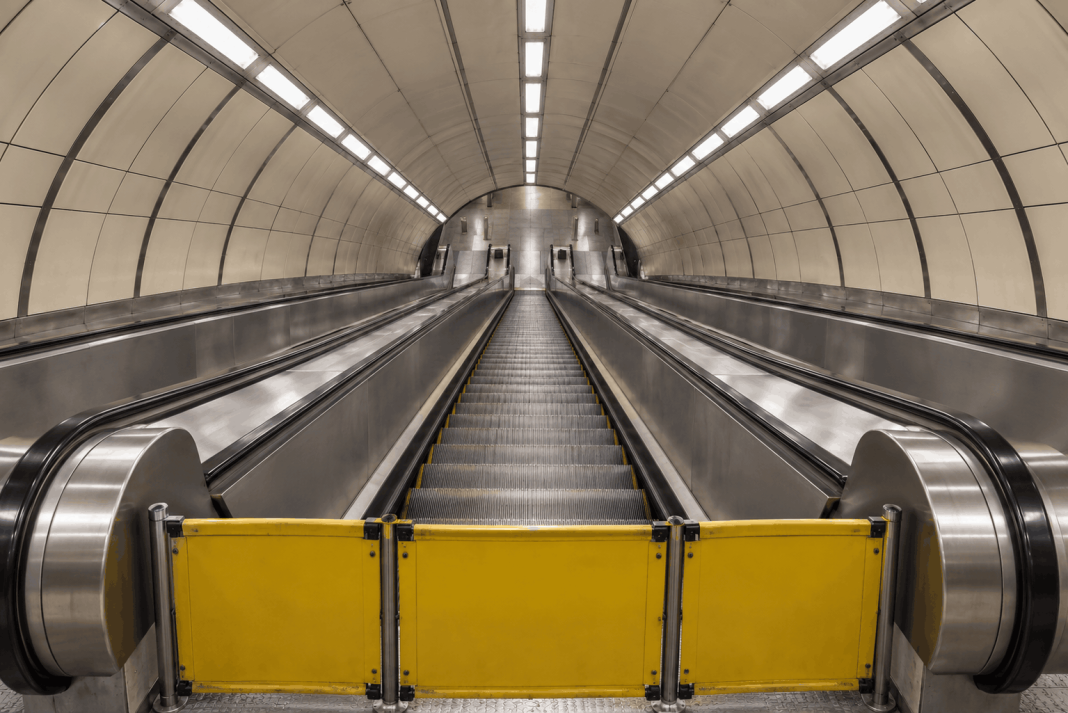
Angel’s long escalators are becoming harder to maintain after almost 35 years of service. According to reporting by The Standard, one failed in April, while the remaining equipment also needs attention. Nearly 12 million passengers use the station annually, making reliable access important for the surrounding area.
The problem involves more than an inconvenient breakdown. TfL must maintain a safe route between the ticket hall and the lower station levels.
The transport authority told The Standard that these escalators are too long to operate safely as fixed staircases. Therefore, passengers cannot simply walk along them whenever the machinery stops.
For readers, the important distinction is between temporary repairs and complete replacement. Repairs aim to keep existing equipment working. Replacement requires a separate programme, which could bring more extensive restrictions.
How Angel Station Closure Restrictions Affect Passengers
As checked on 20 October 2026, TfL’s Angel station page says passengers can exit throughout the day. However, they cannot enter from street level because of a faulty escalator. The notice also states that tickets are being accepted on London Buses.
That distinction matters when planning a return trip. Being able to arrive at Angel does not mean you can board there later.
For example, someone visiting a local restaurant might leave the train at Angel but need another route home. Checking both directions before departure can prevent an unexpected delay.
Also, avoid treating today’s notice as a permanent arrangement. Access restrictions can change, so reopen the official station page shortly before travelling.
For broader disruption advice, see our guide to UK transport disruptions.
When Angel Station Closure Could Happen
Recent reports say TfL is considering off-peak exit-only restrictions from November. These could prevent entry during evenings and weekends while allowing passengers to leave the station. However, that proposed arrangement is separate from the current daily fault notice.
A possible replacement programme also remains under review. Reported options include a full shutdown lasting approximately 12 months or a longer period of partial operation. The latter would allow work on individual escalators in stages.
These alternatives create different consequences for travellers. A complete closure could require a different station for every journey. Partial operation could preserve some access but involve changing restrictions over a longer period.
Until TfL publishes a confirmed programme, readers should avoid assuming a start date or reopening date. Likewise, a suggested duration does not establish when construction will begin.
Planning Journeys During Angel Station Closure
First, use TfL Journey Planner to compare routes for your actual departure time. Enter your final destination rather than selecting Angel automatically. Another station or a bus connection may suit your journey better.
Next, compare the complete journey. Include walking, waiting, changes and the route from your final stop. A journey that looks shorter on a map may involve an awkward interchange.
Before leaving, consider these practical steps:
- Check station access as well as line service.
- Plan your outward and return journeys separately.
- Save an alternative route on your phone.
- Allow extra time for an unfamiliar connection.
- Recheck notices before evening or weekend travel.
If you need accessible transport, review the entire route carefully. A nearby station alone does not guarantee a suitable journey. Check access at every interchange and ask TfL for help if necessary.
Finally, confirm any ticket acceptance arrangements before boarding. A temporary notice should not become an assumption about future travel.
What Angel Station Closure Means for Businesses
Restricted access could make visits less convenient for customers and complicate staff journeys. However, that does not establish how much individual businesses would lose. Any financial impact would depend on the eventual restrictions, customer habits and alternative transport.
Local shops, cafés and venues can prepare by making travel information easy to find. A short website notice could direct visitors to current TfL updates and explain nearby arrival options.
Similarly, appointment reminders can encourage customers to check their return route. Businesses should date these messages and update them when official arrangements change.
Employers could also discuss temporary flexibility with staff facing longer journeys. Adjusting a start time may help some workers, although each workplace will have different requirements.
Our small business planning guide offers a useful place to explain wider preparations for unexpected disruption.
Where to Check Angel Station Closure Updates
The most useful source for an immediate journey is the live station notice. For future engineering arrangements, consult TfL’s planned station works. TfL advises checking before travel because this information changes frequently.
News coverage can explain the proposals, but publication dates matter. An earlier article may describe an option that later changes. Always distinguish a reported possibility from an announced operating arrangement.
For now, prepare an alternative journey without assuming that a year-long shutdown has been approved. Check whether Angel allows entry, confirm your return route, and follow fresh official notices.
Keeping those checks separate will make planning easier while the longer-term replacement options remain under consideration.

Nuwan Wackwella is a digital creator passionate about technology, creativity, and sharing inspiring moments from everyday life.