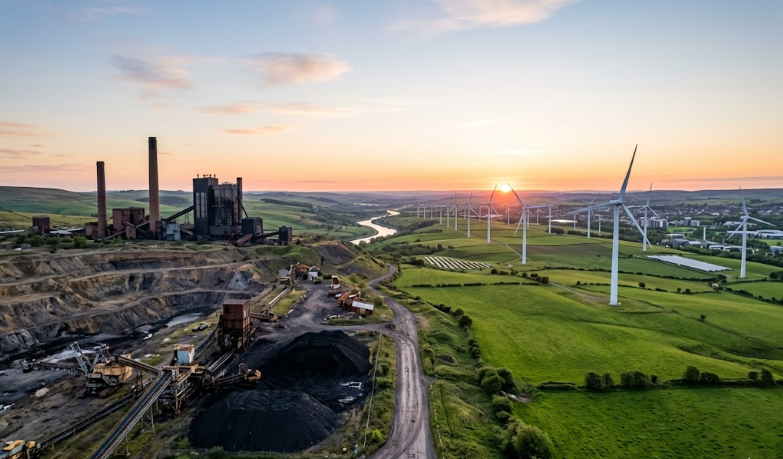
The new coal mine ban marks a historic turning point in the United Kingdom’s environmental policy, placing the country firmly on a path toward a cleaner, low-carbon future. By prohibiting all new coal mining projects, the UK government is taking decisive action to reduce emissions and combat climate change. This move reflects growing global urgency to phase out fossil fuels and transition toward sustainable energy sources.
Climate policy bolstered by coal mine ban
The UK government has confirmed that legislation will soon enforce the new coal mine ban, ensuring that no new licenses for coal extraction will be approved. This decision follows a High Court ruling that overturned prior approval for a controversial coal project in Cumbria. Officials emphasized that leaving coal reserves untouched is one of the most effective ways to meet climate goals.
Coal has long been recognized as one of the most polluting energy sources, producing high levels of greenhouse gases. By introducing the new coal mine ban, the UK aims to significantly reduce its carbon footprint while aligning with international environmental targets.
Coal mine ban supports net-zero goals
Achieving net-zero emissions is a central pillar of the UK’s climate strategy, and the new coal mine ban plays a crucial role in reaching this objective. Coal combustion contributes heavily to global warming, making its phase-out essential for limiting temperature rise.
Environmental organizations have widely welcomed the decision, highlighting its importance in meeting commitments under global agreements. According to International Energy Agency, reducing coal dependency is one of the most impactful steps nations can take to curb emissions.
This policy reinforces the UK’s dedication to a sustainable future while encouraging other countries to adopt similar measures.
Renewable energy grows with coal mine ban
The new coal mine ban also accelerates the shift toward renewable energy across the UK. Over recent years, wind, solar, and nuclear power have significantly increased their share in the national energy mix. Green Energy Switch Drives UK Homes Amid Fuel Surge.
By eliminating the possibility of new coal developments, the government is sending a strong signal to investors. Funding is expected to shift further toward green technologies, innovation, and infrastructure. This transformation is essential for building a resilient energy system that supports long-term economic growth.
For more insights into global clean energy transitions, visit United Nations Climate Action.
Community Impacts of Coal Mine Ban
While the new coal mine ban represents progress for the environment, it also brings challenges for communities historically dependent on coal mining. Regions that once relied on the industry for employment may face economic adjustments.
To address this, the government has pledged support through investment in green jobs and training programs. Workers will be offered opportunities to reskill and transition into sectors such as renewable energy, construction, and technology.
This approach ensures that the shift away from coal is not only environmentally responsible but also socially inclusive.
Energy landscape changes with coal mine ban
For centuries, coal played a vital role in powering Britain’s industrial growth. However, the environmental consequences of its use including air pollution and rising sea levels have become increasingly severe.
The new coal mine ban acknowledges this reality and reflects a broader shift in priorities. Clean air, public health, and environmental sustainability are now at the forefront of policy decisions. Moving away from coal is no longer optional it is necessary.
Global leadership boosted by coal ban
On the international stage, the new coal mine ban strengthens the UK’s position as a climate leader. British officials have consistently urged other nations to phase out coal, and this domestic policy adds credibility to those calls.
By taking firm action at home, the UK demonstrates that it is committed to fulfilling its environmental promises. This leadership is particularly important during global climate discussions, where cooperation and accountability are essential.
Future Energy Goals
The UK has already made significant progress in reducing coal usage, with most coal-fired power stations either closed or converted. The new coal mine ban ensures that this progress continues without reversal.
Looking ahead to 2030 and beyond, the country’s energy strategy will focus entirely on sustainability. Renewable energy, innovation, and efficiency will define the next phase of development.
This policy not only prevents a return to outdated practices but also lays the foundation for a cleaner, more stable energy system.
Conclusion
The introduction of the new coal mine ban represents a defining moment in the UK’s environmental journey. It signals the end of coal as a future energy source and highlights the urgency of addressing climate change.
While the transition may bring challenges, it also creates opportunities for innovation, job creation, and global leadership. The UK is setting an example for the world, proving that bold decisions can drive meaningful change.
As nations continue to confront the climate crisis, policies like the new coal mine ban will play a crucial role in shaping a sustainable future for generations to come.

I’m an Online Media & PR Strategist at BusinessFits, passionate about digital storytelling and media impact. As a journalist, blogger, and SEO specialist, I create content that connects, informs, and ranks.