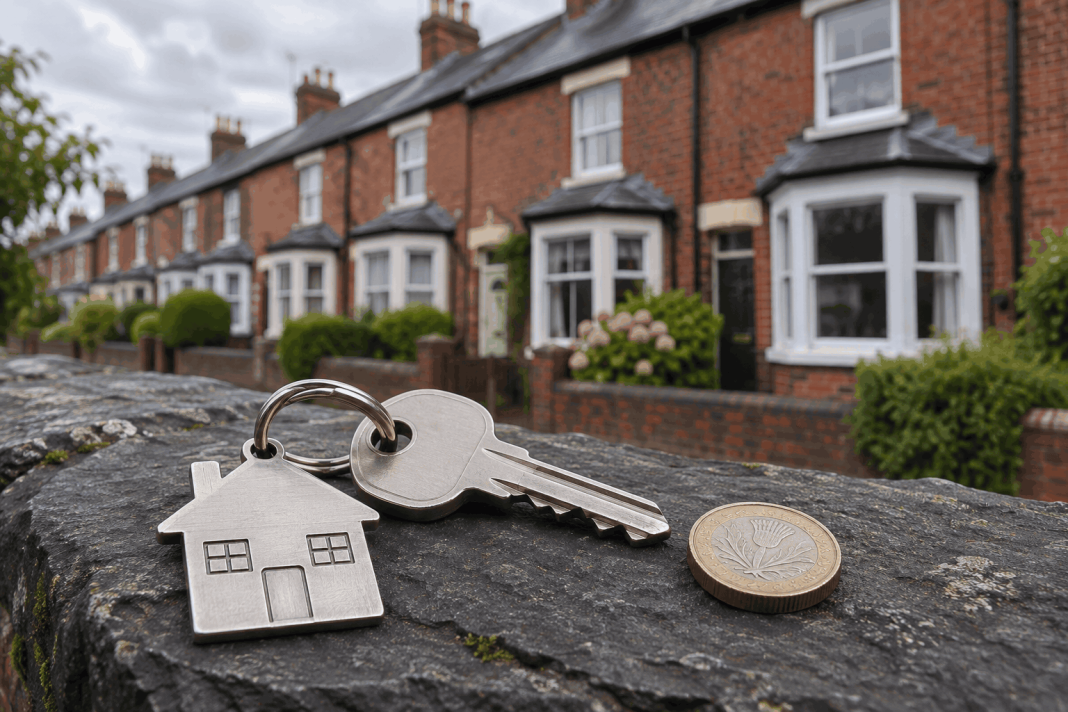
Nationwide’s 1% deposit mortgage carries equity risks
High rents can make it hard to save enough for a first home. Nationwide’s new 1% deposit mortgage lets eligible first-time buyers buy an existing house with just 1% upfront and potentially borrow up to six times their annual income. The deal launched on 25 November 2026 with a five-year fixed rate of 5.99% and no product fee. The smaller deposit can cut years off the wait, but it leaves buyers with little room for a fall in house prices.
How the 1% deposit mortgage works
Nationwide plans to lend up to £1 billion a year through the deal. It estimates that the funding could help more than 5,000 additional first-time buyers each year. Applicants must get mortgage advice through a broker or a Nationwide adviser before taking out the loan.
The deal is available as a repayment mortgage, with a maximum term of 40 years and a £750,000 borrowing cap. Each monthly payment covers interest and pays down part of the loan. A longer term can lower the monthly bill but increase the total interest paid over the life of the loan. Check the lender’s full mortgage terms.
How much the 1% deposit mortgage cuts upfront costs
On the lender’s example of a £235,200 first home, a 1% deposit comes to £2,352. A 5% deposit on the same house would cost £11,760. That cuts the amount a buyer needs to save upfront by £9,408.
Nationwide estimates that someone saving 5% of average monthly take-home pay could build the smaller deposit in about 15 months. In its comparison, saving a 5% deposit takes five years and nine months. Actual timelines depend on household income, the local price of a suitable home and how much money buyers can put aside after rent and bills.
The smaller target is especially relevant to renters who pay for their own deposit without family help. However, the deposit covers only part of the money needed to buy. Buyers still need to budget for solicitor fees, a survey and moving costs.
Who qualifies for the 1% deposit mortgage?
Single applicants need an annual income of at least £30,000. Joint applicants must earn at least £50,000 between them, and both must meet the lender’s first-time buyer rules. Nationwide also runs credit and affordability checks, so meeting the income threshold alone does not guarantee approval or access to the full six-times-income limit.
The deal covers existing houses. It excludes flats, new-build homes, shared ownership and Right to Buy purchases. Nationwide also excludes applicants whose main income comes from self-employment. Eligible leasehold homes must have at least 90 years left on the lease.
Why the 1% deposit mortgage raises equity concerns
A 1% deposit means borrowing up to 99% of the purchase price. That leaves a small equity cushion when the buyer first moves in. Negative equity occurs when the home’s value falls below the balance still owed on the mortgage.
Consider a £235,200 home bought with £2,352 upfront and a mortgage of £232,848. If the home’s value falls by 2% soon after purchase, it would be worth £230,496. Before allowing for any repayments, that leaves a £2,352 gap between the home’s value and the original loan.
The gap matters most when a homeowner needs to sell or switch lenders. A sale might leave the borrower having to pay the difference from savings. Remortgaging can also become harder because a new lender bases its offer on the home’s current value. Read more about negative equity and remortgaging.
How house prices affect the 1% deposit mortgage
A November forecast points to a 1.5% fall in average UK house prices in 2027, followed by a 3.5% rise in 2028. It projects growth of 15.8% over the five years to 2031. That outlook leaves room for a near-term dip even if prices rise over the full period. See the full UK house price forecast.
National figures can also mask changes in a buyer’s neighbourhood. Similar homes on nearby streets may sell for different amounts depending on condition, demand and how many properties come up for sale. Recent local sale prices give buyers a way to put the national figures into context. [Read our UK housing market outlook](/uk-housing-market/).
What to compare before choosing the 1% deposit mortgage
The five-year fix gives buyers a predictable mortgage payment during the initial term. On the £232,848 loan above, a 30-year repayment mortgage at the 5.99% launch rate would cost about £1,395 a month during the fixed period. That figure is an illustration, and the monthly cost can change when the fix ends.
Buyers can compare that payment with the cost of a mortgage backed by a 5% deposit. The comparison should include the rent they would pay while saving, the interest and fees on each deal, and the cash they would have left after completion. Council tax, insurance and repairs also affect what a household can afford each month. [See our coverage of UK interest rates](/uk-interest-rates/).
Buying earlier also brings forward expenses that renters may not have had to cover directly, such as replacing a boiler or fixing a roof. Keeping some savings after completion can help households absorb those costs without having to borrow again.
For renters who can afford the repayments and expect to stay in their first home for several years, the lower deposit could bring the purchase forward. For buyers who might need to move soon, even a modest fall in local prices could make a sale more difficult. The trade-off is a shorter wait to buy and a smaller financial cushion once they own the home.

Nuwan Wackwella is a digital creator passionate about technology, creativity, and sharing inspiring moments from everyday life.