Table of Contents
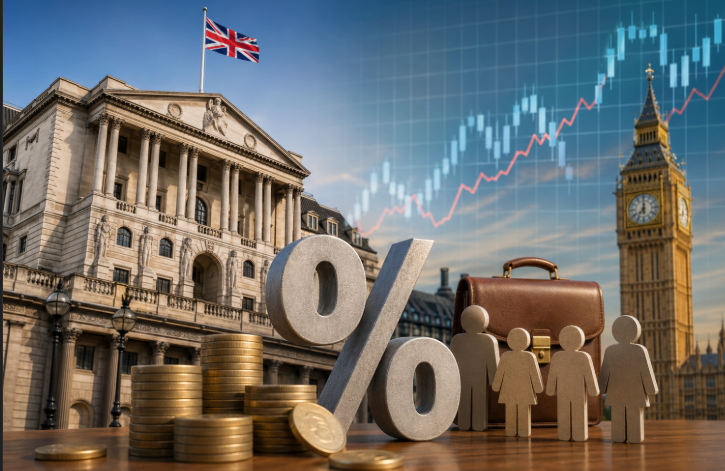
ToggleThe phrase higher inflation unavoidable now defines the UK economic outlook after the Bank of England chose to keep interest rates steady. This key message signals rising costs ahead for households and businesses alike, as global energy shocks continue to disrupt stability.
The central bank’s decision to hold rates at 3.75% reflects caution. Policymakers are trying to balance slowing inflation with new risks emerging worldwide. For many families, however, the reality of higher fuel and food prices is already being felt.
An Unavoidable Decision on Inflation
The Monetary Policy Committee voted overwhelmingly to keep borrowing costs unchanged. Eight members supported holding rates, while one pushed for an increase, showing concern about persistent price pressures.
This pause follows a series of rate cuts since 2024, which aimed to boost economic growth. Now, conditions have shifted. Inflation has climbed to 3.3%, exceeding the Bank’s 2% target, and forecasts suggest further increases.
The higher inflation unavoidable outlook stems largely from external shocks. Rising oil prices and disrupted supply chains have added pressure across the economy. These factors are beyond domestic control, making policy decisions more complex.
For more details on official policy, visit the Bank of England rate decision page.
Price increases unavoidable due to inflation
Several key forces explain why higher inflation unavoidable has become the dominant narrative:
- Energy costs have surged globally
- Transport and logistics disruptions raise expenses
- Services inflation is at multi-decade highs
- Wage pressures remain strong in some sectors
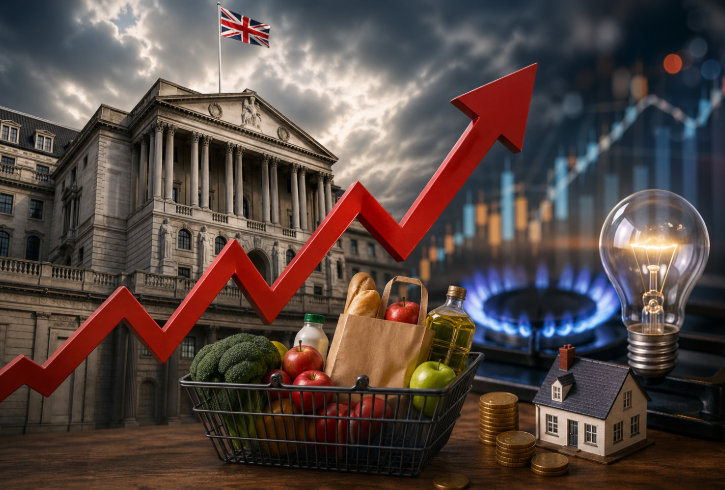
Fuel prices, in particular, are a major driver. Oil exceeding $100 per barrel has increased transportation and production costs. Businesses pass these costs on to consumers, creating a ripple effect across the economy.
According to the UK inflation data from ONS, recent figures show a steady upward trend, reinforcing the Bank’s warning.
Inflation’s unavoidable impact on households
For everyday consumers, higher inflation unavoidable translates into real financial strain. Household budgets are tightening as essential costs rise:
- Petrol and diesel prices increase commuting costs
- Grocery bills continue to climb
- Energy expenses remain unpredictable
Mortgage holders are also affected. While the rate hold prevents immediate increases, borrowing costs remain elevated compared to earlier years. Fixed-rate deals offer some stability, but new borrowers face higher entry costs.
Government support programs aim to soften the impact. Learn more through UK Inflation Rise Explained: Causes, Impact, and Outlook.
Borrowers are unavoidably affected by inflation
Borrowers face mixed outcomes under the higher inflation unavoidable scenario. On one hand, stable rates mean no immediate spike in repayments. On the other, inflation reduces purchasing power and limits financial flexibility.
Variable-rate mortgage holders remain exposed to future changes. Meanwhile, lenders are cautious, pricing in inflation risks when offering new loans.
This environment encourages careful financial planning. Many households are prioritizing savings and reducing discretionary spending to cope with uncertainty.
Policymakers must address higher inflation
The Bank’s internal vote highlights differing perspectives. Most members favor patience, waiting for clearer data before adjusting policy. However, some officials argue that stronger action may be needed to control inflation.
Chief economist Huw Pill’s vote for a rate hike reflects concern about persistent service-sector inflation. This divergence suggests ongoing debate within the central bank.
Markets are also reacting. Investors expect possible rate changes later in 2026, depending on how inflation evolves.
A higher inflation outlook for the economy
Despite inflation concerns, the UK economy shows resilience. Recent GDP growth and stable employment figures provide a solid foundation. However, inflation unavoidable risks could slow momentum.
Businesses face difficult choices:
- Absorb rising costs and reduce profits
- Pass costs to consumers and risk lower demand
Both options carry consequences for growth and employment. The service sector, in particular, is experiencing significant cost pressures.
Global influences lead to higher inflation
Global events play a major role in shaping the inflation unavoidable outlook. Disruptions in energy supply routes and geopolitical tensions have increased costs worldwide.
The UK, as a major energy importer, is especially vulnerable. These external factors limit the effectiveness of domestic policy measures.
Central banks globally are facing similar challenges. Their responses will influence international markets and economic recovery.
What Happens Next as Inflation Rises
Looking ahead, the Bank of England will closely monitor incoming data. Future decisions will depend on:
- Inflation trends over the coming months
- Wage growth and employment levels
- Global energy market stability
If inflation continues rising, rate increases may follow. Conversely, signs of cooling could open the door to future cuts.
The higher inflation unavoidable phase is expected to be temporary, but its duration remains uncertain.
What it means
For individuals, the key takeaway is preparation. The inflation unavoidable environment requires:
- Careful budgeting
- Monitoring expenses
- Considering fixed financial commitments
Savers may benefit from relatively higher interest rates, but inflation reduces real returns. Borrowers gain short-term relief from stable rates but face long-term uncertainty.
Staying informed is essential. Regular updates from official sources and economic reports will help households make better financial decisions.
Conclusion
The message from the Bank of England is clear: inflation unavoidable in the near term. While the decision to hold rates provides stability, it does not eliminate rising cost pressures.
The UK economy enters 2026 with both strength and uncertainty. Careful policy management and global developments will determine how quickly inflation returns to target levels.
For now, households and businesses must adapt to a changing financial landscape shaped by persistent inflation challenges.

I’m an Online Media & PR Strategist at BusinessFits, passionate about digital storytelling and media impact. As a journalist, blogger, and SEO specialist, I create content that connects, informs, and ranks.