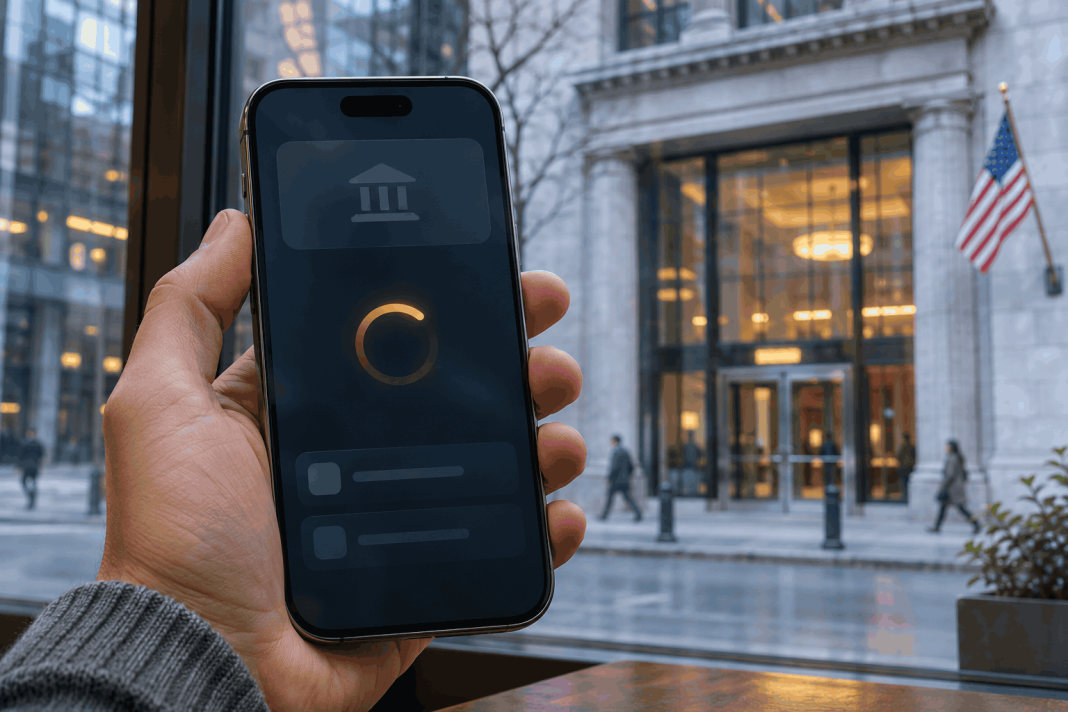
US Banking Outage: Chase Software Bug Delays Zelle Payments
The US banking outage on Monday, November 16, disrupted online banking and delayed some payments after JPMorgan Chase reported a software bug. Thousands of customers reported problems across several major banks and Zelle. Chase said customers still had access to their accounts and funds, though some services and transactions took longer than usual.
Customers reported trouble signing in, checking balances and moving money. Reports rose at Chase, Bank of America, Wells Fargo and other institutions. Chase said the bug affected its own systems, and Zelle said its payment network remained operational. Read the outage report.
What triggered the US banking outage?
Chase traced the disruption to a software bug affecting hardware inside the bank’s own facilities. The bank said the problem slowed some transactions and made it harder to serve some customers promptly. Some users saw a message asking them to try again later because certain services were temporarily unavailable.
Chase said the issue was isolated and attributed it to the bug. The bank also said there was no evidence of a cyberattack. Its statement identified where the fault occurred, but it gave few details about what first triggered the bug or which individual services took the longest to recover.
The trouble affected basic banking tasks. A customer who needed to confirm a balance before paying a bill could have trouble getting an answer. Someone who had already sent money could face a different problem, waiting for the payment to appear in the recipient’s account.
Which banks drew US banking outage reports?
An outage tracker received complaints from customers at Chase, Bank of America, Wells Fargo, U.S. Bank, Truist and Capital One. The reports showed where people experienced trouble or believed a service had failed. A spike in complaints alone could reveal little about where the underlying fault started. See the breakdown of customer reports.
Chase said other banks could see delays when they were on the other end of a transaction involving Chase. U.S. Bank said the bug had no direct effect on its systems. It did say that customers sending or receiving Zelle payments with another institution might experience delays.
This explains why a customer could sign in to one bank and still encounter a slow payment involving another. Checking a balance and sending money between banks are separate tasks. An app can load normally even when an individual transfer takes longer to complete.
How the US banking outage slowed Zelle payments
Zelle said its network continued to operate during the disruption. However, a payment involving a Chase account could still take longer to arrive. That could affect the sender or recipient even when the other person used a bank whose own services were working.
For example, a customer might send money through their bank’s app and then hear that the recipient has yet to receive it. The sender could see the transfer in their activity while the recipient still waits for it to appear. These are two views of the same payment, and each bank may have different information about its progress.
Zelle says payments between enrolled users typically arrive within minutes. For help with a payment made through a banking app, it directs customers to their bank or credit union. The bank can check the transaction status using the details available for that account. See the payment timing and support guidance.
What customers could do during the US banking outage
First, customers who could sign in could check their account activity for the payment they had already submitted. A pending entry could help explain why the recipient was still waiting. If the status was unclear, the date, amount and any confirmation number could help the bank locate the transfer.
Next, customers waiting to confirm a payment could check its status before submitting it again. A slow update can leave the sender unsure whether the first attempt went through. Sending the same amount again could create a second payment if the original transfer was still processing.
A bank may ask whether the funds left the sender’s account or whether the recipient ever received a notice. Checking those details ahead of the call can make it easier to describe what happened. A screenshot of the payment status can also help if the entry changes while the bank checks it.
Finally, customers who still had trouble accessing their account or tracing a transfer could contact their bank through its official app or the number on their card. Anyone facing a payment deadline could also tell the recipient about the delay and keep a record of the original attempt.
What Chase said about the US banking outage recovery
On Monday, Chase said its teams were working on the issue and expected to resolve it by the end of the day. That was the bank’s estimate at the time. It gave customers a timeframe to watch, while the status of a specific payment still depended on what their bank could see.
Account access and payment completion could also improve at different times. A customer might regain access to online banking and still see a transfer waiting to clear. In that situation, the status of the transfer would give the customer more information than a successful login alone.
The disruption showed how a fault inside one bank can slow payments for customers elsewhere. Outage trackers captured complaints from several services, while statements from Chase, U.S. Bank and Zelle helped explain how the reports were connected. For someone waiting on money, the practical question was whether their bank could confirm the payment had gone through. For small businesses or households expecting money that day, that answer could shape when they made their next payment.

Hello there! I’m Online Media & PR Strategist at BusinessFits | Passionate Journalist, Blogger, and SEO Specialist