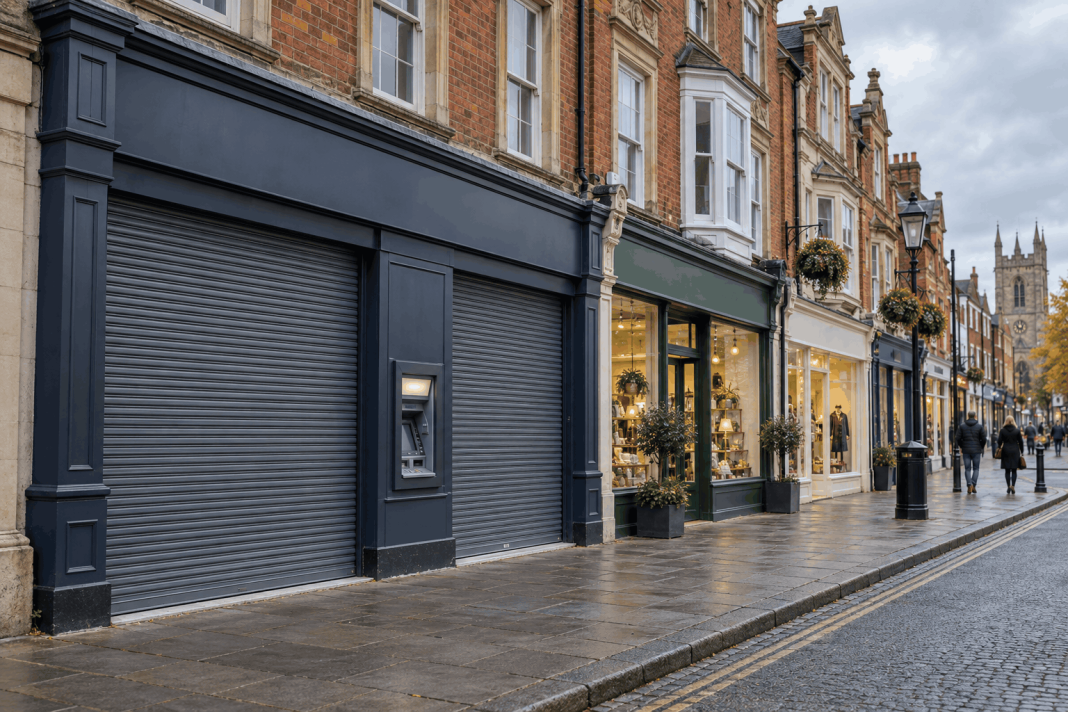
UK High Streets Face Bank Closures and Retail Changes
UK High Streets are changing as bank branches close and shoppers increasingly use digital services. In November 2026, Halifax and Lloyds are scheduled to close 17 branches across the UK. Customers who rely on face-to-face banking should check their local branch and explore nearby alternatives. AOL
The closures are part of a wider shift towards online banking. At the same time, some retailers face pressure from changing shopping habits and operating costs. These developments could make everyday errands harder for people who depend on local services.
Which UK High Streets Face Bank Closures?
The planned November closures include eight Halifax branches and nine Lloyds branches. They affect locations across England and Wales, including parts of London, Liverpool, Sheffield and Llanelli. Customers should confirm dates directly with their bank, as plans can change. AOL
For example, the Halifax branch on Middlewood Road in Sheffield is listed for closure on 2 November. The Lloyds branch on Peel Street in Accrington is listed for 3 November. Meanwhile, the Lloyds branch on Bridge Street in Worksop is scheduled to close on 11 November.
Customers can check the Halifax branch closure information and contact their bank for support. Before visiting, check the address as well as the town. Some areas have more than one branch.
A closure does not mean customers must close their accounts. However, they may need to travel further or use another service for routine transactions.
Why UK High Streets Are Losing Bank Branches
Banks say more customers now manage their money through mobile apps and websites. Online services allow people to check balances, make payments and move money without visiting a branch. As a result, some locations receive fewer visitors than before. AOL
Digital banking can save time for people with reliable internet access. However, not everyone finds it easy to use. Some customers prefer personal help, while others may struggle with devices, passwords or accessibility issues.
Small businesses can also rely on branches to deposit cash and manage daily takings. If their nearest branch closes, owners may need to spend more time travelling or change their banking routine.
Before a closure, customers should ask their bank which services remain available locally. It is also helpful to check opening hours and whether an appointment is needed.
How UK High Streets Are Adapting to Digital Banking
Lloyds Banking Group has announced plans for Halifax to become part of the Lloyds brand. The change is separate from the scheduled branch closures, and customers should follow official updates about what it means for them. ft.com
The group has said Halifax customers will keep their existing account numbers and sort codes. However, customers should check messages from their bank for details about any changes to branding or services. They should not assume they need to change their login details unless their bank confirms it. AOL
If you are new to mobile banking, start with a simple task such as checking your balance. Your bank may also offer guidance on downloading its official app and setting up access.
Always contact the bank through a trusted number or its official website. Be cautious of unexpected messages asking you to share passwords or transfer money because of a supposed account change.
Where UK High Streets Can Access Banking Services
A local branch closure does not necessarily mean that all face-to-face banking disappears. Many customers can use a Post Office counter for basic services, including cash withdrawals and deposits. Available services depend on the bank and account, so check before making a trip. postoffice.co.uk
Some communities also have shared banking hubs. These provide counter services and may offer appointments with community bankers on certain days. You can check banking hub locations and services to see whether one is open nearby. Hubs
Lloyds, Halifax and Bank of Scotland customers can also ask about using another branch within the group. Still, a nearby alternative may not offer every service or have convenient opening hours. Which?
The Financial Conduct Authority’s access to cash guidance explains how local cash services are assessed. A community may be able to request a review if it has concerns about access.
What Retail Changes Mean for UK High Streets
Bank closures are only one part of the picture. Retailers also face decisions about their physical stores as customers divide their spending between local shops and online services.
When a shop closes, nearby businesses may worry about fewer people visiting the area. A vacant unit can also affect the appearance of a shopping street. However, the impact varies between towns, and a closure does not automatically mean the whole area will decline.
Some businesses respond by offering online orders, local delivery or in-store collection. Others focus on personal service and products that customers prefer to see before buying.
Shoppers can support local businesses by checking independent shops for everyday purchases. They can also follow local updates for information about openings, closures and changes to services.
How to Prepare for UK High Streets Changes
First, check whether your local bank branch is scheduled to close. Note its final opening date and ask staff about alternatives before it shuts.
Next, consider which services you use most often. If you regularly pay in cash, confirm where you can make deposits and whether any limits apply. Business customers should also ask about charges and processing times.
Finally, keep a backup plan for managing money. Save your bank’s official phone number, know where your nearest cash access point is, and check whether a trusted person can help you learn digital services.
Branch and retail changes may affect communities differently. By checking local information early, customers and businesses can make practical plans that suit their needs.

Nuwan Wackwella is a digital creator passionate about technology, creativity, and sharing inspiring moments from everyday life.