Table of Contents
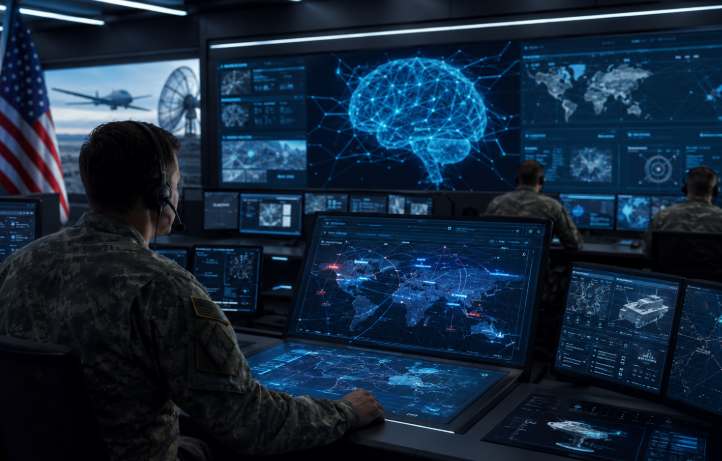
ToggleThe latest AI defense expansion by the United States government marks a major shift in military technology and national security planning. The Pentagon is increasing the number of approved artificial intelligence suppliers to strengthen defense capabilities, improve operational flexibility, and reduce dependence on a single vendor. Major technology firms including Microsoft, Amazon, Nvidia, and Reflection AI have now joined existing defense AI providers such as OpenAI, xAI, and Google.
This move comes during a critical period when governments worldwide are accelerating the use of advanced AI systems for intelligence, cybersecurity, logistics, and battlefield decision-making. By broadening its supplier network, the Pentagon hopes to create a stronger and more adaptable digital infrastructure for classified military operations.
Why AI Defense Expansion Is Happening Now
The growing AI defense expansion initiative reflects the Pentagon’s long-term vision of building an AI-powered military force capable of responding quickly to modern threats. Defense officials believe advanced AI tools can significantly improve situational awareness, automate data analysis, and support faster strategic decisions during complex missions.
The newly approved systems are authorized for highly classified environments, including Impact Levels 6 and 7, which represent some of the highest security standards in government operations. Officials say these agreements allow lawful use of AI systems for sensitive military and intelligence activities.
Another reason behind the expansion is the government’s effort to avoid vendor lock-in. Depending heavily on a single AI provider could create operational risks if disputes, technical failures, or policy disagreements occur in the future. Expanding the supplier base gives military agencies greater flexibility and long-term stability.
For more technology policy updates, visit our internal guide on AI security trends and explore the latest developments from Microsoft and Amazon.
OpenAI UK Withdrawal Shakes £31bn Investment Plans
AI Defense Expansion Strengthens Pentagon Partnerships
The new phase of AI defense expansion includes partnerships with several major technology companies that provide cloud computing, AI infrastructure, and advanced processing power.
Nvidia contributes high-performance AI chips and computing systems that are essential for machine learning applications. Meanwhile, Microsoft and Amazon continue to expand their government cloud services to support secure defense operations.
Reflection AI, although still relatively new in the market, has also gained Pentagon attention because of its innovative research capabilities. The inclusion of emerging companies alongside established firms helps create a more diverse and competitive AI ecosystem for defense applications.
Officials believe this broader supplier network will improve military resilience while accelerating innovation across intelligence gathering, cybersecurity defense, and logistics planning.
According to reports from The Pentagon, future AI systems may also help military personnel process massive amounts of battlefield data in real time. This could provide faster recommendations and improve operational coordination during national security missions.
Anthropic Dispute Impacts AI Defense Expansion
One of the biggest developments connected to the current AI defense expansion involves the changing relationship between the government and Anthropic.
The dispute reportedly began after disagreements over contract terms involving “any lawful use” of AI systems. Anthropic leadership expressed concerns regarding possible domestic surveillance and autonomous weapons development. CEO Dario Amodei publicly questioned certain military applications of artificial intelligence.
Following the disagreement, the Pentagon canceled a major contract reportedly worth $200 million. Anthropic later challenged the decision legally, arguing the move harmed its business operations and market position.
The controversy became even more significant after some officials reportedly labeled the company a potential supply chain risk. Despite this conflict, several reports suggest government agencies may still seek limited access to Anthropic’s AI technologies due to their advanced capabilities.
Anthropic’s Claude AI systems have previously supported classified government work through partnerships involving defense analytics platforms. Some cybersecurity tools powered by Anthropic technology are also believed to remain active within intelligence-related operations.
Learn more about current defense technology discussions through this outbound resource from Axios:
Axios AI Policy Report
How AI Defense Expansion Reduces Military Risks
A wider supplier base provides several strategic advantages for the US military. The latest AI defense expansion strategy reduces the risk of operational disruptions caused by internal corporate disputes, political disagreements, or sudden changes in business policies.
Technology companies have previously faced employee protests over defense-related contracts. Similar situations at Google and Amazon highlighted how internal company decisions can directly affect government projects. By working with multiple suppliers, the Pentagon minimizes the impact of these disruptions.
The Department of Defense has repeatedly emphasized the importance of creating an open AI architecture that allows systems from different vendors to operate together securely. This flexible structure ensures military agencies can adapt quickly as technologies evolve.
Another benefit of the expansion involves innovation speed. Competition among AI providers may encourage faster improvements in cybersecurity tools, data processing systems, and military planning software.
Officials also believe AI-assisted systems can improve resource management and logistical efficiency across defense operations worldwide.
For additional insights, visit our internal article on future military AI systems and explore industry updates from AI & Big Data Expo:
AI & Big Data Expo
Future Outlook for AI Defense Expansion
The ongoing AI defense expansion demonstrates how artificial intelligence is becoming central to modern national security strategies. Governments increasingly view AI as essential for cybersecurity, intelligence analysis, military logistics, and rapid decision-making.
By expanding partnerships with leading technology firms, the United States aims to build a secure and adaptable AI infrastructure capable of supporting future defense operations. At the same time, the controversy surrounding Anthropic highlights the growing tension between corporate ethics and government security priorities.
Industry experts expect additional AI suppliers to enter defense partnerships over the next several years as military agencies continue modernizing their digital capabilities. The Pentagon’s strategy suggests future defense systems will rely heavily on scalable AI technologies that can evolve alongside emerging threats.
As the global AI race accelerates, the success of this AI defense expansion strategy could significantly shape the future of military technology, cybersecurity policy, and international defense competition.

I’m an Online Media & PR Strategist at BusinessFits, passionate about digital storytelling and media impact. As a journalist, blogger, and SEO specialist, I create content that connects, informs, and ranks.