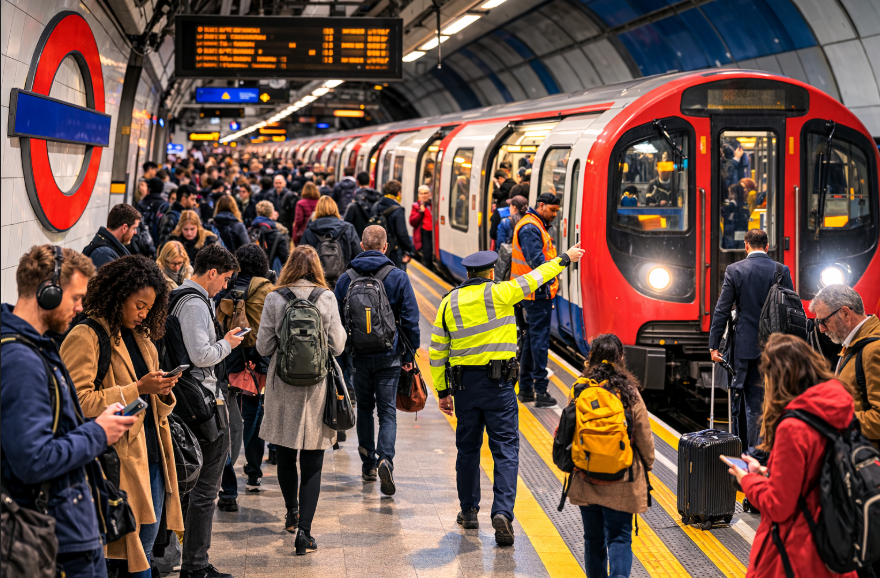
London’s Underground network experienced major disruption early Tuesday after a Victoria Line Suspension halted train services during the busy morning rush hour. Thousands of commuters across the capital were left searching for alternative travel options after an emergency incident forced authorities to stop trains across the line.
The sudden halt caused widespread delays, crowded stations, and confusion among travelers heading to work or school. The Victoria Line is one of the busiest routes in the London Underground, making the disruption particularly impactful. Events like this highlight how quickly a single incident can affect transport across an entire city.
Causes Behind the Victoria Line Suspension
The Victoria Line Suspension began after reports of a person on the tracks near Brixton station. Emergency services were called immediately, and trains were halted to ensure safety while teams responded to the situation.
The Victoria Line runs between Brixton and Walthamstow Central and passes through some of London’s busiest transport hubs, including Oxford Circus and King’s Cross. Because of its importance to daily commuters, any service interruption can quickly create ripple effects throughout the network.
Authorities temporarily stopped train movements to allow emergency teams to access the tracks safely. Safety protocols require trains to remain stationary until the area is cleared and verified safe for operations.
For official updates about the Underground network, commuters can check the Merseyrail Timetable Changes: January 2026 Travel Update
Commuter Impact from the Victoria Line Suspension
Morning commuters were among the hardest hit by the Victoria Line Suspension. Platforms quickly became crowded as travelers waited for updates or attempted to reroute their journeys.
Many passengers had to rely on alternative transport options such as buses, taxis, or nearby Underground lines. Others chose to walk or cycle short distances to avoid the congestion caused by the disruption.
Some commuters reported delays of up to an hour. Offices, schools, and businesses across central London felt the ripple effect as workers arrived late due to the transport interruption.
Travel apps like Citymapper and Google Maps helped riders find alternate routes quickly, highlighting the importance of real-time transport information during unexpected delays.
TfL Response to the Victoria Line Suspension
Transport for London (TfL) responded quickly to manage the Victoria Line Suspension and assist commuters. Service updates were shared through station announcements, mobile apps, and digital display boards across the network.
TfL staff were deployed to major stations to guide passengers toward alternative routes. Underground tickets were temporarily accepted on several bus routes and nearby rail services to help reduce congestion.
Police and medical teams worked together to handle the situation on the tracks while engineers ensured that the line was safe before services resumed. Quick coordination between emergency responders and TfL staff helped minimize the duration of the disruption.
Network Challenges During the Victoria Line Suspension
While the Victoria Line Suspension was the primary issue affecting commuters, other parts of the Underground network experienced minor delays the same morning.
Reports indicated temporary signal problems and train faults on nearby lines, which added to the pressure on London’s transport system. When one major route stops operating, passengers often shift to alternative lines, increasing congestion across the network.
This chain reaction demonstrates how interconnected the Underground system is. Even a single incident can affect multiple routes and thousands of travelers across the city.
Recovery After the Victoria Line Suspension
Fortunately, the Victoria Line Suspension did not last for an extended period. After emergency teams cleared the track and confirmed safety conditions, trains gradually began running again.
Initial services resumed with minor delays as the network worked to restore normal scheduling. By mid-morning, most trains on the Victoria Line were operating again, though some passengers continued to experience slight delays.
TfL praised the quick actions of staff and emergency responders, emphasizing that passenger safety always comes first during incidents like this.
Why the Victoria Line Suspension Matters
Events like the Victoria Line Suspension highlight the critical role public transport plays in London’s daily life. The Underground carries millions of passengers each day, making reliability essential for both commuters and the city’s economy.
When a major route stops operating, the disruption affects workplaces, schools, and businesses across the capital. Even short interruptions can lead to lost productivity and crowded alternative transport options.
TfL continues to invest in technology, including improved signaling systems and modern trains, to reduce the chances of future disruptions.
Tips for Handling a Victoria Line Suspension
Unexpected travel delays can be stressful, but preparation can help reduce frustration during incidents like a Victoria Line Suspension. Here are some useful tips for commuters:
1. Check transport apps before leaving home
Real-time updates from TfL or navigation apps help identify delays early.
2. Know alternative routes
Familiarizing yourself with nearby bus routes or other Underground lines can save time during disruptions.
3. Allow extra travel time
Planning additional travel minutes during peak hours can reduce stress if delays occur.
4. Follow station announcements
TfL staff and digital boards provide important guidance during service interruptions.
Looking Ahead After the Victoria Line Suspension
The recent Victoria Line Suspension serves as a reminder that even highly advanced transport networks can face unexpected challenges. London’s Underground continues to evolve with ongoing upgrades aimed at improving reliability and safety.
Future improvements, including digital signaling systems and upgraded infrastructure, are expected to reduce delays and enhance the commuter experience. Until then, passengers are encouraged to stay informed through transport apps and official updates.