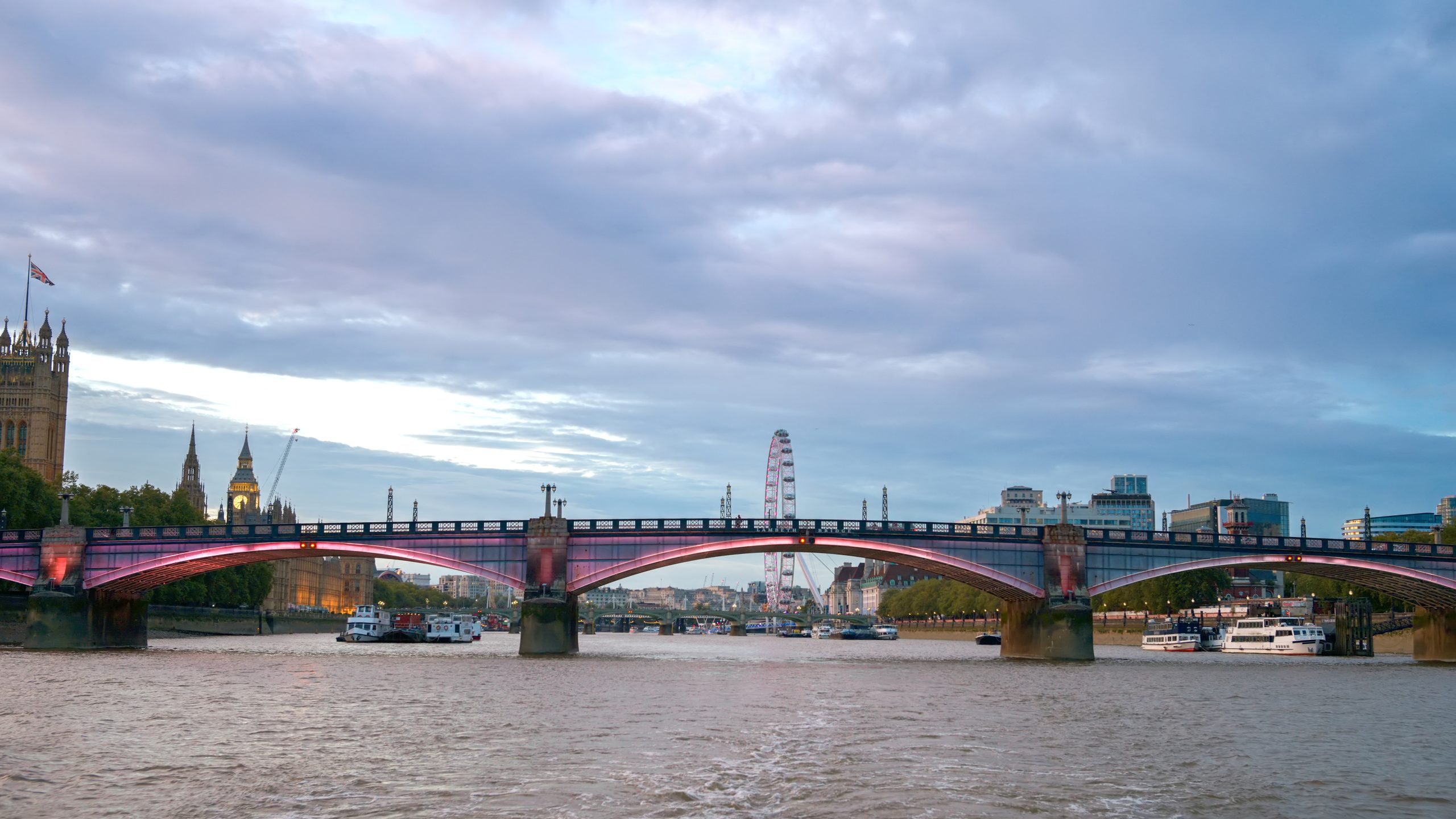
Thames Water profits have become the defining story of the UK business landscape this week, reshaping conversations on corporate stability, regulation, and long-term investment. While the utility giant reports a remarkable financial rebound, its broader operational risks echo across industries undergoing rapid transformation. From luxury fashion acquisitions to aviation challenges, today’s business environment shows both opportunity and instability.
Thames Water Profits and Rising Pressures in Utilities
The latest report shows Thames Water profits climbing to £386 million in pre-tax earnings for the half-year ending September. This dramatic rebound from last year’s £230 million loss stems largely from regulated price increases and tighter cost management.
Yet the financial glow masks deeper structural concerns. With £17 billion in net debt accumulated since privatization, the company faces mounting questions about long-term viability. Industry regulators have warned of “material uncertainty,” and without new lender intervention, the possibility of entering special administration looms.
CEO Chris Weston emphasized operational improvements pollution incidents down 20% and stable leakage rates despite a challenging summer. Still, customer complaints rose sharply following bill increases, signaling that public trust remains fragile.
Readers seeking regulatory context can explore more at Ofwat’s official site.
Thames Water Profits in Context: Luxury Fashion’s Bold M&A Moves
Beyond utilities, the global fashion sector delivered its own headline: Prada’s acquisition of Versace for $1.4 billion. While Thames Water profits highlight domestic utility challenges, this luxury deal showcases aggressive expansion in global retail.
The acquisition adds Versace to Prada’s growing house, alongside Miu Miu and Church’s, strengthening its position against powerhouses like LVMH. Versace’s valuation half of its 2018 purchase price makes the move a strategic bargain.
Donatella Versace’s departure earlier this year marks a symbolic shift for the brand. As the industry faces slower luxury spending, consolidation becomes a survival strategy. Outbound insights on major fashion mergers can be found through Vogue’s coverage.
Thames Water Profits Reflected in Industrial Restructuring Trends
Industrial players are also redefining strategy. Smiths Group sold its security detection division to CVC Capital Partners for £2 billion, narrowing its focus to high-performance engineering components used in energy, pharmaceuticals, and infrastructure.
This sale mirrors broader market trends seen in Thames Water profits discussions: companies trimming complexity to stabilize long-term growth. While shares rose 1.7% after the announcement, the transition may create uncertainty for workers in the detection unit. The restructuring continues a pattern following divestments in medical devices (2021) and interconnect systems (2024).
Thames Water Profits vs. Automotive Shake ups at JLR
Automotive design saw unexpected drama when Jaguar Land Rover removed acclaimed designer Gerry McGovern. Known for reshaping the Land Rover brand and elevating the Defender, McGovern’s departure reportedly abrupt follows controversy over last year’s minimalist advertising campaign.
As JLR pivots toward electrification, leadership and creative direction are under scrutiny. While Thames Water profits reflect financial revival, JLR’s shake-up signals cultural and strategic uncertainty. New CEO PB Balaji aims to reset the brand as part of Tata Motors’ global transformation effort.
Thames Water Profits Parallel Stability Moves in Banking
Leadership stability became the focus in UK banking as HSBC confirmed Brendan Nelson as chair. With decades of experience spanning BP, KPMG, and NatWest, Nelson’s appointment reassures investors during a strategic realignment emphasizing Asian markets.
The bank noted that Nelson’s role is transitional, with a long-term successor search already underway. In contrast with volatile sectors, this move offers steadiness a theme increasingly relevant as markets absorb the ripple effects of Thames Water profits and similar financial shifts.
Thames Water Profits Amid Aviation Supply Chain Hurdles
Airbus reduced its aircraft delivery targets for 2025, dropping estimates from 820 to around 790 units. Manufacturing delays stem from structural defects in A320 fuselage panels and recent software issues impacting solar array systems.
Although most repairs were swiftly addressed, the backlog underscores the fragility of global aerospace supply chains. While Thames Water profits emphasize debt-driven operational risks, Airbus highlights engineering and logistics vulnerabilities affecting international travel timelines and airline cost structures.
Thames Water Profits as a Marker of Broader Economic Dynamics
Across sectors utilities, luxury fashion, manufacturing, banking, and aviation one pattern stands out: resilience intertwined with risk. Thames Water profits demonstrate short-term recovery yet reveal long-term instability. Similarly, Prada’s acquisition shows bold expansion amid market uncertainty, Smiths Group’s restructuring reflects strategic refocusing, and JLR’s creative overhaul exemplifies internal transformation.
These stories remind investors and consumers alike that financial success rarely tells the whole story. Structural efficiency, regulatory compliance, creative leadership, and operational strength matter just as much and often determine the sustainability of profits.
For related updates and internal references, readers can explore:
Thames Water fined £123m for environmental violations
Thames Water Profits: What to Watch Next
As negotiations continue between Thames Water and its lenders, the upcoming months may determine whether the company restructures privately or enters government supervision. Investors should monitor:
-
debt refinancing developments
-
regulatory responses from Ofwat
-
long-term infrastructure investment strategies
-
customer rate adjustments amid cost-of-living pressures
Thames Water profits may climb again, but financial resilience not temporary earnings will determine the company’s future.