The Iran war costs are rapidly reshaping the UK economy, pushing businesses to raise prices while global markets react with uncertainty. From fuel stations to mortgage lenders, the ripple effects are being felt across households and industries alike. As inflation pressures rise again, both consumers and investors face a challenging period ahead.
Iran War Costs Force UK Firms to Raise Prices
The surge in Iran war costs has triggered immediate action from UK businesses. Companies are now increasing prices to offset higher expenses tied to energy, logistics, and raw materials.
A leading household goods manufacturer recently notified customers about temporary surcharges. These increases reflect the sharp rise in production costs caused by supply disruptions linked to the Middle East conflict.
Factory input costs have climbed at their fastest rate in over three decades. This trend signals a broader shift across industries, where businesses are passing expenses directly to consumers. If the conflict continues, shortages and further price hikes could follow.
Iran War Costs Push Fuel Prices to Record Highs
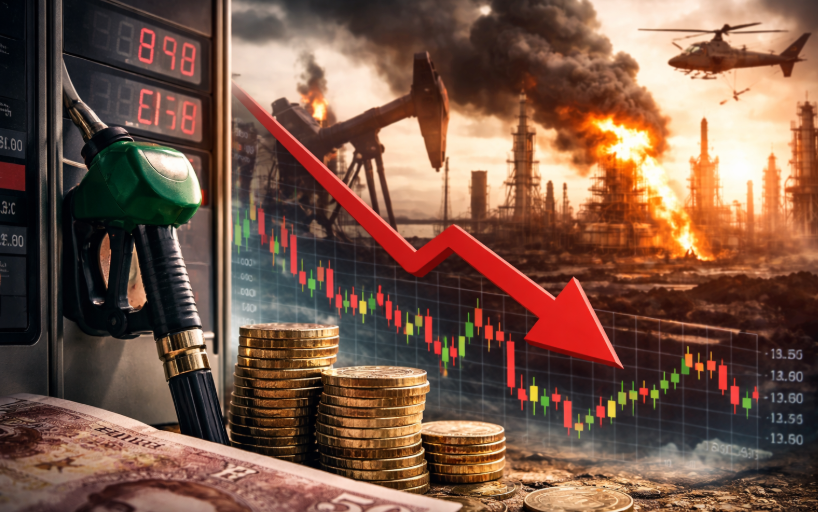
Fuel prices are one of the most visible impacts of Iran war costs. Petrol prices surged by 20 pence per litre in just one month, while diesel jumped by 40 pence surpassing levels seen during the Ukraine war.
With nearly 80% of UK households relying on cars, the pressure on daily budgets is intense. Every trip to the pump now comes with a noticeable financial hit.
Mortgage Pressure on Households
Beyond fuel, Iran war costs are also impacting housing. Mortgage rates have climbed sharply, adding another layer of financial strain.
Two-year fixed mortgage deals have risen by around 1%, while five-year options increased by nearly 0.8%. At the same time, available mortgage products have dropped significantly, limiting consumer choice.
For a typical £250,000 mortgage, monthly repayments have increased by roughly £150. This marks one of the most significant housing cost shocks since recent financial instability periods. Iran War Rates Impact UK Economy and Households Now
The Bank of England may now reconsider its approach to interest rates as inflation risks rise again.
Iran War Costs Trigger Global Market Reactions
The global response to Iran war costs has been swift and volatile. Comments from Donald Trump about the conflict intensified uncertainty across financial markets.
Oil prices jumped 6% immediately after his remarks, pushing Brent crude above $107 per barrel. Currency markets also reacted, with the US dollar strengthening against the British pound.
European stock markets slid, reflecting investor concerns about prolonged instability. Asian markets followed, with Japan’s Nikkei index dropping over 2%. Trump Iran Tensions Shake Global Markets and Oil
Iran War Costs Impact Food Prices and Supply Chains
The influence of Iran war costs extends beyond energy into food and supply chains. Experts predict food prices could rise by nearly 10% by the end of the year.
Factories are facing longer delivery delays, while raw material shortages are becoming more common. These disruptions increase production timelines and costs, further driving inflation.
Internal analysis on UK inflation trends can be found here: UK Inflation Falls: Rates, Costs, and UK Economy Outlook Guide.
Iran War Costs Create Long-Term Economic Uncertainty
One of the most concerning aspects of Iran war costs is the long-term uncertainty they bring. Businesses are delaying hiring decisions, while consumers are cutting back on spending.
Economic growth is slowing just as inflation risks increase a difficult combination for policymakers. The government is exploring consumer protection measures, including new subscription rules to help households manage expenses.
However, the core issue remains unchanged: supply chain disruptions and high energy costs continue to drive economic pressure.
Iran War Costs Affect Everyday Life Across the UK
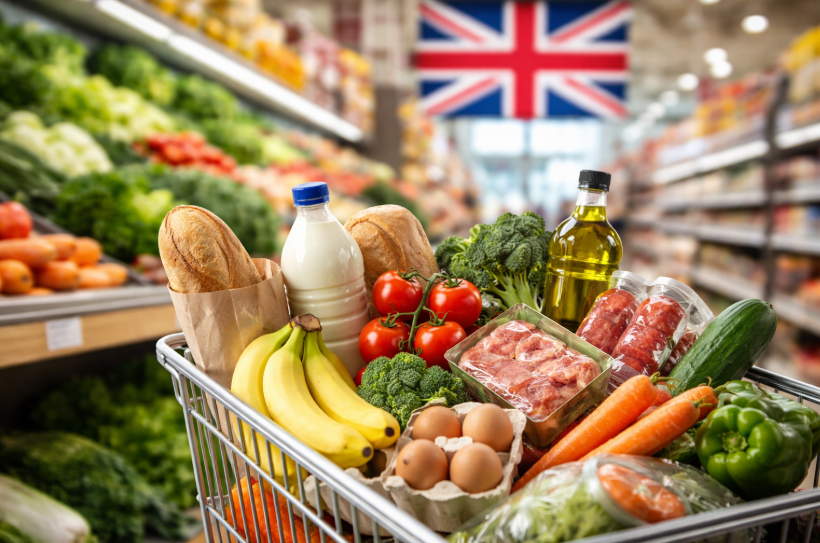
The widespread impact of Iran war costs is now evident in daily life. From grocery bills to commuting expenses, households are adjusting their spending habits.
Retailers are noticing shifts in consumer behavior, with more people prioritizing essentials over discretionary purchases. Businesses, meanwhile, are navigating tighter margins and uncertain demand. Oil Market Rally Drives Stocks Higher on War Hope
Iran War Costs and the Future Outlook
Looking ahead, the trajectory of Iran war costs will depend heavily on how long the conflict persists. If oil prices remain above $100 per barrel, further inflation is likely.
A weaker pound could also increase import costs, making everyday goods more expensive. Analysts warn that prolonged instability could deepen economic challenges across Europe.
Conclusion
In summary, Iran war costs are at the center of a rapidly evolving economic situation. They are driving price increases, fueling inflation, and shaking global markets.
Consumers are becoming more cautious, while businesses are adapting to rising expenses. The coming months will be critical in determining whether these pressures ease or intensify.
Staying informed is essential. From fuel prices to mortgage rates, the effects of global conflict are now deeply connected to everyday financial decisions.