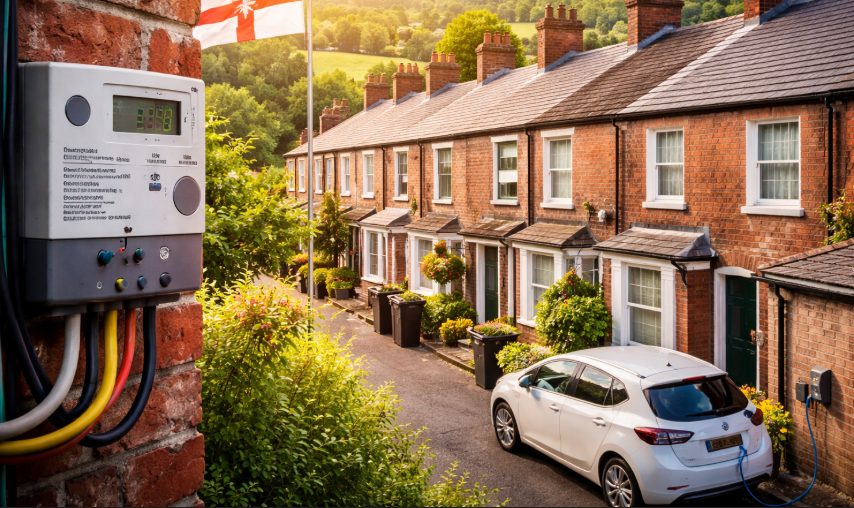
Many households in Northern Ireland will soon see their Electricity Bills Drop under a new UK energy scheme. The government introduced the plan to lower electricity costs and support families facing high living expenses.
Energy bills remain one of the largest monthly costs for most households. Many families currently spend around £1,000 each year on electricity. Even a small saving can help households manage their budgets better.
The government announced the measure during the November 2025 budget. Officials removed some electricity policy charges to reduce consumer costs. These changes will allow energy suppliers to pass savings directly to households.
Although the reduction in Northern Ireland is smaller than in Great Britain, the scheme still provides useful support for many families.
How Electricity Bills Drop Under the UK Energy Plan
The new policy reduces electricity system charges that appear on consumer bills. These charges previously funded renewable energy programs and system upgrades.
When the government removed these costs, suppliers gained room to reduce customer bills. In Great Britain, this change will save households about £150 each year.
Northern Ireland households will receive a smaller benefit. Local electricity rules differ from those used in Great Britain. UK Energy Bills Update: Price Cap Cuts and Savings Guide 2026.
Still, the change means many families will notice an Electricity Bills Drop of about £30 each year. The savings will appear automatically on electricity statements once the scheme starts.
Why Electricity Bills Drop Less in Northern Ireland
Northern Ireland runs its electricity market differently from the rest of the UK. The region participates in the Single Electricity Market (SEM) with the Republic of Ireland.
Great Britain operates under one national electricity market. This system includes policy charges that Northern Ireland does not apply in the same way.
Because fewer charges existed in Northern Ireland, the government could remove only a portion of them. This explains why the Electricity Bills Drop equals £30 instead of £150.
Energy analysts say the regional system offers stability and cross-border supply benefits. However, policy changes sometimes produce different financial outcomes for consumers.
When Electricity Bills Drop for Northern Ireland Households
The government must first pass legislation before suppliers apply the new savings. Officials in Westminster started this process shortly after the budget announcement.
Lawmakers aim to complete the legal changes before the end of summer. After approval, electricity suppliers will adjust their billing systems.
Experts expect households could see the Electricity Bills Drop either late this year or early next year.
The savings will appear automatically on electricity bills. Consumers will not need to submit applications or complete forms.
For official updates, visit:
These organisations provide reliable information about the rollout timeline.
Electricity Bills Drop Sparks Mixed Political Reactions
Political leaders across Northern Ireland responded quickly to the announcement. Some welcomed the policy and said it offers important help to households.
Others believe the savings should be larger and delivered sooner. Several politicians urged the government to speed up the legislative process.
During recent discussions at Stormont, lawmakers asked officials about the rollout timeline. Civil servants explained that technical and regulatory steps still require completion.
Despite criticism, regulators continue working with energy suppliers. Their goal remains clear. They want every household to receive the Electricity Bills Drop as quickly as possible.
How Electricity Bills Drop Helps Household Budgets
A £30 yearly saving may appear modest at first glance. However, small reductions can still ease financial pressure for many families.
Households must manage rising food prices, transport costs, and housing expenses. Energy savings help families balance these costs.
When combined with simple energy habits, the savings may grow further. Turning off unused lights or reducing heating time can lower electricity use.
Consumers can also explore energy-saving advice from the
Energy Saving Trust.
Better energy efficiency can help households reduce electricity spending throughout the year.
What Happens Next as Electricity Bills Drop Begins
The next stage focuses on finalizing legislation and updating billing systems. Energy suppliers will adjust their systems once the law takes effect.
After implementation, customers should see the savings clearly listed on their electricity bills. The reduction may appear as a credit or reduced charge.
Households should check their future statements to confirm the adjustment appears correctly. If any issues arise, consumers should contact their electricity supplier first.
Regulators will monitor the rollout to ensure suppliers apply the policy correctly.
Why Electricity Bills Drop Matters Now
Energy affordability remains a major concern across Northern Ireland. Global energy markets have created price uncertainty during recent years.
Government policies that reduce electricity costs can help households manage these challenges.
The upcoming Electricity Bills Drop offers a small but meaningful step toward lower energy costs. It also shows policymakers continue searching for ways to improve electricity affordability.
As the policy moves forward, households should stay informed through official updates and trusted energy resources.
For many families, even a modest reduction provides welcome financial relief.

I’m an Online Media & PR Strategist at BusinessFits, passionate about digital storytelling and media impact. As a journalist, blogger, and SEO specialist, I create content that connects, informs, and ranks.