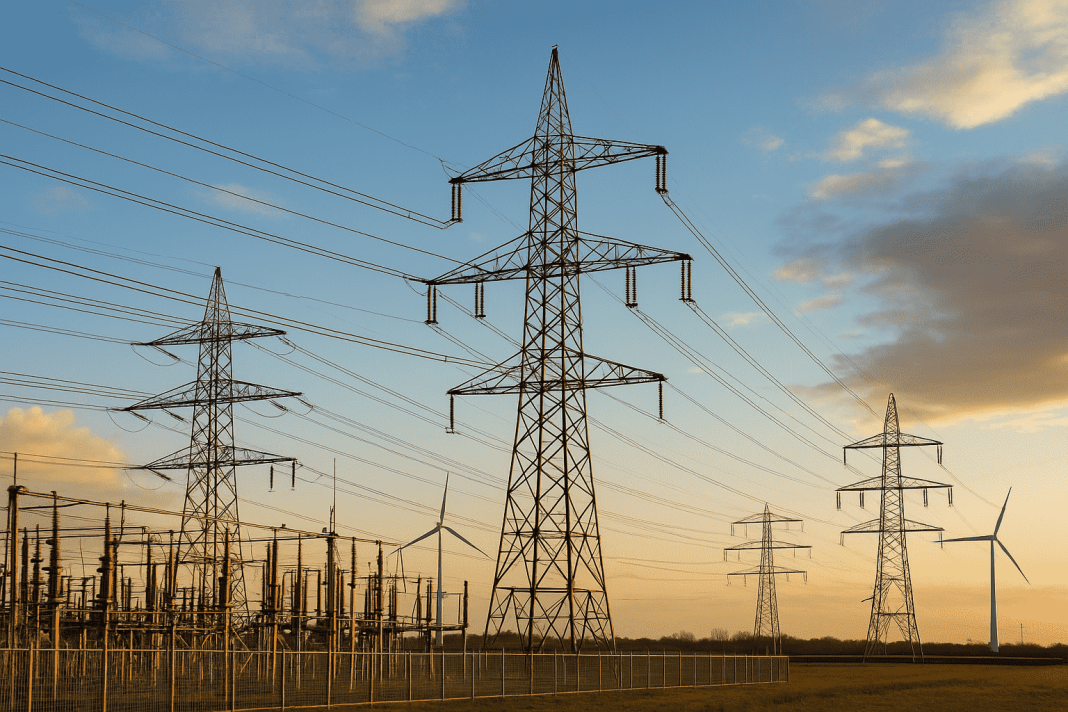
The UK grid upgrade is now at the center of national energy discussions, appearing as both a necessary investment and a concern for households already watching budgets closely. With regulators approving a massive £28 billion plan to modernize the network, families want to know what it means for monthly expenses, long term savings, and the nation’s clean-energy goals. The UK grid upgrade aims to secure power supplies, reduce gas dependence, and expand renewable capacity but not without short-term financial adjustments.
Why the UK Grid Upgrade Matters for Energy Security
Energy security is the leading driver behind the UK grid upgrade, especially after recent years of price volatility triggered by global gas shocks. The UK still imports too much gas, leaving households exposed to unpredictable market spikes. Modernizing the network solves multiple problems at once: it expands capacity for offshore wind, solar, and emerging green technologies; reduces waste from constrained renewable output; and ensures homes and businesses receive power even during extreme weather or supply disruptions.
Industry leaders call this the most significant infrastructure transformation since the 1950s. As new transmission lines open pathways for renewable growth, the UK grid upgrade becomes the backbone of the nation’s clean power future.
Breaking Down the £28bn Budget Behind the UK Grid Upgrade
Ofgem has approved a comprehensive funding package totaling £28 billion over five years starting in 2026. The spending structure includes:
-
£17.8 billion for gas network reinforcement
-
£10.3 billion for high-voltage electricity infrastructure
-
A £24 billion increase from the initial regulatory proposal
These funds go to regulated transmission companies not energy suppliers ensuring the pipes and wires that deliver power remain safe, modern, and ready for future demand. For an official breakdown of the spending framework, read Ofgem’s summary.
Understanding energy bill components.
Ofgem: Transmission policy overview
This massive investment lays the physical groundwork required to support green industries, electric vehicles, modern heating systems, and the country’s 2035 clean-power targets.
How the UK Grid Upgrade Affects Household Bills
Households will shoulder a portion of the UK grid upgrade cost through phased energy bill increases. By 2031, the average home is expected to pay around £108 more annually, split between:
-
£48 attributed to gas grid enhancements
-
£60 linked to electricity upgrades
However, this upfront increase is largely offset by long-term energy savings. Expanded renewable capacity and reduced reliance on imported gas are projected to save about £80 per household, resulting in a net increase of roughly £30 per year.
Bills will rise gradually rather than all at once. The first noticeable increase is expected next April, around 2–3%, with steady but modest rises across the following years. While some families will feel the strain, the long-term financial and environmental payoff is designed to outweigh the short-term discomfort.
Do the Benefits of the UK Grid Upgrade Outweigh the Costs?
Supporters argue that the UK grid upgrade delivers far greater benefits than costs. Key advantages include:
-
Stable long-term pricing due to reduced exposure to global gas turbulence
-
Maximized renewable output, enabling offshore wind farms to deliver power without curtailment
-
Lower carbon emissions through expanded clean-energy access
-
Economic growth and job creation, especially in engineering, construction, and green technology sectors
Businesses also stand to gain from enhanced reliability. Factories, tech hubs, and transport networks all depend on smooth electrical flow something only a modern, flexible grid can guarantee.
For more about renewable energy expansion see.
Supporters and Critics of the UK Grid Upgrade
Criticism of the UK grid upgrade focuses on transparency, fairness, and environmental alignment. Groups like Greenpeace argue that without strict oversight, funds may reinforce outdated gas systems instead of prioritizing clean energy pathways. They call for robust safeguards and public accountability.
Regulators, however, insist that companies will be closely monitored, with penalties for cost overruns or missed deadlines. The government backs the programme, noting that decades of underinvestment have led to grid bottlenecks, renewable wastage, and price instability.
This tug-of-war reflects a broader debate: how to balance immediate affordability with long-term sustainability.
Timeline
The rollout of the UK grid upgrade will unfold in phases:
-
2026: Initial maintenance and priority repairs across gas networks
-
2027–2029: Acceleration of electricity transmission projects
-
By 2028: New high-capacity lines connecting rural wind zones to urban centers
-
2031: Full consumer impact realized, along with measurable renewable-integration benefits
Consumers should watch for annual updates, April bill adjustments, and progress reports from Ofgem and transmission operators. Delays could slow the benefits, while faster deployment may unlock early savings.
Long Term Economic and Environmental Wins of the UK Grid Upgrade
When evaluating the UK grid upgrade, long-term advantages stand out. Stronger infrastructure boosts resilience against storms, cyberattacks, and supply disruptions. Expanding renewable capacity also reduces dependency on volatile international markets.
Additional advantages include:
-
Thousands of green jobs in engineering, digital monitoring, planning, and construction
-
New investment opportunities in battery storage and hydrogen systems
-
Lower cumulative emissions supporting the UK’s net-zero trajectory
These benefits make the UK grid upgrade not just an expense but a national investment in future affordability and independence.
Funding Fairness
Several experts argue for a more balanced approach to paying for the UK grid upgrade. Suggested reforms include:
-
Shifting some costs to corporate polluters rather than households
-
Streamlining planning and permitting, reducing total infrastructure costs
-
Revisiting green levy placement to ensure fair distribution across income levels
Regulators have committed to mid plan reviews, inviting public input to ensure evolving needs and concerns are addressed.
The UK Grid Upgrade as a Path to a Cleaner Future
The UK grid upgrade marks a turning point in Britain’s energy journey. While it brings near term bill increases, it also promises long-lasting gains greater security, cleaner air, expanded renewable integration, and a more stable pricing environment. Households should prepare for modest cost increases but remain aware of the long term advantages that will shape the nation’s energy landscape for decades.
As the plan unfolds, public engagement and oversight will be essential. A modern, resilient, renewable ready grid is within reach and the UK grid upgrade is the foundation.

I’m an Online Media & PR Strategist at BusinessFits, passionate about digital storytelling and media impact. As a journalist, blogger, and SEO specialist, I create content that connects, informs, and ranks.